Hamilton, ON
Ontario’s university towns have long been centers of learning, but they’ve also evolved into desirable places to live. Each of these seven communities brings its own version of sophistication, shaped by setting, history, and pace of life.
1. London
Anchored by Western University, London’s downtown core has undergone a quiet transformation, with new restaurants, galleries, and performance venues. And institutions like Museum London and the Grand Theatre continue to anchor the arts scene. Established neighborhoods such as Old North and Woodfield remain the city’s architectural heart, and their tree-lined streets are lined with century homes that blend original craftsmanship with thoughtful updates. Many properties back onto the Thames River or its network of green corridors, giving London’s historic districts a sense of openness unusual for a city of its size.
SUBSCRIBE TO THE HAVEN MAILING LIST
Curated homes, market intelligence and design stories — a few emails a month.
No spam. Unsubscribe any time.
2. Kingston
Kingston’s position on Lake Ontario, together with the prestige of Queen’s University, creates an unusually balanced lifestyle — equal parts academic, historic, and cosmopolitan. The limestone architecture of its downtown, the presence of Fort Henry, and the waterfront trail give the city a distinct identity. Heritage homes near the lake and on the city’s older streets attract buyers who value craftsmanship and walkability. With its thriving arts institutions and compact waterfront, Kingston remains one of Ontario’s most quietly elegant markets.
3. Guelph
The University of Guelph gives this city both an intellectual anchor and an emphasis on sustainability that extends to its housing market. Downtown renewal has been thoughtful rather than rushed, preserving character buildings while introducing contemporary mixed-use spaces. Luxury here often takes the form of modern builds with efficient design and a light footprint — homes that value proportion, materials, and livability over size alone.
4. Waterloo
The presence of the University of Waterloo and Wilfrid Laurier University has reshaped Waterloo into one of Canada’s technology capitals. That influence shows in the housing market: sleek townhomes, smart home features, and minimalist interiors reflect a culture attuned to design and efficiency. Luxury in Waterloo feels current and understated — oriented toward connectivity, clean architecture, and proximity to innovation hubs. With new transit links and a maturing food and arts scene, it’s a city that balances progress with comfort.
5. Hamilton
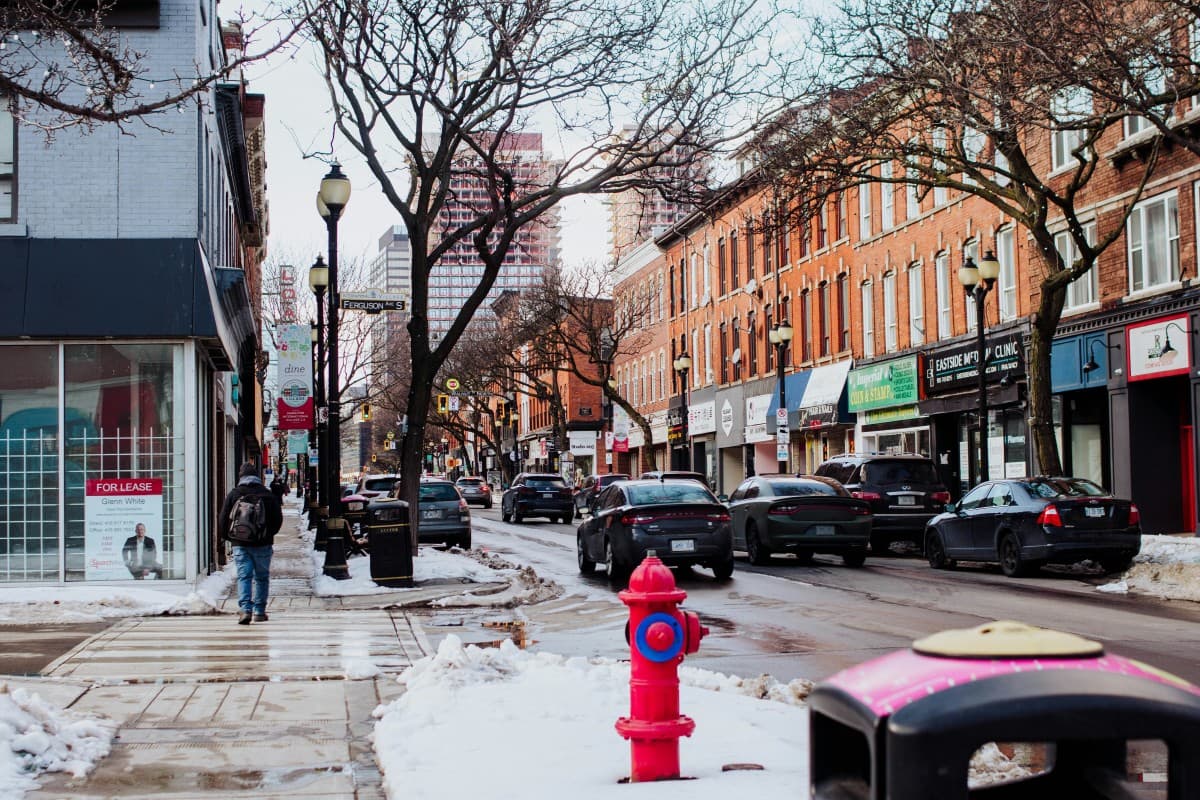
McMaster University’s long-standing presence continues to influence Hamilton’s west end, helping sustain a steady population of professionals, academics, and investors who value the city’s mix of heritage and renewal. Former industrial buildings have been repurposed into studios, offices, and loft-style residences, particularly in districts near the downtown core. Established neighborhoods such as Durand, Kirkendall, and Strathcona remain sought after for their brick architecture, mature trees, and proximity to parks and transit.
6. Oshawa
Oshawa, home to Ontario Tech University, has entered a new phase of reinvention that goes well beyond its commuter roots. There has been investment in the city’s waterfront—anchored by redeveloped parkland, mixed-use projects, and improved lake access. Downtown renewal efforts are introducing restaurants and a modest but growing arts presence, while mature neighborhoods such as North Oshawa and Centennial retain spacious properties and established tree cover. Larger custom homes and modern infill builds are beginning to define the city’s upper tier, appealing to professionals seeking value and access within reach of the GTA.
7. Windsor
The University of Windsor gives this southern Ontario city an international dimension. Its proximity to Detroit brings cross-border energy — cultural, economic, and architectural. Along Riverside Drive, substantial homes overlook the Detroit River, many blending period architecture with modern interiors. Historic districts like Walkerville add depth, with tree-lined streets and a sense of permanence.