Discover why U.S. motels are discreetly offering solid returns. Learn to find, finance, & operate these hospitality assets for profit in today’s road trip revival. Your expert playbook starts here!
Most people, when picturing real estate investment, imagine apartment towers, glass offices, or minimalist short-term rentals. Motels seldom enter that frame. Yet those small, often timeworn buildings perched by highways or lingering on the edge of small towns continue to earn steadily. Beneath their fading neon and dated brickwork lies a kind of property that trades glamor for endurance—a quiet, cash-flowing corner of hospitality that never quite went away.
This reflection examines how motel properties, with an expanding active inventory, once overlooked, are finding relevance again as travel habits shift and investors rediscover the strength of modest assets within the commercial real estate sphere.
The Subtle Return of a Roadside Classic
A convergence of forces—economic uncertainty, flexible travel habits, and a renewed affection for driving—has nudged motels back into the conversation. Their appeal lies in understatement. Low operating costs, manageable staffing, and adaptable layouts make them surprisingly resistant to downturns. They are hospitality assets, capable of consistent cash flow and gradual appreciation, rather than speculative bursts of value.
SUBSCRIBE TO THE HAVEN MAILING LIST
Curated homes, market intelligence and design stories — a few emails a month.
No spam. Unsubscribe any time.
The Road Trip Resurfaces
The American road trip, long a relic of postcards and old movies, has quietly reclaimed modern ground. Families, couples, and solo travelers are again choosing the car over the plane, retracing routes that airports bypass. Data from AAA still shows car travel dominating domestic trips, keeping demand high for overnight stops that promise comfort and ease rather than spectacle.
For such travelers, the right stay is simple: clean rooms, quick access, maybe a glimpse of local personality. The result is steady occupancy for motels clustered near regional attractions or along well-traveled routes, where predictability and familiarity still matter.
The Beauty of the Ordinary
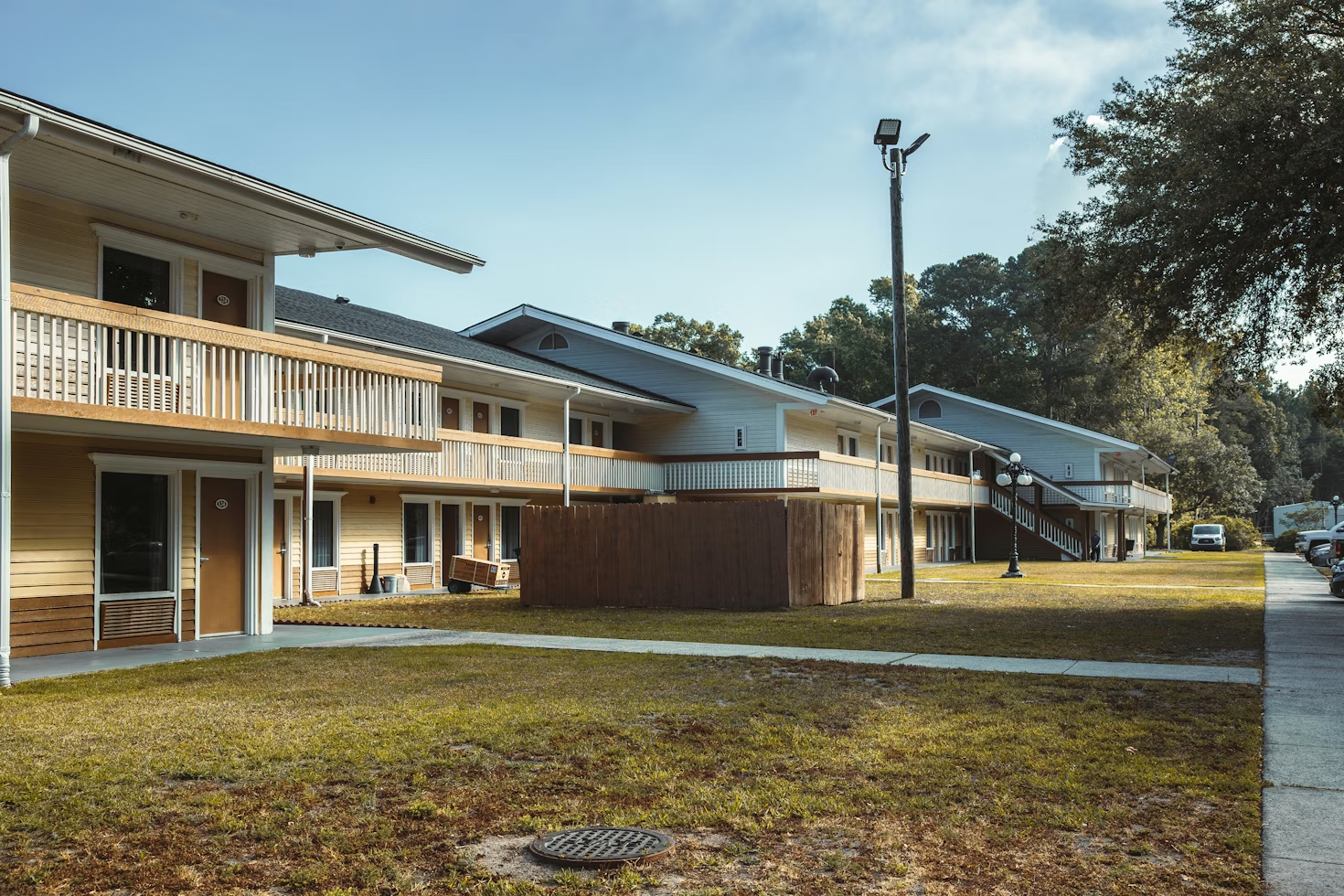
Many motels built in the 1950s and 60s remain standing, their bones intact even if their paint is not. They often sit on valuable plots—visible, accessible, and long amortized. What they lack in polish, they make up for in potential. A modest renovation, improved lighting, or a reimagined sign can transform a neglected stopover into something quietly inviting.
Modern guests respond to honesty more than polish. When a property incorporates local character—art from nearby makers, materials from regional suppliers—it becomes memorable. This isn’t luxury; it’s deliberate care. Each targeted upgrade nudges profit upward, proving how existing real estate assets can regain value through intention rather than extravagance.
The Independent Edge
Franchised hotels offer reliability but surrender individuality. Independent motels, free from brand rules and national fees, often develop stronger personality. They echo their setting—the desert’s calm, a coastal breeze, the warmth of a familiar front-desk smile. Their independence keeps costs lean and margins wider, especially for operators who prioritize guest satisfaction and community connection. In an era that prizes authenticity and affordability, that balance becomes an advantage.
Reading the Motel Landscape
No two motels are the same. The spectrum runs from plain roadside rooms to reinvented boutique getaways, which allows investors to choose how deeply they wish to engage—stable income or hands-on revival.
From Relic to Revival
Some family-run motels remain profitable but tired, needing efficiency more than reinvention. Others beg for transformation: sturdy structures waiting for modern systems, better booking tools, and visual coherence. Often, the hurdle is perception rather than substance. Dated interiors and aging signage hide solid fundamentals. Once refreshed—with lighter materials, digital accessibility, and restrained design—these buildings can rival boutique hotels while preserving their approachable spirit.
Developers familiar with adaptive reuse in the hospitality sector have turned nostalgia into strategy, balancing retro character with modern ease. Instead of erasing history, they reinterpret it—reviving a 1960s form of comfort for a generation that values story over gloss.
Strategy in Two Paths
Investment approaches usually divide cleanly. Turnkey motels—already upgraded and stable—deliver immediate revenue with lower short-term risk. They appeal to those seeking predictable entry points into hospitality ownership. The second path, value-add projects, invites deeper work: renovation, repositioning, and managerial overhaul. The reward is typically stronger and more durable.
Industry anecdotes tell of crumbling inns revived through patience—repairs, management change, and rebranding—only to outperform more polished properties in long-term return on investment (ROI). In commercial real estate, such stories reinforce a pattern: effort multiplies outcome.
Motels occupy a peculiar middle ground—too humble for glamor-driven investors, too tactile for the purely passive. That middle is their shelter. Their modest structure, predictable demand, and bond with the open road lend them a rare steadiness in an unpredictable market.
They remain, in essence, small places of passage that endure through care rather than scale, proving that consistency—night after night, traveler after traveler—can still be a form of quiet success.