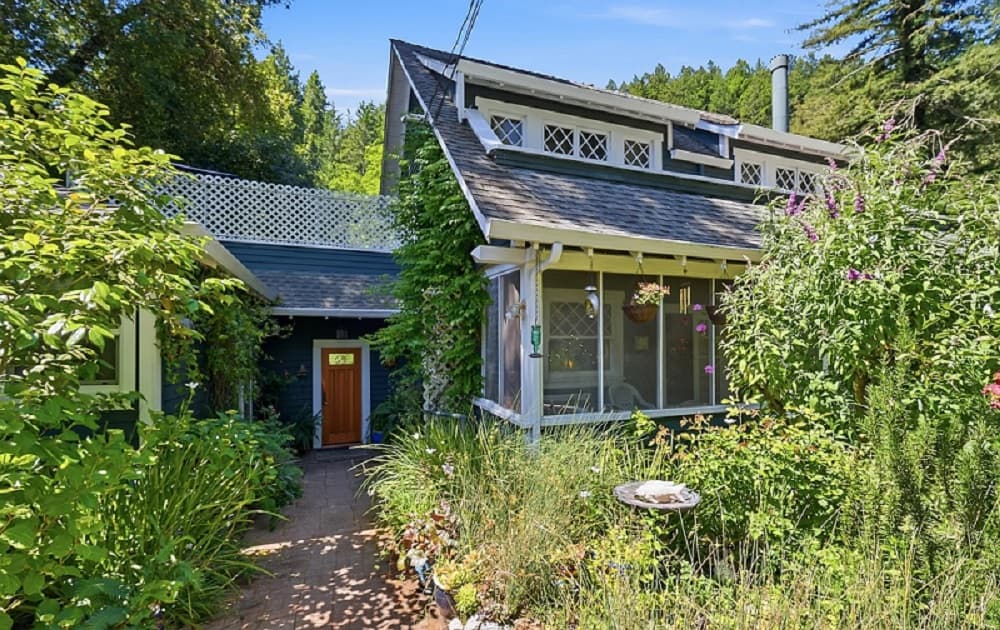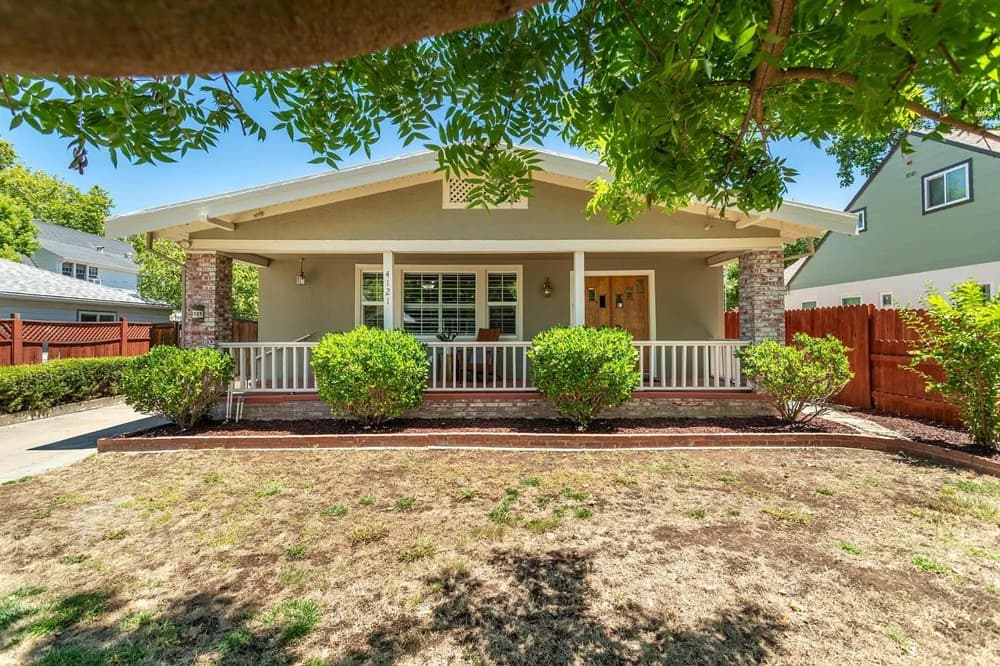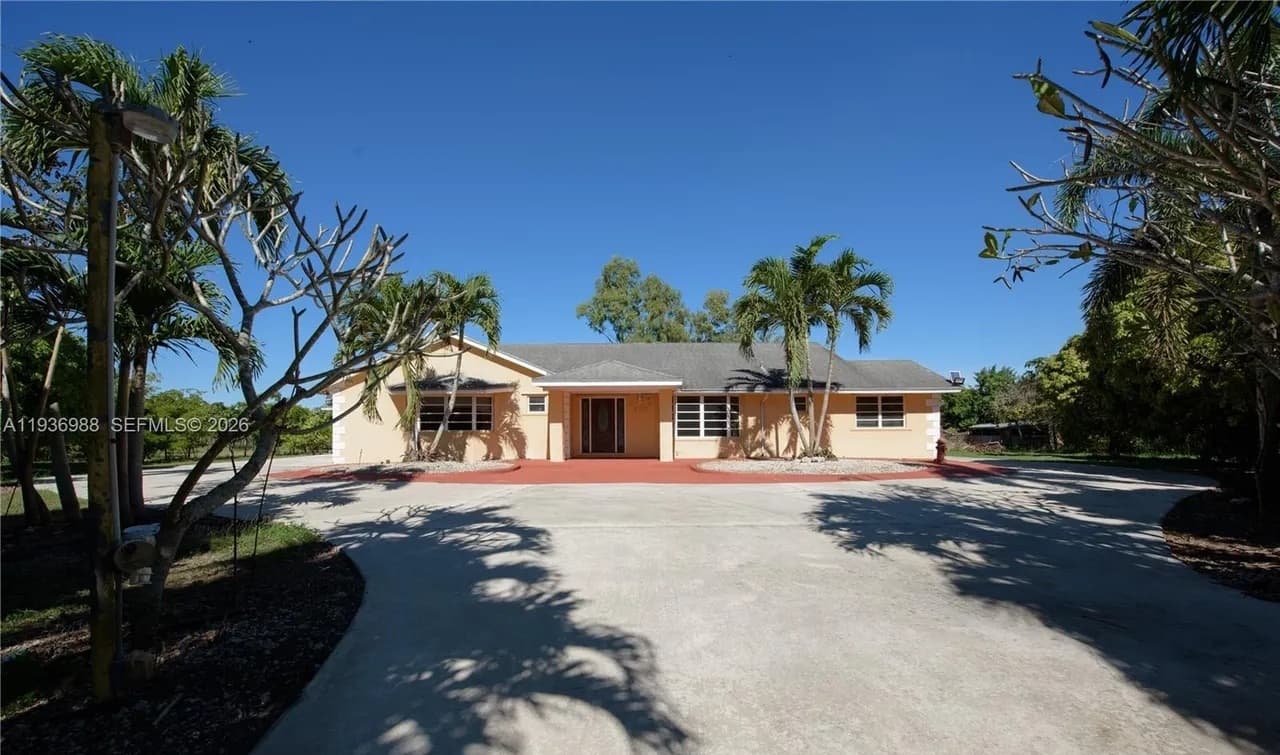


Calgary, AB
Canada’s housing market is entering 2026 in a calmer, more watchful mode—less defined by sudden swings and more by buyers and sellers adjusting to a new baseline. According to the Canadian Real Estate Association (CREA), national home sales slipped 2.7% month-over-month in December 2025, and were 4.5% lower than December 2024 on a non-seasonally adjusted basis, closing the year on a quieter note after mid-2025’s rally.
That slowdown reads less like a single-market story and more like a broad December exhale. In CREA’s own framing, the month-over-month dip reflected coincident slowdowns in several major cities, and CREA said it expects activity to “move higher again” as the spring market approaches—an outlook rooted in the idea that demand has been building, not disappearing.

London, ON
Prices, meanwhile, continue to soften in a way that feels incremental rather than dramatic. According to CREA’s MLS® Home Price Index, the National Composite HPI fell 0.3% from November to December 2025 and sat 4.0% below December 2024, with CREA noting much of December’s overall softening came from Ontario’s Greater Golden Horseshoe region. CREA also reported the national average sale price was $673,335 in December 2025, essentially flat year-over-year (-0.1%).
SUBSCRIBE TO THE HAVEN MAILING LIST
Curated homes, market intelligence and design stories — a few emails a month.
No spam. Unsubscribe any time.
Supply conditions are also loosening, helping explain the market’s more balanced feel. According to CREA, new listings declined 2.0% month-over-month in December, while the national sales-to-new listings ratio eased to 52.3%, a level CREA characterizes as close to long-term norms. Active listings rose to 133,495 properties nationwide, up 7.4% year-over-year, and months of inventory increased to 4.5 months, reinforcing the sense that buyers are encountering more choice—and more negotiating room—than in prior years.

Québec, QC
Toronto is a good example of how 2025 ended with more negotiation in the air than urgency. According to the Toronto Regional Real Estate Board (TRREB), GTA home sales totaled 62,433 in 2025, down 11.2% from 2024 (reported by GTA REALTORS® via TRREB’s MLS® System) , while the annual average selling price fell 4.7% to $1,067,968—a reset that has made the market feel more “price-sensitive” than “panic-driven.”
Looking ahead, the baseline expectation for 2026 is improvement—but not a snap-back. According to CREA’s January 15, 2026 quarterly forecast, 494,512 residential properties are projected to trade hands via Canadian MLS® Systems in 2026 (a 5.1% increase from 2025), while the national average home price is forecast to rise 2.8% to $698,881. CREA also expects the lift in sales to be led largely by British Columbia and Ontario, where activity has “more room to recover.”
That “gradual recovery” theme shows up in bank outlooks, too. In TD Economics’ January 2026 Provincial Housing Market Outlook, TD describes a modest, pent-up-demand-supported recovery as likely in 2026, while warning that elevated uncertainty, a subdued job market, and a leveling-off in rates could restrain anything resembling a boom.
Rates remain the mood-setter. While housing doesn’t move in lockstep with the overnight rate, the Bank of Canada’s policy rate at 2.25% has helped pull borrowing costs off their highs, and a Reuters poll published January 26, 2026 found that a strong majority of economists expect the Bank of Canada to hold rates steady at its January 28 decision and through much of 2026, suggesting the “wait for a better rate” mindset may fade into “this is the range—plan accordingly.”

Montreal, QC
Taken together, the late-2025 data and early-2026 forecasts point to a market that’s re-learning balance: sales are still subdued, pricing is adjusting unevenly by region, and 2026’s upside is more likely to look like a steady thaw than a sudden surge. For buyers and sellers, the practical takeaway is the same—local conditions will matter more than national averages, and the best read on the market will come from watching inventory, price reductions, and days-on-market at the neighborhood level as spring approaches.