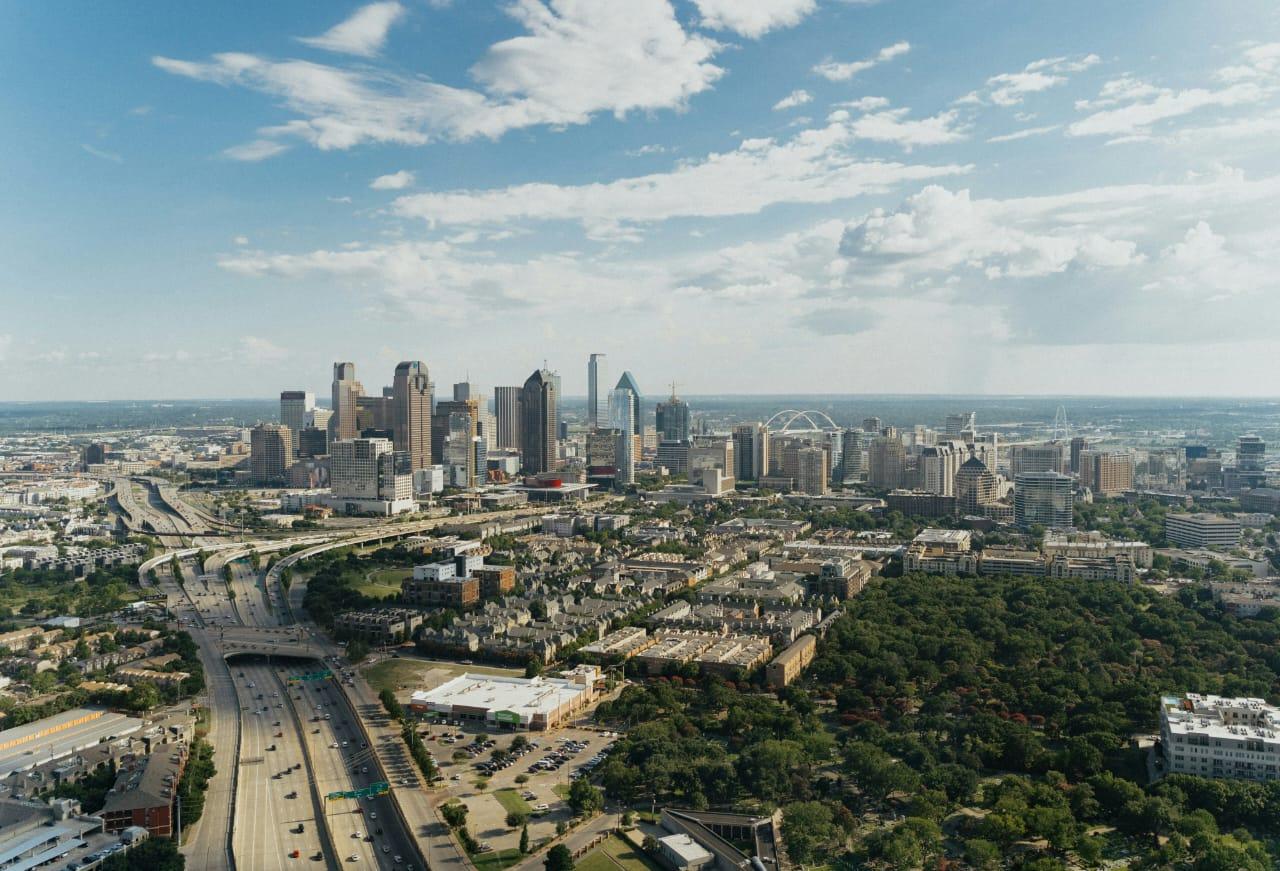
Dallas, TX
The Dallas-Fort Worth housing market is experiencing a notable shift this fall, offering homebuyers a landscape that looks markedly different from the frenzied conditions of recent years. After a period of rapid price appreciation and limited inventory, the region is settling into a more balanced market—one that presents both opportunities and considerations for those looking to purchase a home.
A Market Finding Its Balance
One of the most significant developments this fall is the increase in housing inventory across the DFW metroplex. After years of tight supply, inventory across the DFW metroplex has climbed to its highest level in more than a decade, giving buyers more breathing room than at any point since the early 2010s. This shift means homebuyers have more options to consider and less pressure to make rushed decisions. The days of frantic bidding wars and waived contingencies are giving way to a steadier pace of sales, as listings spend longer on the market and buyers have more time to weigh options.
Home prices have eased in response to the rising supply, with most areas seeing mild to moderate corrections depending on price point and property type. According to Zillow September data, the average home value in Dallas is $304,349, down 4.7% over the past year. While the market remains strong overall, prices have dipped slightly from their peaks, creating entry points for buyers who may have felt priced out in previous years. This price stabilization doesn’t signal a crash—rather, it reflects a healthier market dynamic where supply and demand are moving toward equilibrium.
SUBSCRIBE TO THE HAVEN MAILING LIST
Curated homes, market intelligence and design stories — a few emails a month.
No spam. Unsubscribe any time.
Interest Rates and Buyer Confidence
Mortgage rates have steadied this fall, generally hovering in the mid-6% range nationally, which has brought a measure of predictability for buyers after several years of volatility. This stability has helped restore confidence among potential buyers. While rates remain higher than the historic lows of 2020 and 2021, the steadiness provides predictability for those planning their home purchases. This allows buyers to budget more accurately and make informed decisions without the anxiety of rapidly fluctuating borrowing costs.
Regional Variations Worth Noting
The DFW market isn’t monolithic—different areas within the metroplex are experiencing distinct trends. McKinney has garnered national attention, ranked first of 300 cities in WalletHub’s list of America’s top real estate markets due to its abundance of newer homes, strong job market, and relatively affordable living costs. Zillow September data reports that average home value in McKinney stands at $484,679, which is roughly 5.5% lower than the previous year, demonstrating the price corrections occurring in even the most desirable markets.
Richardson has also performed well, attracting buyers seeking established neighborhoods with urban amenities. More generally, suburban markets remain resilient, especially in other rapidly growing areas of Collin and Denton counties.
WalletHub’s list also reveals that the city of Dallas proper has seen its market ranking slip from No. 59 in 2024 to No. 70 in 2025. Yet, the city remains a solid option for those prioritizing the urban lifestyle.
New Construction and Development Activity
New construction remains a significant factor in the DFW housing equation. Builders are offering incentives and deals to move inventory, which can translate to favorable terms for buyers willing to consider newly built homes. These incentives might include rate buydowns, upgraded finishes, or closing cost assistance—benefits that can meaningfully impact the overall cost of homeownership.
The region’s ongoing population growth continues to drive development, with new master-planned communities emerging in outlying areas. These developments often feature modern amenities, walkable designs, and proximity to employment centers, appealing to families and professionals relocating to the area.
What Homebuyers Should Consider
For those entering the market this fall, the environment offers what some experts are calling a “perfect storm” for buyers. The combination of increased inventory, stabilized mortgage rates, and modest price corrections creates conditions that favor buyers who are prepared and informed.
It’s also worth considering the broader economic context. DFW’s diverse economy, anchored by sectors including technology, healthcare, finance, and logistics, continues to attract corporate relocations and job seekers. This economic foundation supports housing demand even as the market adjusts from its previous highs.
The Dallas-Fort Worth housing market this fall presents a more approachable landscape than buyers have seen in several years. While it’s not a buyer’s market in the traditional sense, the increased balance between supply and demand creates space for thoughtful decisions rather than rushed compromises.