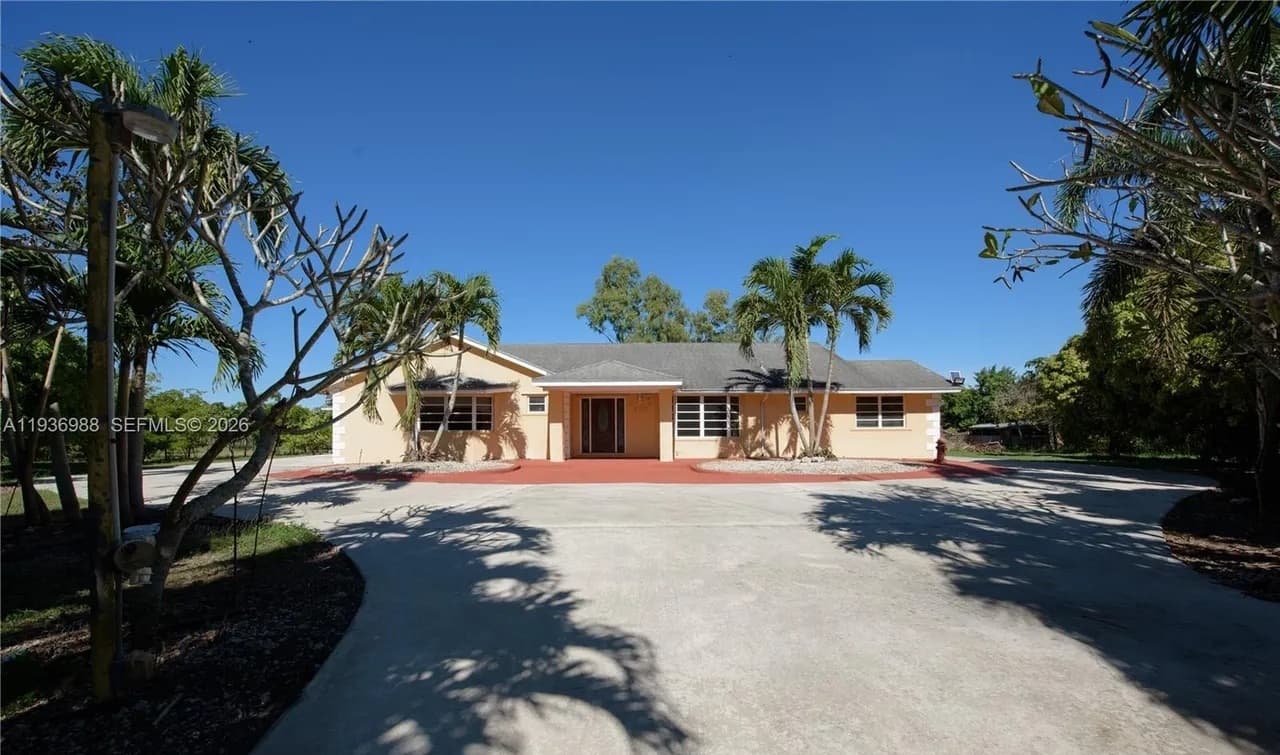

Niagara-on-the-Lake, ON
Luxury real estate in Ontario no longer centers solely on Toronto. Across the province, several regions are showing notable momentum at the top end—driven by lifestyle appeal, quality development, and sustained buyer confidence even as the broader market steadies. From lakeside estates to capital-city enclaves, these five markets stand out as the ones to watch heading into 2026.
1. Ottawa
Long considered a government town with steady, conservative growth, Ottawa has quietly evolved into one of Ontario’s most balanced luxury markets. Neighborhoods such as Rockcliffe Park, Westboro, and Manotick have seen renewed energy this year, with limited high-end inventory keeping values firm.
Ottawa’s luxury story is one of stability meeting sophistication: heritage homes blend with sleek new builds along the Rideau River, while infrastructure and cultural expansion continue to elevate quality of life. The city’s relative affordability compared with Toronto—and its steady base of professional and diplomatic buyers—have made it a reliable bright spot in Ontario’s late-2025 real-estate landscape.
SUBSCRIBE TO THE HAVEN MAILING LIST
Curated homes, market intelligence and design stories — a few emails a month.
No spam. Unsubscribe any time.
2. Niagara-on-the-Lake
Few places in Canada offer the mix of history, vineyards, and refined calm that Niagara-on-the-Lake delivers. Once primarily a seasonal retreat, it’s now a bona fide luxury community drawing full-time residents who prize privacy and scenery over city bustle.
This year, the area’s premium segment has shown remarkable resilience: renovated heritage estates, vineyard-adjacent builds, and lakefront homes remain in strong demand. The market’s charm lies in scale—there are only so many streets like Queen Street or waterfront lots overlooking the river—and that scarcity underpins long-term value. With a steady inflow of buyers from both the GTA and Northeastern U.S., Niagara-on-the-Lake remains a luxury market defined by restraint and refinement.
3. Collingwood & The Blue Mountains
Collingwood and The Blue Mountains have fully transitioned from vacation-home territory to a legitimate year-round luxury market. Currently, the region continues to attract buyers trading dense urban living for lifestyle and natural beauty.
Ski-in properties, waterfront chalets, and contemporary mountain homes have proven particularly resilient, supported by limited land availability and a maturing hospitality scene. Upscale restaurants, boutique fitness clubs, and expanding trail networks now cater to residents who treat this as their primary home. With steady migration from Toronto and year-round amenities, the region has secured its place among Ontario’s most desirable luxury destinations.
4. Prince Edward County
What began as an artists’ and vintners’ haven has evolved into one of Ontario’s most distinctive luxury markets. Prince Edward County’s premium properties—modern farmhouses, minimalist waterfront homes, and restored century estates—blend contemporary architecture with rural calm.
Buyers this year are drawn by its authenticity and design sensibility. Boutique wineries and fine dining reinforce its lifestyle appeal, while local bylaws keep development measured, protecting the region’s character. The result is a high-end market that’s selective, consistent, and poised for sustainable appreciation rather than speculative surges.
5. Muskoka
Long Canada’s emblem of lakefront prestige, Muskoka has expanded beyond its summer identity into a year-round luxury region. In 2025, sales activity around Lakes Joseph, Rosseau, and Muskoka remains steady at the upper end, with modern boathouse estates and contemporary timber-glass builds leading the market.
The appeal here is enduring: generational properties, pristine nature, and proximity to Toronto all continue to drive demand. What’s changing is the lifestyle mix—many owners now treat their Muskoka homes as primary residences, supported by improved services, restaurants, and year-round accessibility. For Ontario luxury, Muskoka remains the benchmark that newer markets look toward.