
Oahu
The Hawaiian Islands encompass a variety of real estate markets, each shaped by unique geographical, cultural, and lifestyle factors. From Oahu’s bustling urban environment to Lanai’s secluded luxury, understanding the nuances of each island is essential for prospective buyers and investors alike. This overview explores the defining characteristics, real estate types, amenities, and typical buyer profiles across Hawaii’s five major islands.
Oahu: Urban Energy Meets Island Living
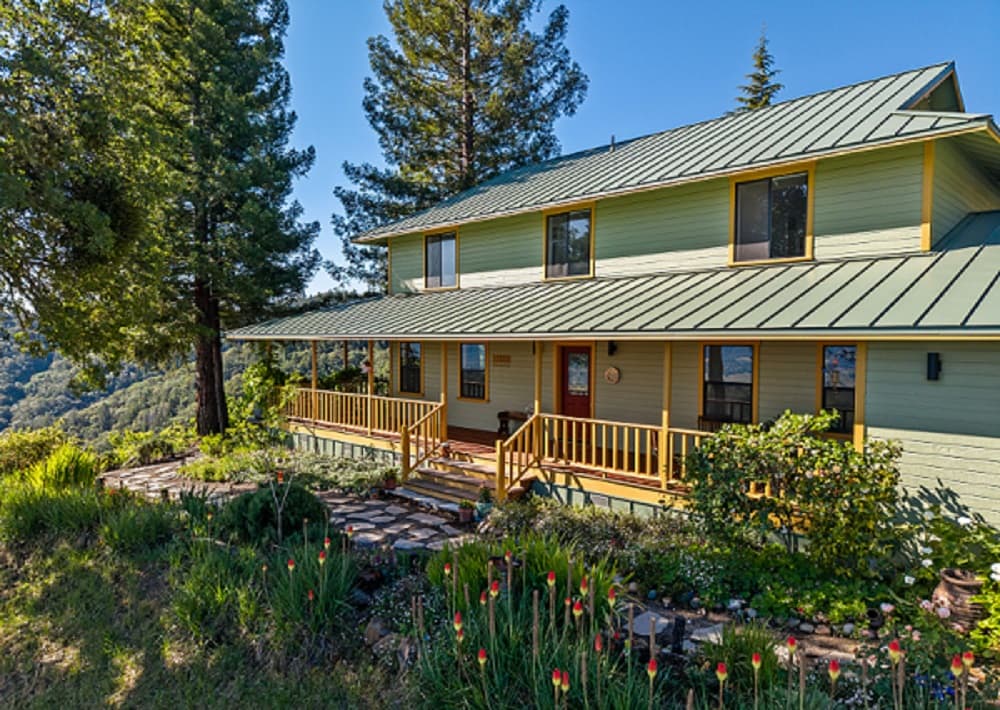
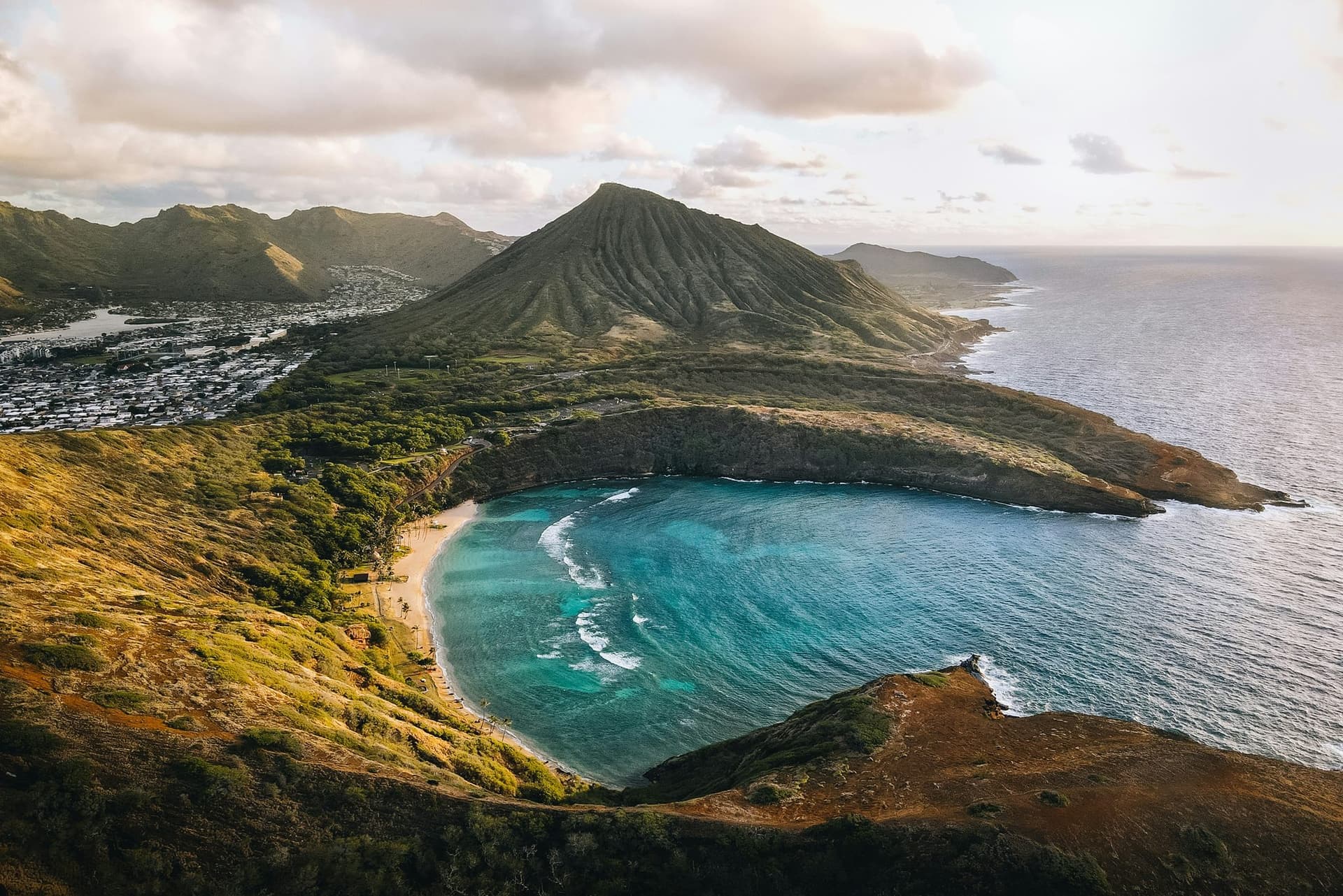
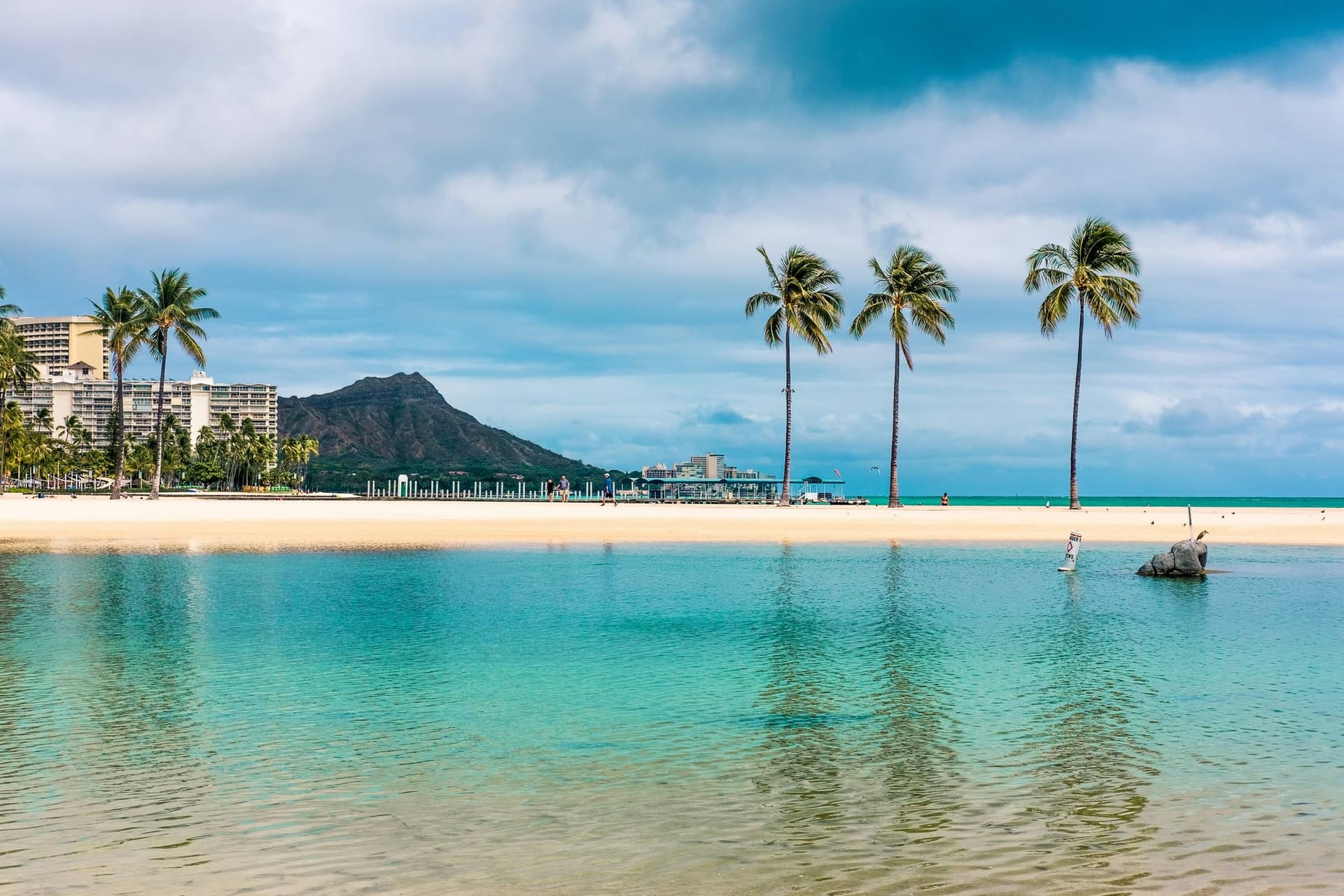
Oahu is Hawaii’s most populous and developed island, offering a blend of metropolitan infrastructure and tropical environment. Honolulu, the state capital, serves as the economic and cultural hub, providing a wide range of professional opportunities, dining, and entertainment options.
Real estate on Oahu is diverse. Waikiki features high-rise condominiums with amenities such as pools and fitness centers, appealing to residents who prioritize convenience and low-maintenance living. Meanwhile, neighborhoods like Kahala and Hawaii Kai offer single-family homes that reflect contemporary Hawaiian design with open layouts and outdoor spaces.
The island attracts a broad demographic, including young professionals drawn to its job market, families seeking established schools, and retirees who value urban amenities combined with island life. Its extensive infrastructure—airports, hospitals, and public transit—supports a connected lifestyle uncommon on other islands.

Oahu
SUBSCRIBE TO THE HAVEN MAILING LIST
Curated homes, market intelligence and design stories — a few emails a month.
No spam. Unsubscribe any time.
Maui: A Blend of Luxury and Outdoor Recreation
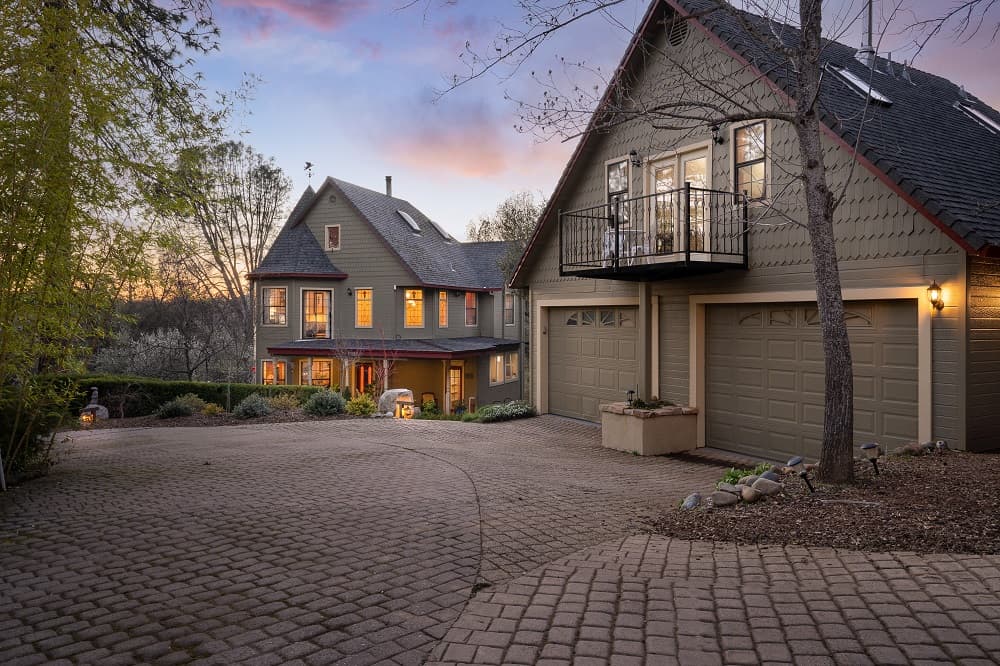
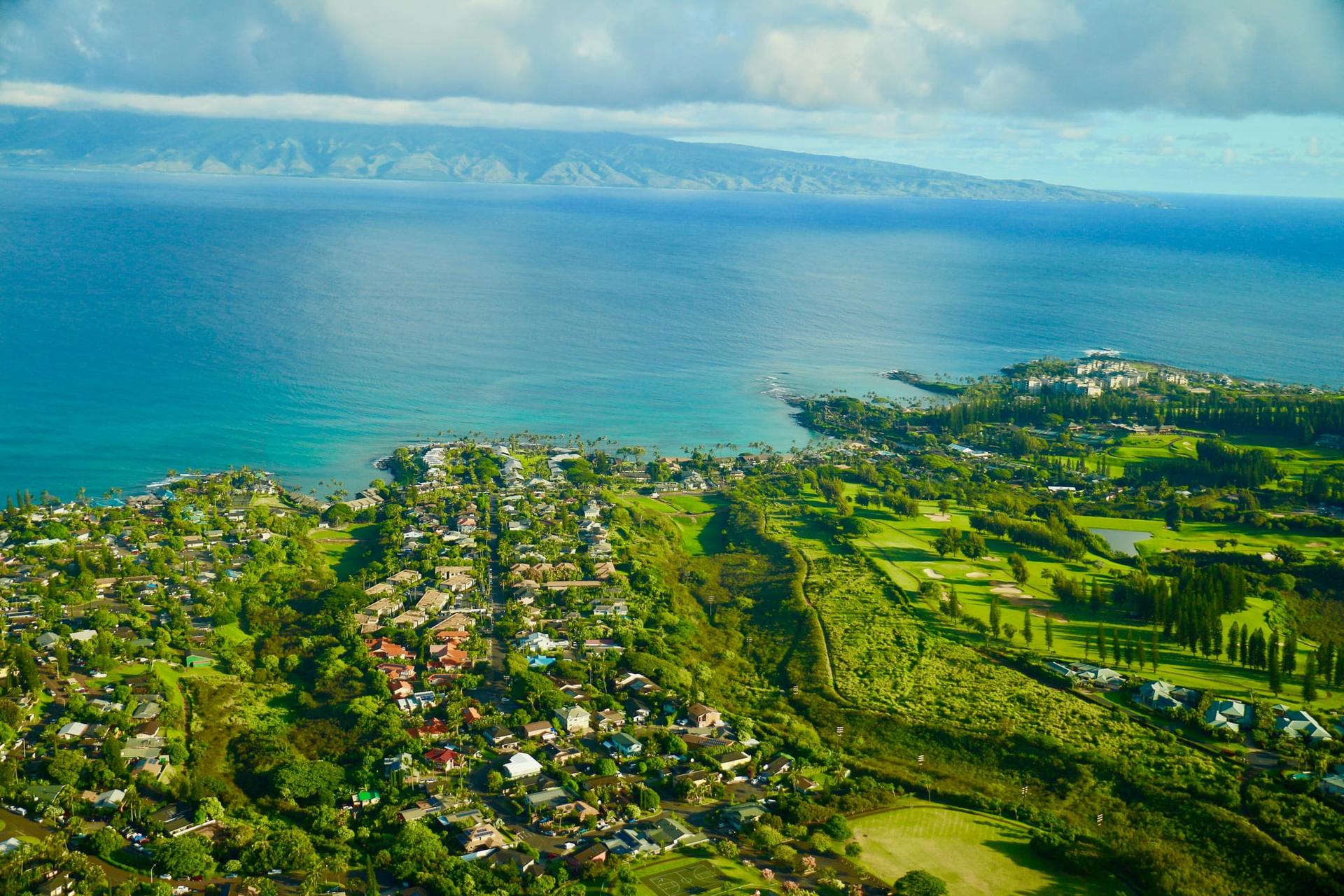
Maui occupies a middle ground between urban bustle and rural tranquility, known for its diverse microclimates and outdoor activities. Areas such as Wailea and Kapalua are recognized for upscale resorts and luxury residences, while towns like Paia offer a more laid-back, artistic vibe.
Maui’s real estate often emphasizes indoor-outdoor living, with homes designed to maximize natural light and ocean views, frequently incorporating sustainable building practices. The market includes both high-end homes and condominiums with resort-style amenities, catering to full-time residents and vacation homeowners alike.
Buyers typically include affluent professionals, entrepreneurs, and retirees attracted by the island’s combination of natural beauty and upscale living. The presence of multi-million-dollar properties reflects strong demand in luxury segments, with many serving as investment properties for vacation rentals.

Maui
Big Island: Expansive Space and Natural Diversity
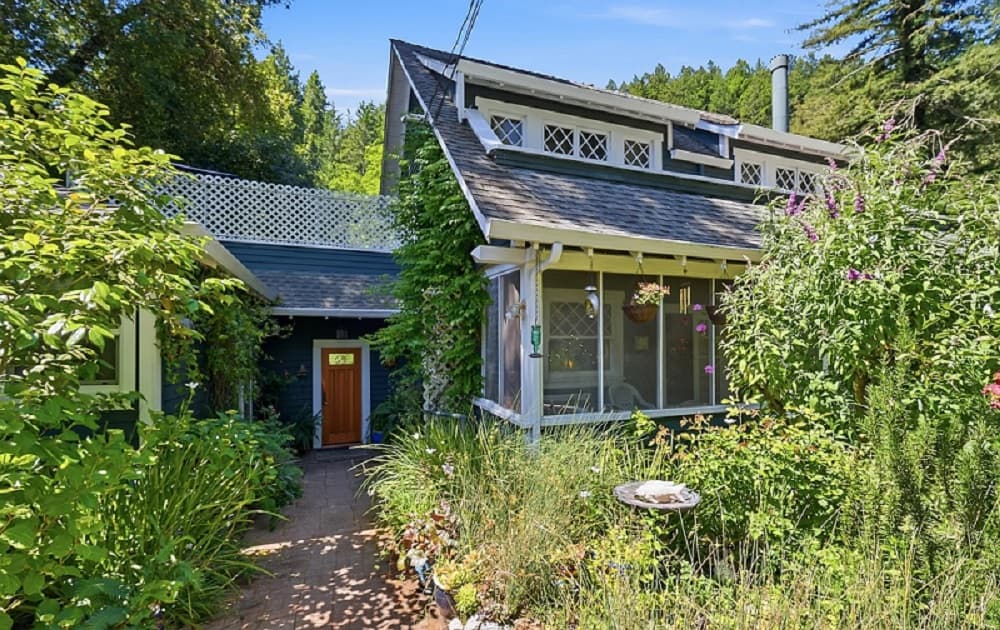
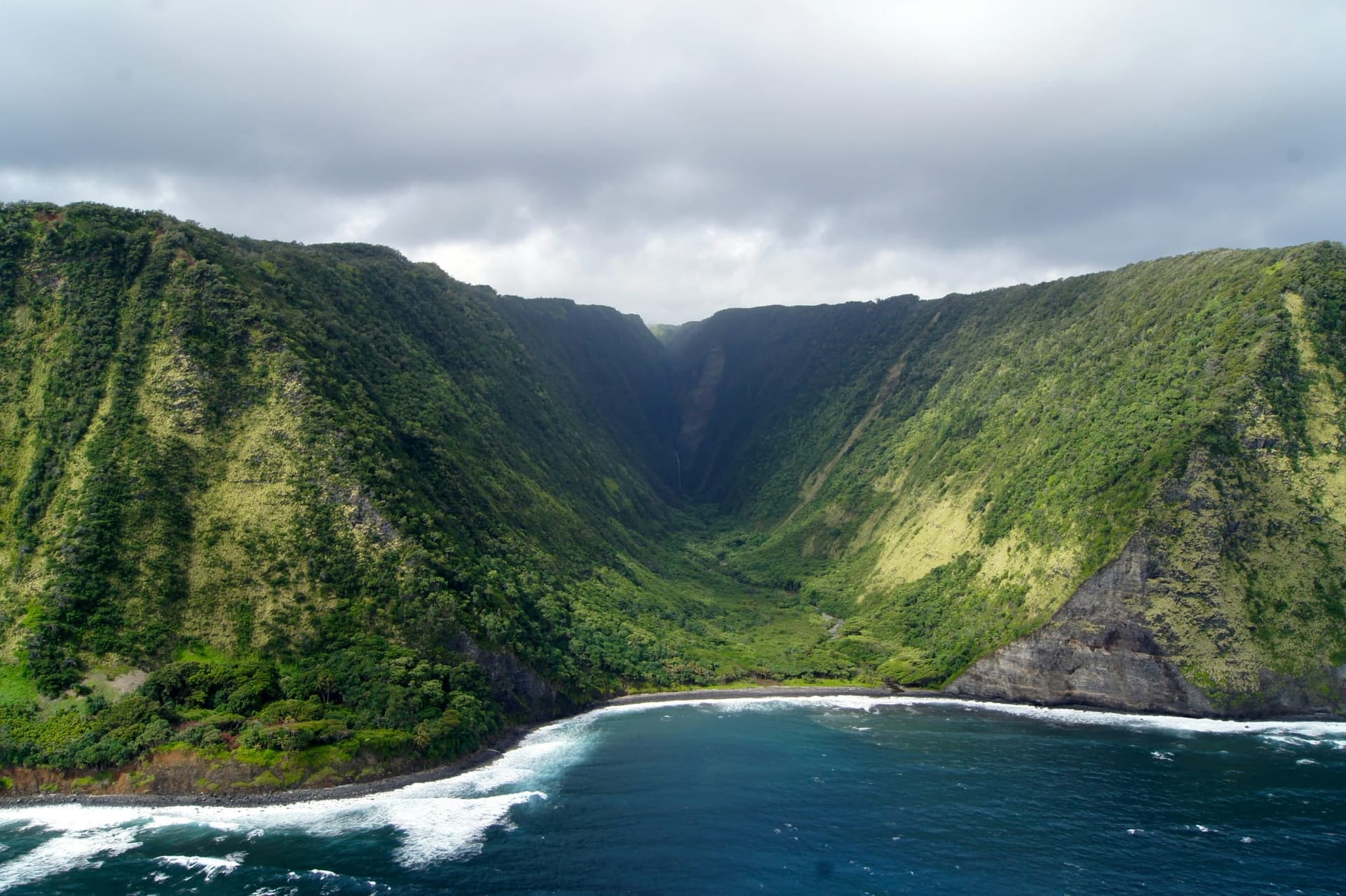
The Big Island stands out for its varied climates—from lush rainforests to volcanic deserts—and offers some of Hawaii’s most diverse real estate options. Large plots of land are common, appealing to those seeking privacy or agricultural opportunities.
Residents benefit from direct access to unique natural features such as active volcanoes and snow-capped peaks, contributing to a slower pace of life with strong ties to local culture and agriculture.
Real estate ranges from modest coastal homes to expansive estates and farms, often featuring sustainable technologies like solar panels and rainwater systems. Compared to other islands, land and home prices can be more affordable, making it attractive for buyers interested in space and self-sufficiency.
The buyer profile includes retirees, agriculturalists, and those pursuing off-grid lifestyles. The Big Island also presents investment potential in both vacation rentals and agricultural properties.

Island of Hawaii
Kauai: Preservation and Authenticity
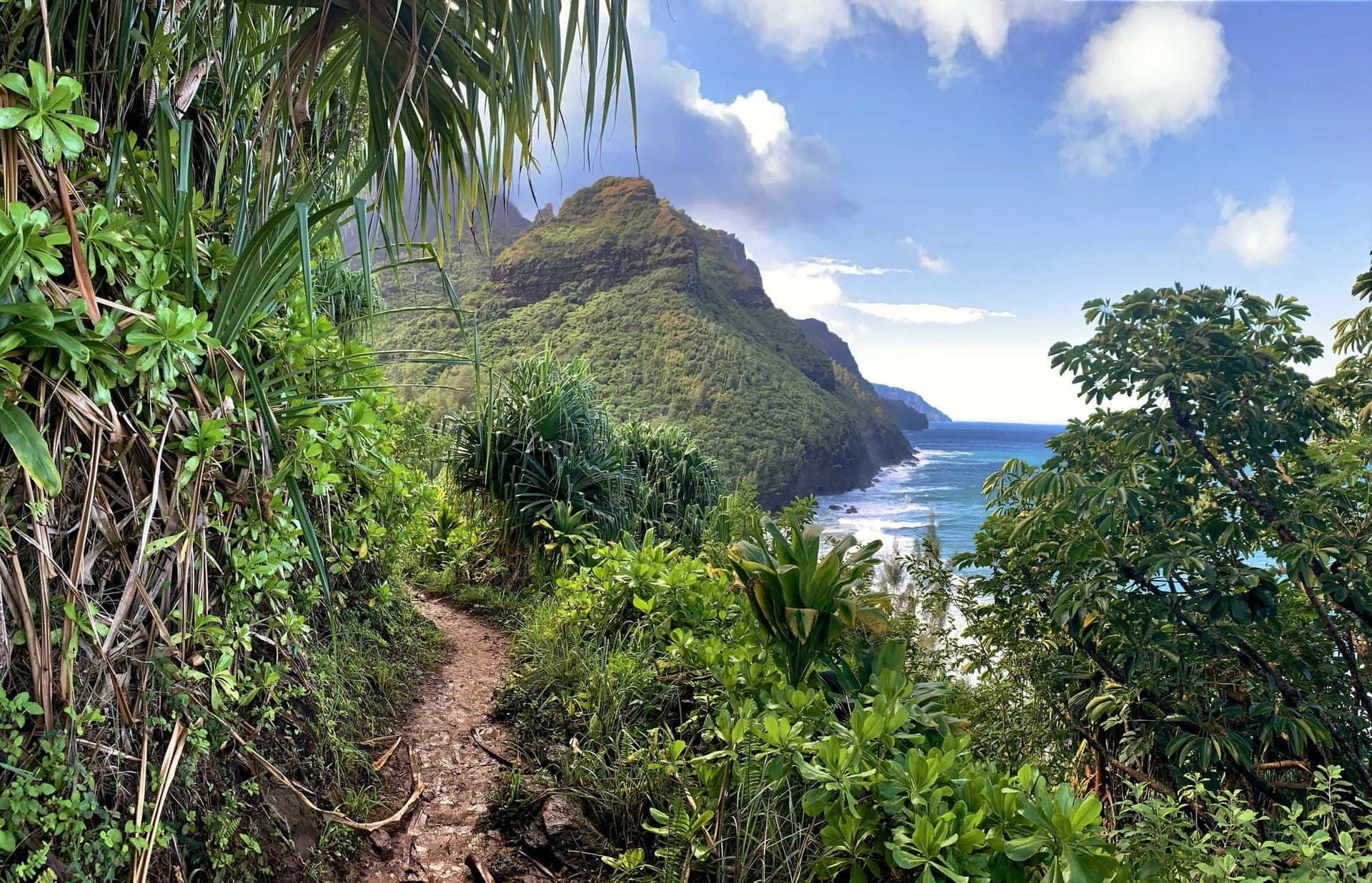
Known as the “Garden Isle,” Kauai preserves much of Hawaii’s traditional atmosphere through strict land use regulations that limit development and maintain natural landscapes.
Amenities tend to be more modest compared to other islands, with residents valuing outdoor recreation and cultural connection.
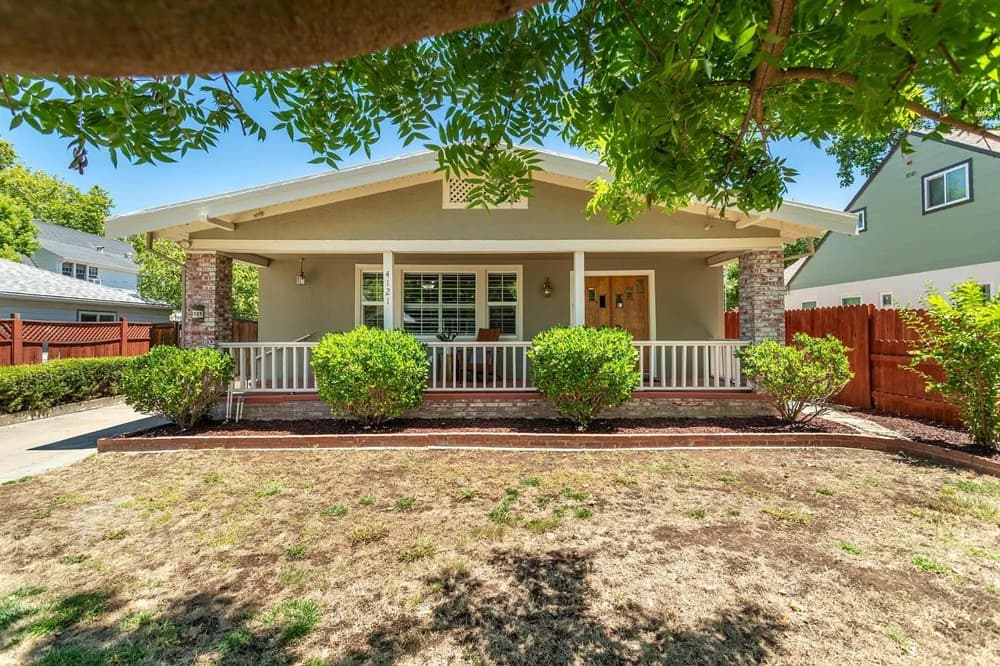
Homes often incorporate traditional Hawaiian architectural elements and focus on harmony with the environment through natural ventilation and landscaping with native plants. Limited land availability contributes to a competitive real estate market.
Kauai appeals to buyers who prioritize environmental preservation and a quieter, more authentic island experience, including artists, retirees, and those seeking a strong sense of local community.

Kauai
Lanai: Secluded Luxury
Lanai is the smallest of the five major islands with a largely private ownership structure, fostering an exclusive atmosphere centered around privacy and high-end amenities.
The island features luxury golf courses, resorts, and limited residential communities with premium services. Real estate consists predominantly of upscale homes and resort residences designed to capitalize on panoramic ocean and mountain views.
Buyers are typically ultra-high-net-worth individuals, including celebrities and business leaders, seeking privacy and resort-style living in a more intimate setting. Properties often function as private retreats or luxury vacation homes.
Market Trends and Investment Outlook
Hawaii’s real estate markets vary widely, shaped by local lifestyle preferences and economic factors. Post-pandemic trends have increased interest in island living among mainland buyers, particularly those able to work remotely.
Oahu offers the greatest market liquidity and rental opportunities, while Maui and Kauai are strong contenders for vacation home investments. The Big Island provides value for buyers looking for larger parcels or agricultural land, and Lanai represents a niche luxury segment focused on exclusivity.
The Future of Multigenerational Estate Design
As this trend continues to evolve, Nevada’s custom estate market is likely to see continued development of innovative approaches to multigenerational living. Emerging concepts include modular design elements that can be reconfigured as family needs change, sustainable building practices to reduce operating costs, and wellness-focused amenities that promote healthy aging in place.
The growing acceptance of multigenerational living as a mainstream lifestyle choice rather than an economic necessity has elevated the design standards and market expectations for these properties. Today’s buyers seek estates that offer the same luxury amenities and architectural sophistication found in traditional single-family luxury homes, but with the added complexity of accommodating multiple family units seamlessly.
The trend toward multigenerational custom estates represents a fundamental shift in how families approach long-term housing decisions, with Nevada among the markets where favorable conditions and builder innovation position the state as a notable player in this evolving residential category. These properties offer a compelling solution for families seeking to balance togetherness with independence, creating lasting value through thoughtful design and enduring style that can adapt to changing needs over generations.