Houston, TX
As 2025 comes to a close, Houston’s real estate and lifestyle landscape reflects a city in recalibration rather than retreat. After several years of rapid expansion, the past year marked a return to steadier conditions—one defined by moderation, resilience, and a market learning how to operate outside of pandemic-era extremes.
Throughout 2025, Houston’s housing market moved at a more deliberate pace. The intense competition that once defined the landscape eased, giving buyers more room to make thoughtful decisions and sellers a clearer sense of where pricing truly stood. Home values largely held steady rather than surging, signaling a market finding balance rather than losing momentum. Inventory increased compared to the tightest years, offering buyers more options.
Houston’s rental market followed a similar path of stabilization. Supply expanded significantly in recent years, and by 2025 occupancy trends began to stabilize even as new units continued entering the market. Rent growth slowed to a more sustainable pace, and volatility eased for both property owners and tenants. The result was a rental environment that felt more predictable than competitive—a welcome change after years of rapid swings.
SUBSCRIBE TO THE HAVEN MAILING LIST
Curated homes, market intelligence and design stories — a few emails a month.
No spam. Unsubscribe any time.
Employment growth remained solid, though more measured than earlier high-growth stretches. Houston continued adding jobs across healthcare, construction, logistics, and professional services, though at a slower pace than earlier forecasts once predicted. Even so, the metro area maintained its role as one of the country’s major employment centers, continuing to attract new residents drawn by opportunity and relative affordability.
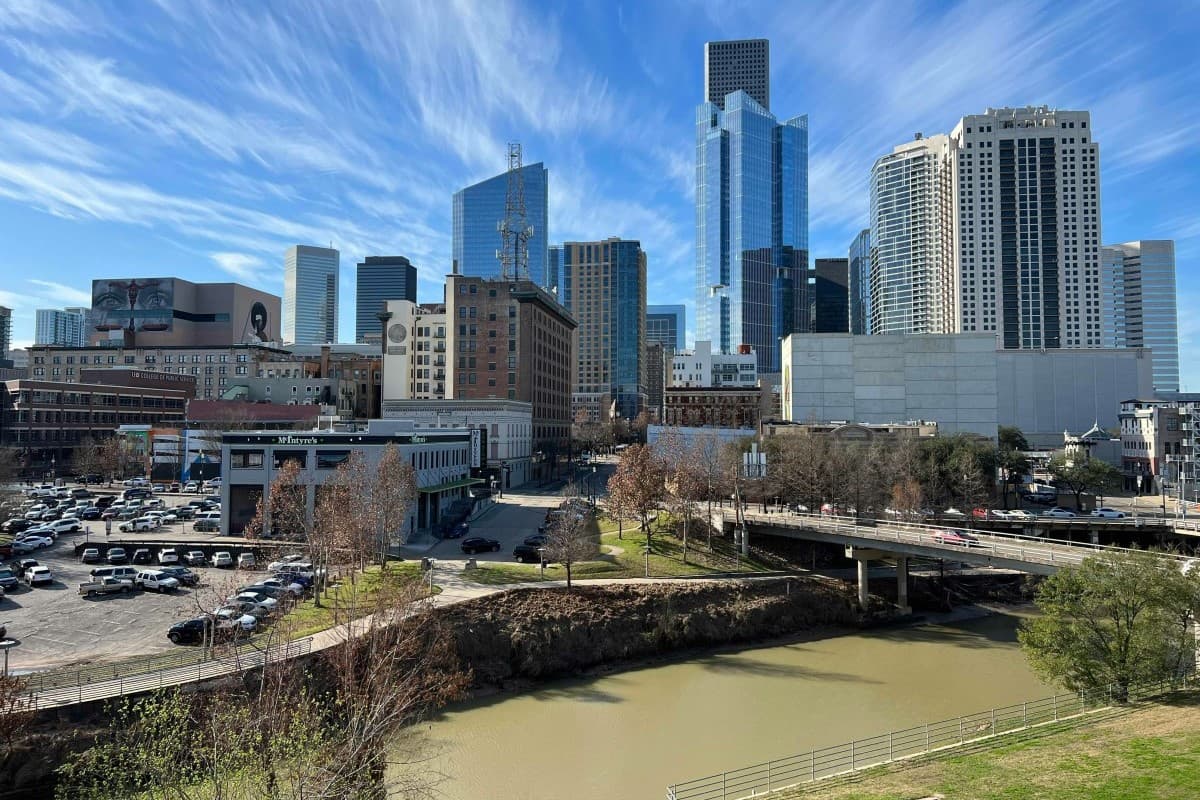
Beyond the housing numbers, Houston’s lifestyle appeal continued to evolve. Neighborhoods such as Montrose, The Heights, and the East End deepened their identities as walkable, vibrant communities, while downtown Houston continued to grow as a residential district, with new developments helping expand its appeal. Parks, dining, arts, and entertainment remained central to the city’s appeal.
Beyond the wine and cider, there will also be food options available. This year, a new addition to the festival is the VA Oyster Pavillion. There are few better pairings than wine and oysters, and this year, the festival is inviting some of the top oyster producers in the state to showcase the best they have to offer. There will be thousands of fresh oysters from the Chesapeake Bay and dishes that feature oysters.
Looking toward 2026, the outlook is cautiously optimistic. With the market having worked through much of its recent adjustment, many signs point toward modest renewed growth rather than continued cooling. Buyers who paused over the past year are expected to re-enter as confidence improves, and sellers are better aligned with today’s pricing realities. Rather than dramatic price swings, most projections favor gradual appreciation anchored in real demand.
Houston’s economic foundation remains a central strength. Energy, healthcare, aerospace, technology, and international trade continue to shape a diversified employment base that helps buffer the region against national uncertainty. While economic headlines remain mixed across the country, Houston’s fundamentals remain comparatively steady.
For buyers, 2026 is shaping up as a window of opportunity—one marked by more choice, less competition than peak years, and pricing that feels grounded rather than inflated. For sellers, success will hinge on preparation and realism rather than speed alone.
The shift from 2025 into 2026 represents a broader evolution for Houston. The era of rapid, frenzied expansion appears to be giving way to a more sustainable phase—one defined by steadier growth, expanding lifestyle appeal, and a market that rewards thoughtful long-term decisions.