
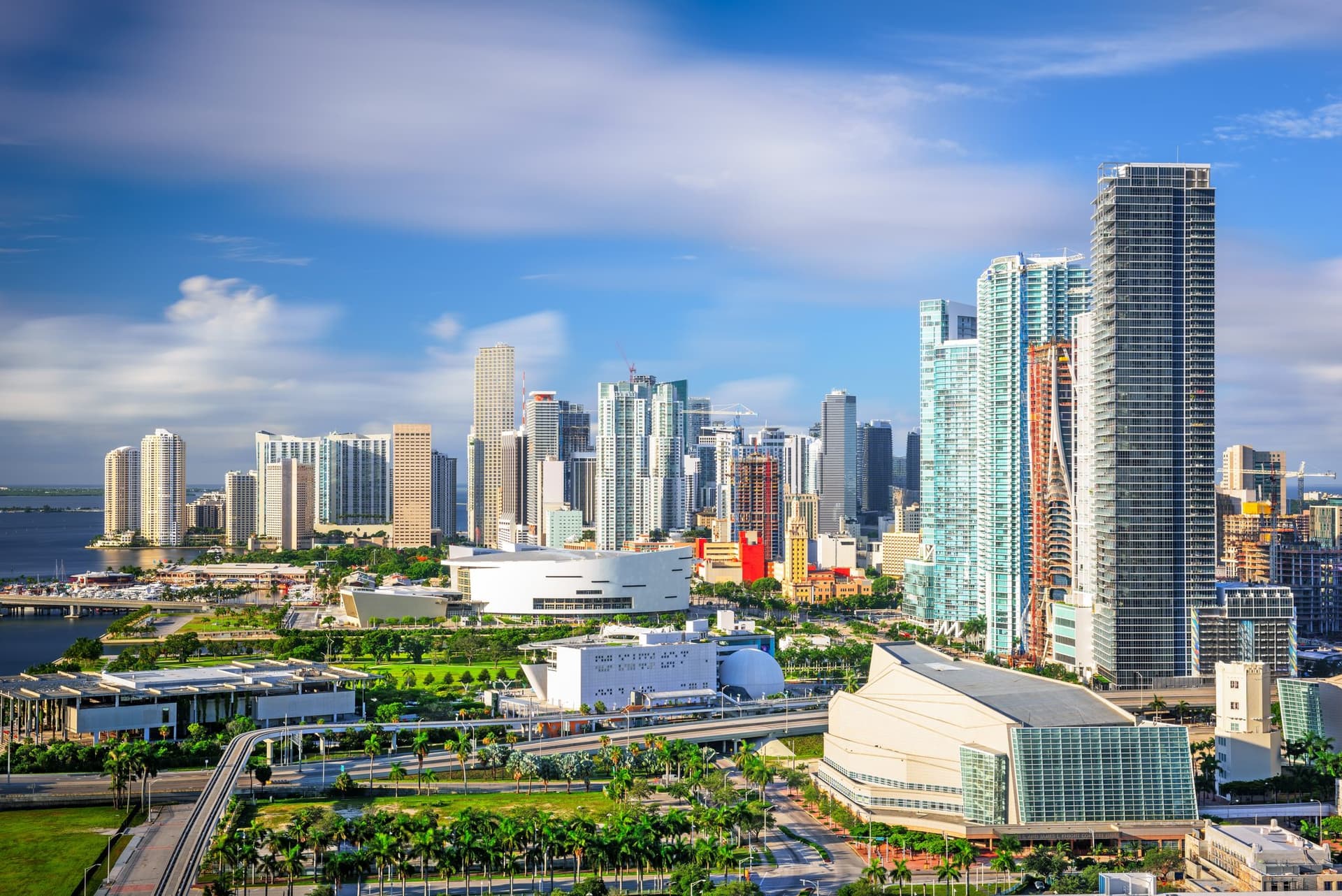
Miami, FL | Sean Pavone/Shutterstock.com
The 2026 FIFA World Cup is still weeks away, but its effect on the short-term rental market is already visible. Across U.S. host markets, homes and condos are becoming a larger part of the lodging equation as travelers look beyond hotels for visiting host cities.
According to AirDNA data provided to Realtor.com, short-term rental demand in U.S. host cities is up an average of 66% during World Cup match dates. The effect also appears to be extending into the broader summer travel season, with June and July reservations nationally pacing 15.2% and 17.1% above last year, respectively, based on AirDNA’s March U.S. Review.
For residential real estate, the numbers show how major events can temporarily change the use and value of homes in high-demand markets. Properties that usually function only as private residences can become part of a city’s visitor infrastructure, especially when hotel supply tightens and group travel pushes demand toward larger spaces.
Where Demand Is Rising Fastest
AirDNA data provided to Realtor.com found that Miami leads the U.S. list with a 58.4% year-over-year increase in short-term rental bookings across June and July, followed closely by Fort Worth at 58.2%. Kansas City is up 48.5%, Houston is up 45.2%, and Dallas is up 44.3%. Jersey City and Newark, positioned near New York-area match activity, posted a 39.7% increase. These places range from host cities themselves to adjacent markets that can serve travelers priced out of or routed away from the most central locations.
In some markets, demand is even more pronounced around specific match dates. In Miami, bookings for the June 24 Brazil-Scotland match are up 244% year over year, while Jersey City and Newark are seeing triple-digit booking increases around select New York-area match dates. Kansas City is also seeing a notable supply response, with the largest increase in listings created specifically for the tournament; World Cup-only properties account for 11% of new listings there.
SUBSCRIBE TO THE HAVEN MAILING LIST
Curated homes, market intelligence and design stories — a few emails a month.
No spam. Unsubscribe any time.
Why Homes Are Part of the Travel Strategy
Hotels remain central to World Cup travel, but short-term rentals offer more bedrooms, kitchens, private outdoor space, and room for families or groups traveling together. With matches in many host cities stretching many weeks, those advantages can be especially impactful for visitors staying several nights or combining matches with a longer summer trip.
The pricing environment also reflects the pressure. According to an AirDNA February article, 11 host cities have asking rates up more than 90% year over year for dates available, though actual performance will vary by market, property type, location, and timing.
This does not mean every host-market homeowner will benefit equally. Location, local regulations, property type, amenities, and timing will all affect performance. A well-located condo near transit may have a different appeal than a large suburban home suited to group travel. Realtor.com also notes that local short-term rental rules can influence where bookings land, with New York City’s restrictions helping redirect demand toward nearby New Jersey markets.
A Temporary Event With Longer-Term Signals
Once the World Cup ends, some properties will return to their normal use, and demand will settle back into a more typical seasonal pattern. Still, the booking surge offers a useful look at how flexible the short-term rental market has become.