
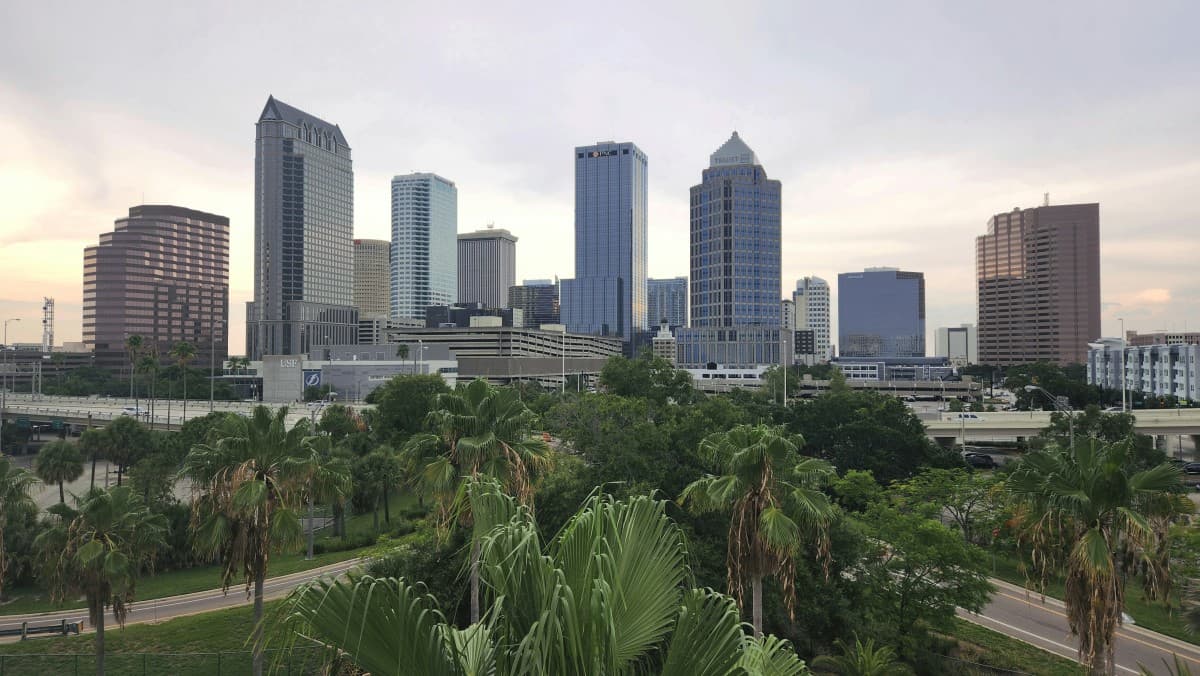
Tampa, FL
Across Tampa Bay, the definition of “premium” has widened. Alongside square footage, finishes, and address, buyers are now pressing early on roof age, wind-mitigation documentation, prior claims, and whether a seller can produce an insurance file that’s easy for a carrier to review. This year, insurability is part of what low-friction ownership looks like on Florida’s Gulf Coast, and it’s increasingly shaping how smoothly a deal moves from offer to closing.
The shift has become more visible as the insurance market continues to rebalance. According to Axios Tampa Bay, Citizens Property Insurance Corp. shed about 150,000 policies in the Tampa Bay area over the last year as private insurers stepped in, changing what many homeowners encounter at renewal and what buyers want clarified before they’re fully committed. That doesn’t mean great homes aren’t selling—they are. It means the practical questions are arriving sooner, and a well-prepared listing often feels “easier” in a way today’s buyers recognize immediately.
In luxury transactions, ease has always carried value. What’s changed is where that ease is being measured. Buyers still care about design, light, and livability, but they’re also more attuned to the operational side of ownership: will coverage be straightforward to secure, will the file raise follow-up questions, and will the timeline stay intact without last-minute pivots? In a market where many buyers are balancing busy calendars, travel, and second-home logistics, predictability has become a real differentiator.
SUBSCRIBE TO THE HAVEN MAILING LIST
Curated homes, market intelligence and design stories — a few emails a month.
No spam. Unsubscribe any time.
The due-diligence checklist has expanded accordingly. Roof age and roof type sit near the top of the list, because they can influence both pricing confidence and the path to binding coverage. Wind-mitigation reports and documented upgrades help a buyer understand the home’s readiness and insurers evaluate risk without delays. Claims history—sometimes even smaller claims—draws attention because buyers want to avoid surprises after they’ve already committed time and leverage to the process. Permit records for major work are also increasingly part of the conversation to confirm that improvements were done properly and can be presented cleanly.
For sellers, the listings that feel most “ready” are the ones that come with an organized set of materials: roof receipts and warranties, a current wind-mitigation report, permits for notable renovations, and any relevant elevation documentation where it applies. That kind of package keeps negotiations cleaner, and also signals competence and care.
Submarkets can experience this differently. Waterfront homes typically face more scrutiny because exposure and zone-specific requirements can affect the range of options and pricing. Inland homes may encounter fewer hurdles on flood exposure, but roof condition and documentation can still be decisive. Condos add another layer, since buyers increasingly want to understand the building’s master policy and overall stability to avoid uncertainty after closing.
The takeaway for Tampa Bay is that beauty still sells, but buyers are placing more weight on a smooth path to ownership. Homes that pair strong design with strong readiness—clear records, well-documented improvements, and fewer unanswered questions—are increasingly the ones that feel worth paying up for, because they make the entire experience of owning in coastal Florida more predictable.












