
Traverse City
The Michigan real estate market continues to demonstrate resilience as we move into the final months of the year—home prices are appreciating at a steady yet moderate pace, and market conditions are aligning with broader national trends while retaining regional character.
Price Trends and Market Momentum
According to Redfin, Michigan’s median home price reached $284,200 in September—a 7.4% year-over-year increase. Meanwhile, Zillow reports the average home value in the state at about $258,642, up 3.0% over the past year. Though the two metrics differ (median vs average; differing sampling methods), they converge on the same message: Michigan is experiencing upward price movement.
What distinguishes Michigan is the measured pace of growth. While prices are rising, they are doing so at a steadier rate than many overheated markets—signaling sustained demand rather than speculative frenzy. For context, nationwide U.S. home-prices, according to Redfin, were up only about 1.7% year-over-year in September.
SUBSCRIBE TO THE HAVEN MAILING LIST
Curated homes, market intelligence and design stories — a few emails a month.
No spam. Unsubscribe any time.
Regional Variations and Market Dynamics
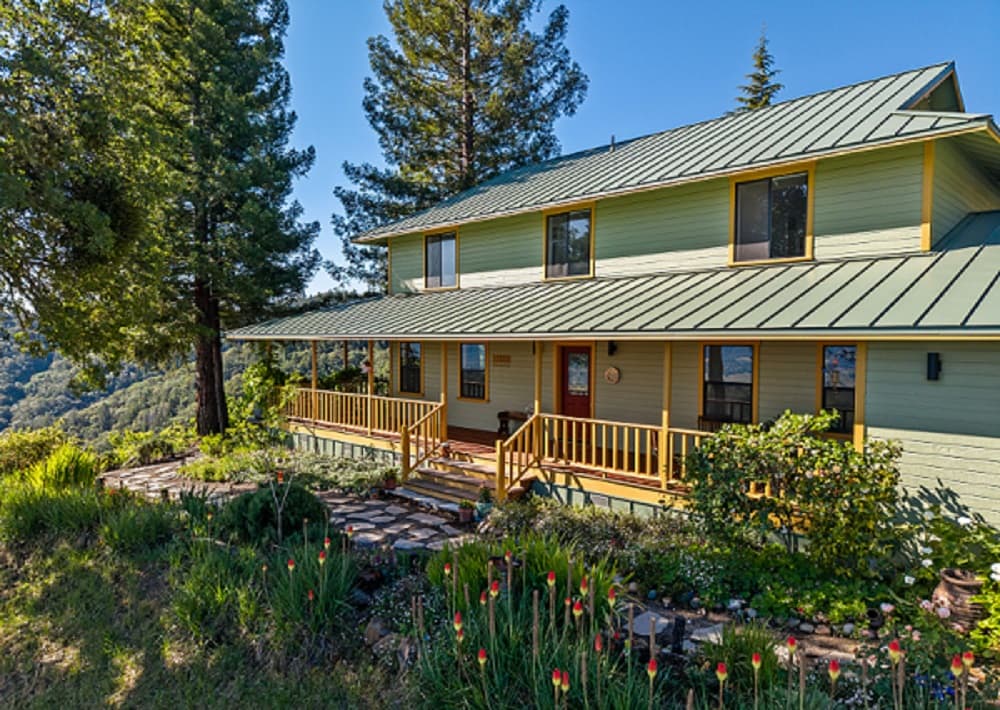
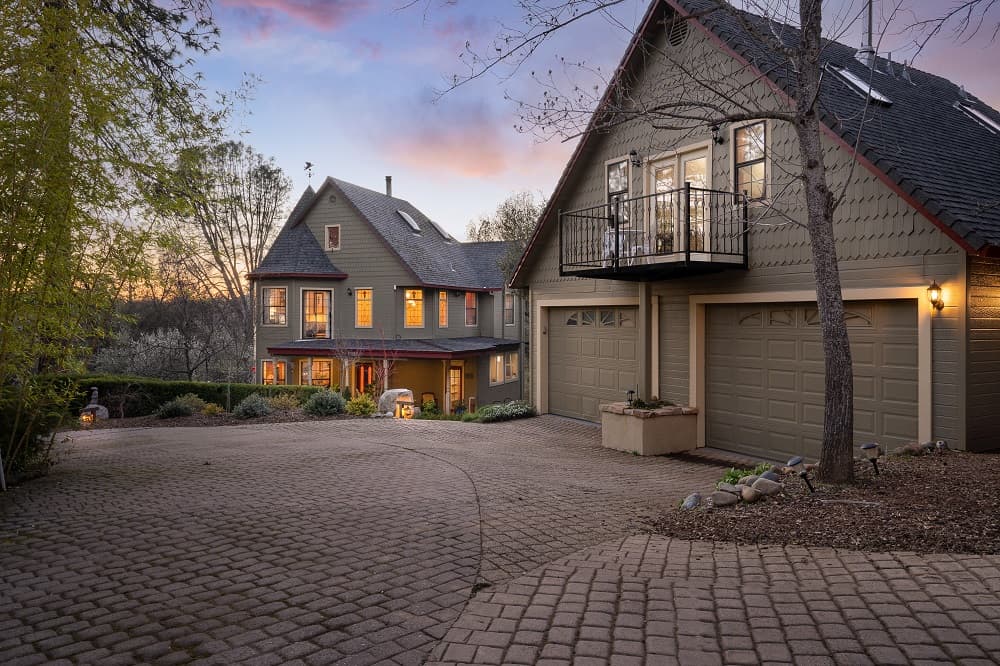
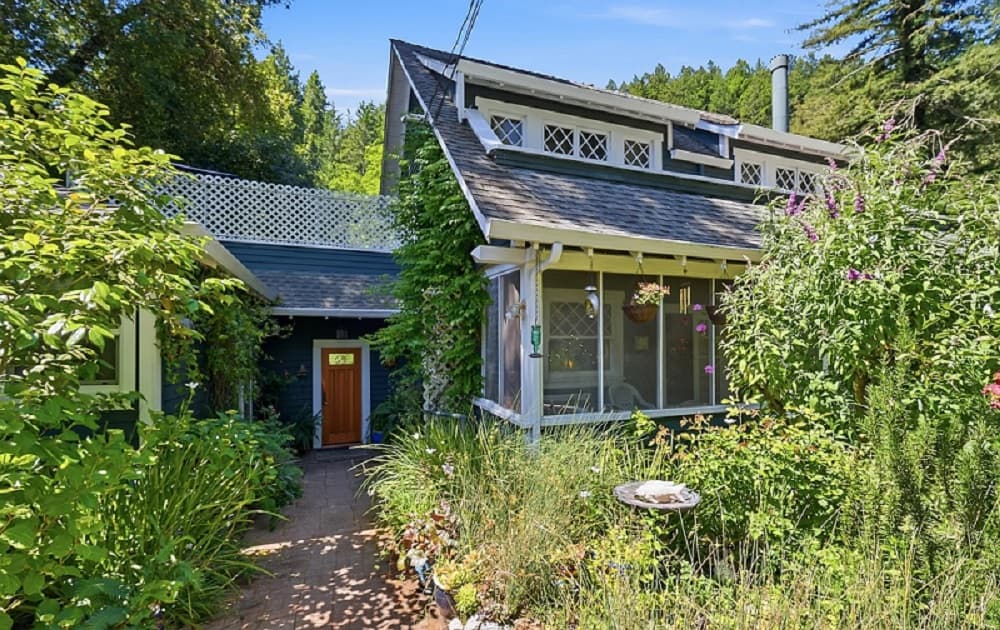
Michigan’s housing market is far from uniform. Northern Michigan—recreational areas such as Traverse City—have sustained steady demand, though local inventory and positioning matter more than ever. Meanwhile, metro areas such as Grand Rapids continue to draw both owner-occupants and investors seeking value; Redfin reports median sale prices in Grand Rapids at about $300,000 in September with a 7.5% year-over-year rise.
In Southwestern Michigan, the market has outpaced the state average in some pockets—demonstrating how local dynamics (schools, amenities, land supply) play an outsized role in outcomes.
Looking Ahead
For the final quarter of the year, the market appears positioned for continued moderate appreciation rather than dramatic spikes. The combination of steady buyer demand, improving inventory conditions in many regions, and supportive economic fundamentals suggests the market trajectory will hold. That said, external factors—such as shifts in interest rates, employment trends, or broader economic uncertainty—could influence dynamics.
For buyers and sellers alike in Michigan, the current environment leans toward sellers, but the slower pace of growth offers more room for negotiation compared to more frenzied markets. Long-term value creation looks more likely than rapid speculative gain, making Michigan a compelling option for those prioritizing sustainability over sprint-style growth.