Sponsored content

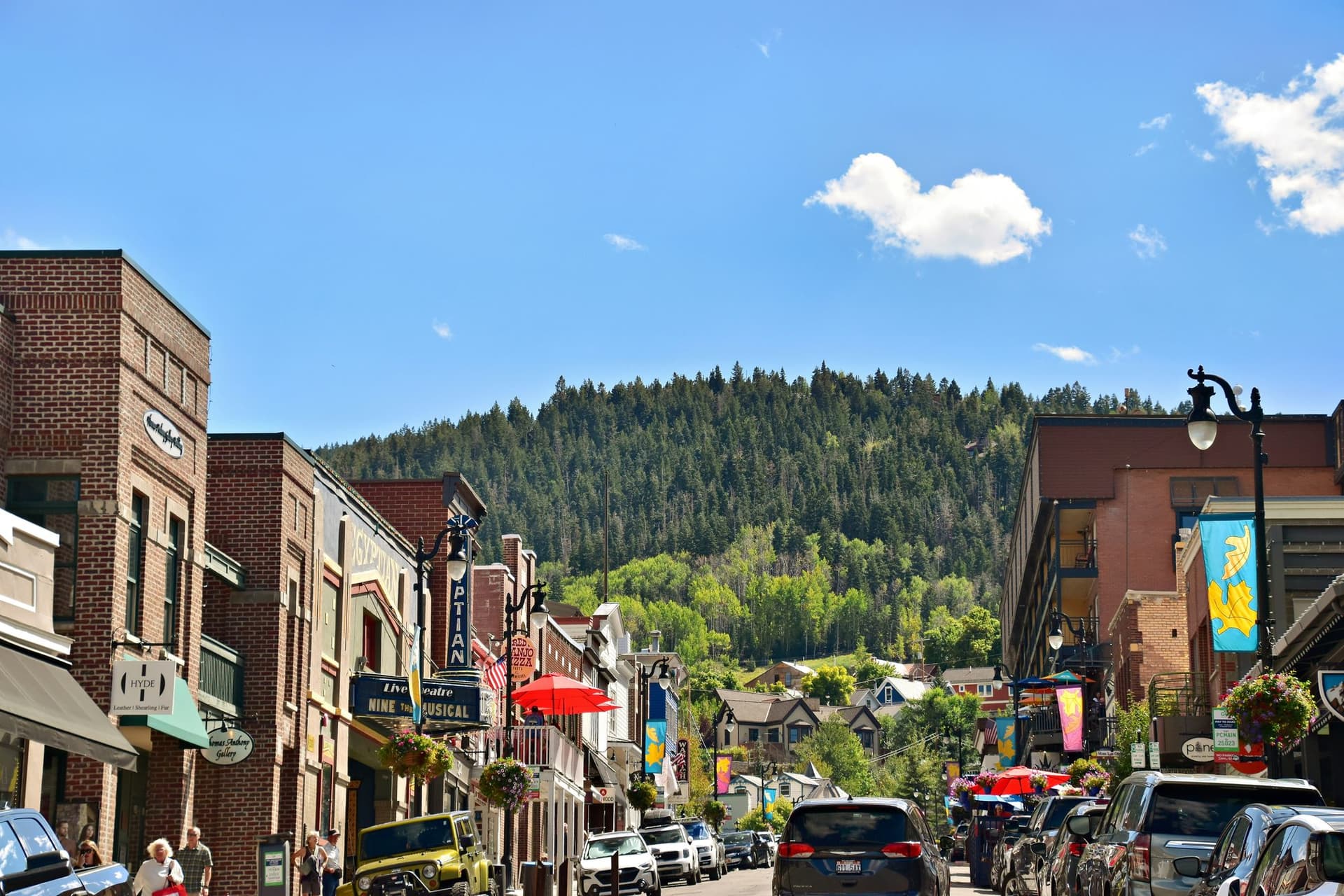
Park City, UT
Few mountain towns in the American West have as diverse an architectural landscape as Park City, Utah. Perched at roughly 7,000 feet elevation in the Wasatch Mountains, this former silver-mining hub has evolved into one of the most sought-after real estate markets in the country—and its housing stock reflects that layered history. From rustic ski lodges built for function to sleek contemporary estates designed for luxury, Park City’s home styles speak to both the town’s rugged roots and its modern affluence.
Whether you’re purchasing your first Park City property or simply trying to understand the local market, knowing the dominant architectural styles can sharpen your search. Each style carries distinct characteristics, price points, and lifestyle implications worth understanding before you make a decision.
Mountain Contemporary: Park City's Defining Architectural Style
Walk through any of Park City’s newer neighborhoods—Promontory, Tuhaye, or the upper reaches of Canyons Village—and one style dominates the landscape: mountain contemporary.
This aesthetic blends the warmth of natural materials with clean, modern lines. Expect heavy timber framing, stone facades, and metal roofing paired with floor-to-ceiling windows that frame sweeping mountain and valley views. Interior spaces lean open and airy, with great rooms designed to blur the boundary between indoors and outdoors through expansive sliding glass doors and wraparound decks—many of which are deliberately positioned to maximize sightlines across ski runs, ridgelines, and open terrain.
Mountain contemporary homes are built to handle Park City’s harsh winters—steep rooflines shed snow efficiently, and durable exterior materials stand up to freeze-thaw cycles. At the same time, these properties prioritize visual drama. The combination of natural texture, architectural precision, and carefully oriented view corridors has made this style the benchmark for luxury construction in the area, with many custom builds in the $3 million to $10 million-plus range.
SUBSCRIBE TO THE HAVEN MAILING LIST
Curated homes, market intelligence and design stories — a few emails a month.
No spam. Unsubscribe any time.
Ski Lodge and Mountain Rustic: Warmth Above Everything
Older neighborhoods near the Park City Mountain Resort base area and lower Deer Valley are home to a different sensibility—one rooted in the ski lodge tradition of the 1970s and 1980s. These homes prioritize warmth, comfort, and an immediate connection to the slopes over architectural formality.
Think of exposed log or timber framing, vaulted ceilings with heavy wooden beams, stone fireplaces as a central focal point, and a layout designed for après-ski gatherings. Exteriors are typically clad in natural wood siding, often weathered to a silver-gray that blends into the surrounding terrain.
Mountain rustic homes tend to be smaller than their contemporary counterparts, with more intimate room configurations. However, their proximity to ski lifts and the historic Old Town district makes them consistently competitive in the market. Buyers who prioritize walkability and ski-in/ski-out access frequently gravitate toward this style, accepting the older construction in exchange for unbeatable location.
Victorian and Historic Miner's Cottages: Old Town's Heritage Architecture
Park City’s earliest permanent structures date to the silver boom of the 1870s and 1880s, and a meaningful number of those buildings—or their descendants—still stand in the Old Town neighborhood along Main Street and the surrounding blocks.
Historic miner’s cottages are modest in scale, typically 800 to 1,500 square feet, with steeply pitched gable roofs, clapboard siding painted in bold colors, and small but charming front porches. Victorian-era detailing—ornamental trim, bay windows, and decorative gable vents—distinguishes the more refined examples from simpler worker housing.
Owning a historic property in Park City comes with specific obligations. Many homes in Old Town fall within the Historic District, which means exterior modifications require approval from the Park City Historic Preservation Board. That oversight protects the neighborhood’s character but limits renovation flexibility. For buyers drawn to walkability, authentic mountain-town atmosphere, and architectural history, these homes remain deeply appealing—and their land value alone makes them a sound long-term investment.
Transitional Style: Bridging Rustic and Contemporary
Not every buyer wants the raw texture of mountain rustic or the sharp edges of modern contemporary. Transitional architecture has emerged as a popular middle ground, combining the cozy material palette of traditional mountain homes with updated layouts and more restrained ornamentation.
A transitional Park City home might feature reclaimed wood accents and a stone fireplace surround—hallmarks of mountain rustic—alongside a clean-lined kitchen with integrated appliances and a neutral, monochromatic color scheme more associated with contemporary design. Rooflines tend to be simpler than full rustic builds, and window configurations lean larger and more geometric.
This style suits buyers upgrading from older properties who want modern functionality without abandoning the warmth that defines mountain living. Transitional homes appear across a wide range of Park City’s master-planned communities and tend to offer strong rental performance, as their broad aesthetic appeal attracts a diverse pool of short-term visitors.
Modern and Ultra-Contemporary: Architecture as Statement
A smaller but growing segment of Park City’s housing market has embraced fully modern and ultra-contemporary design—architecture that treats the mountain landscape as a backdrop for bold geometric statements rather than a source of material inspiration.
These homes feature flat or minimal-pitch rooflines, monolithic concrete or steel exteriors, and interior volumes defined by structural glass and open-plan layouts. The emphasis is on precision: carefully calibrated proportions, bespoke detailing, and spatial sequences that unfold as you move through the home. Natural materials may still appear, but they’re deployed as deliberate contrasts—a wood-clad feature wall against raw concrete—rather than as the default language.
Ultra-contemporary builds in Park City are predominantly custom projects concentrated in Promontory and other large-lot communities where design controls are flexible enough to accommodate experimental architecture. These properties appeal to buyers with a strong personal design vision and tend to command premium pricing reflective of the custom construction costs involved.
Townhomes and Ski Condominiums: High-Density Mountain Living
No overview of Park City home styles would be complete without acknowledging the substantial inventory of attached properties—townhomes, slope-side condominiums, and ski-in/ski-out units that make up a significant share of the local market. Among the most sought-after of these are ski-in/ski-out condominiums, which offer direct slope access and represent some of the most coveted real estate in the area.
Architecturally, these properties mirror the detached home styles described above, with mountain contemporary and rustic aesthetics dominating newer developments. The key distinction is density and ownership structure. Townhome and condominium communities typically involve homeowners association governance, shared amenities (ski lockers, hot tubs, heated parking), and professional property management infrastructure that supports short-term rental operations. Ski-in/ski-out condominiums, in particular, command premium pricing due to their rare combination of slope accessibility and resort-level amenities.
For buyers seeking a lower-maintenance entry point into the Park City market—or an investment property with consistent rental demand driven by ski season traffic—attached properties offer a practical and often lucrative option. Ski-in/ski-out condos, with their unmatched convenience and strong rental appeal, are especially attractive to investors looking to maximize returns during peak ski season.
Choosing the Right Style for Your Goals
Architectural preference is deeply personal, but in Park City’s market, style choice also carries practical implications. Historic miner’s cottages offer charm and walkability but limited renovation freedom. Mountain rustic homes deliver location and atmosphere but may require significant system upgrades. Mountain contemporary and transitional properties offer modern infrastructure and broad appeal, making them well-suited for use as both primary residences and short-term rentals. And ultra-contemporary builds allow complete creative expression at a price that reflects the complexity of custom construction.
Understanding these trade-offs—before touring properties—saves time and sharpens negotiating clarity.
Find the Right Home in the Right Style
Park City’s architectural diversity is one of the town’s genuine strengths. The market accommodates buyers drawn to 19th-century heritage buildings and those seeking cutting-edge contemporary design, often within a few blocks of one another. That range, combined with the fundamental appeal of mountain living, is a large part of what sustains demand in this market across economic cycles.
If you’re ready to explore Park City real estate, connecting with a local specialist who understands the nuances of each neighborhood—and each architectural tradition—will serve you far better than a broad search alone. The right agent can align your style preferences, budget, and lifestyle goals with the specific corners of the market most likely to deliver lasting satisfaction.