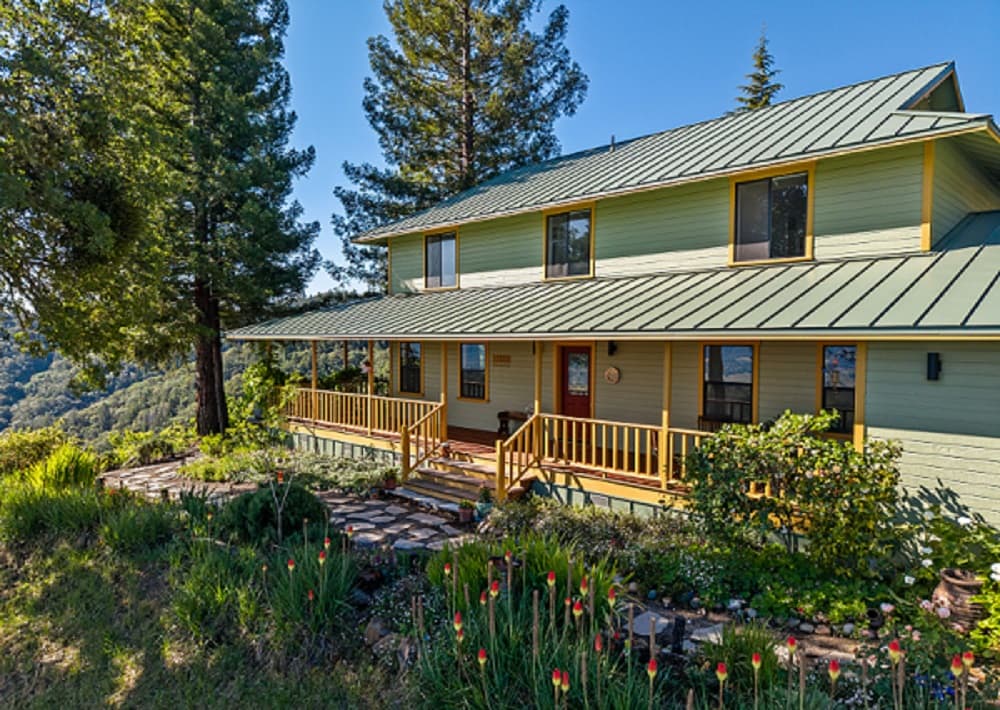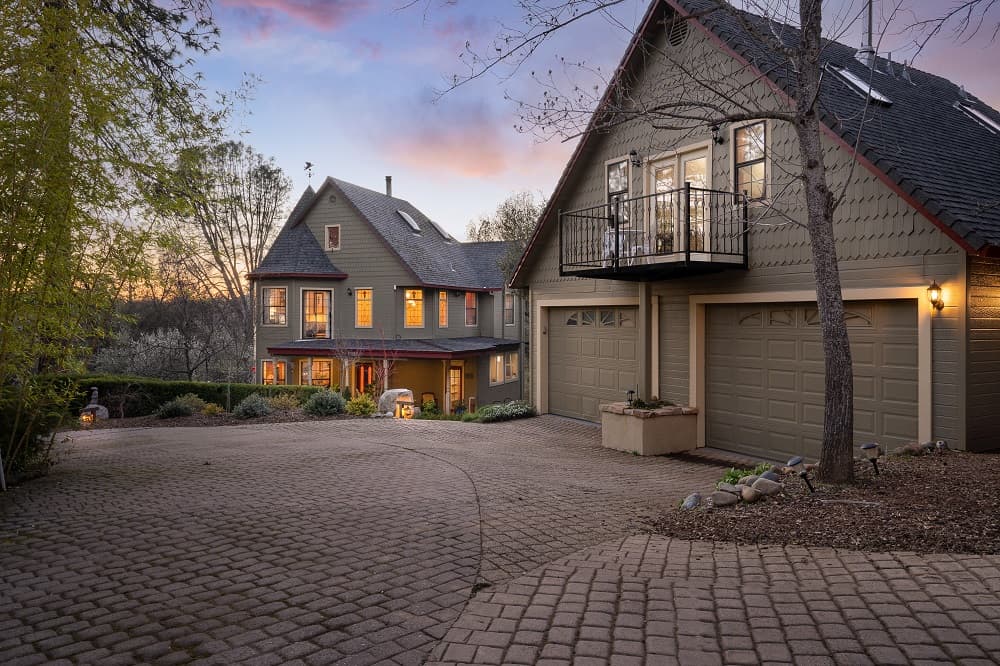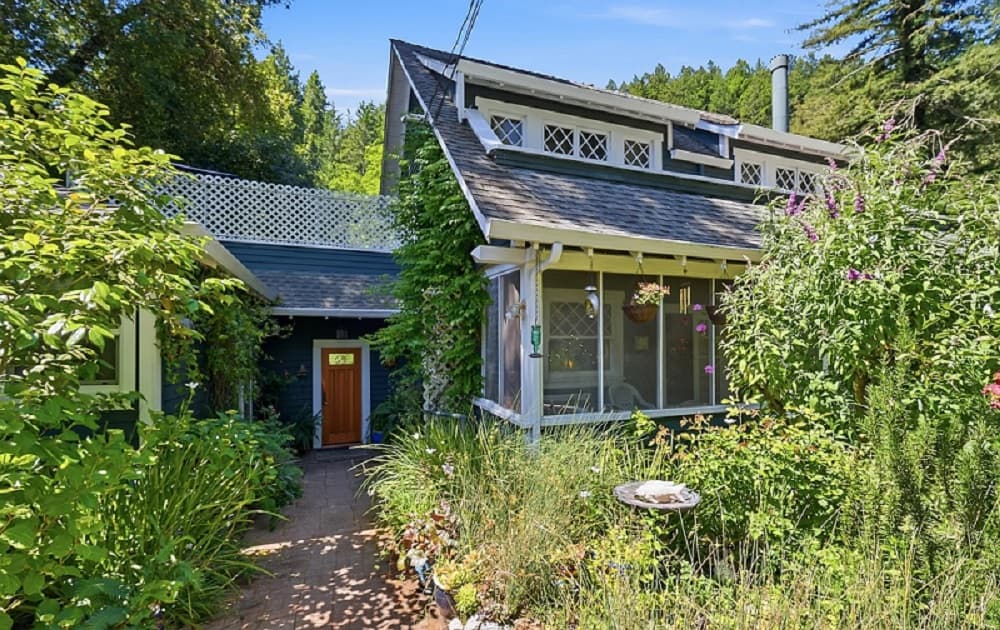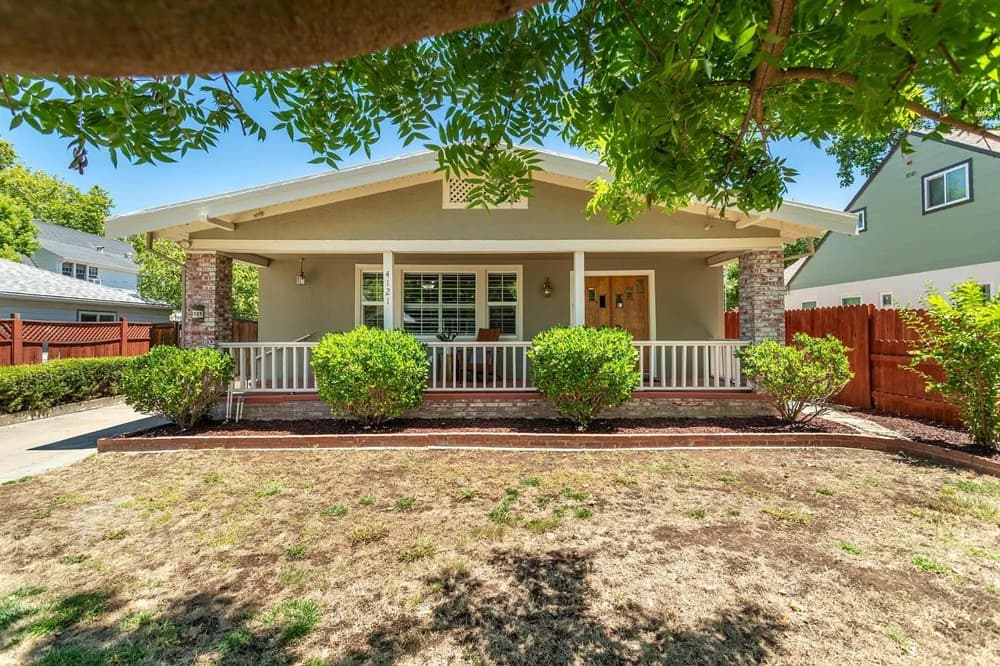

Vancouver, BC
In British Columbia, the best indoor-outdoor homes are designed so daily life can move easily between inside and out—with plans that account for wind and rain, privacy when the glass disappears, and outdoor comfort beyond peak summer. Here are the design moves that tend to matter most in luxury homes across the province.
Start With Openings That Actually Invite You Outside
A seamless indoor-outdoor space begins with how a home opens up. Large sliding doors and folding glass walls create the strongest effect, especially when they connect the main living area directly to a terrace. The key isn’t just size—it’s placement and orientation. The most livable homes put the biggest opening off the primary living zone, and pair it with weather-smart features—a sheltered overhang, a slightly recessed terrace, or a protected corner. Another nuance: if the view is the asset, the opening should frame it; if privacy is the concern, the opening should be paired with landscaping or screening that keeps the space comfortable when neighbors are close.
SUBSCRIBE TO THE HAVEN MAILING LIST
Curated homes, market intelligence and design stories — a few emails a month.
No spam. Unsubscribe any time.
Design Outdoor Areas Like Real Rooms
One oversized patio can feel unfinished because it doesn’t tell you how to use it. The homes that do this well usually create a few distinct zones—an outdoor living area, a dining spot, and a quiet corner. The nuance is that these zones work best when they’re separated subtly, not with hard partitions. A change in material underfoot, a pergola, a planter edge, or a low wall can define “rooms” without breaking the sense of openness. It also helps if one zone is protected—so there’s always somewhere that still feels good when the weather isn’t perfect or the sun drops early.
Make the Space Comfortable Beyond Peak Summer
In BC, indoor-outdoor living is often about extending the season, not just maximizing sunny weekends. Covered areas help, as do heaters, a fireplace or fire pit, and lighting that adds a warm ambiance to the area. But rather than recreating an indoor living room outside, homes emphasizing indoor-outdoor living should optimize the outdoor setting while removing the reasons people retreat indoors too quickly. Layered lighting matters here: a soft, ambient layer that makes the space feel inviting, plus task lighting where it’s actually needed. If the space works at night and in shoulder seasons, it truly becomes part of daily life.
Use Landscaping to Frame the Experience
Good landscaping is about shaping views, managing privacy, and making the transition from inside to outside feel finished. Native and region-appropriate plantings tend to look natural in BC settings and hold up well, but the landscape is enhanced with sightlines kept open where the view is the point, and density added where privacy matters. Small moves can do a lot—like a defined path that pulls you outward, a gravel border that gives the terrace a crisp edge, or a simple water feature placed where you can hear it from inside. Done well, landscaping makes the home feel quieter and more settled.
Keep Materials Cohesive So the Transition Feels Natural
The best-designed indoor-outdoor homes feel consistent in tone, but not identical. Carrying similar colors from inside to out, using complementary woods and stones, or repeating metal finishes in door frames, railings, and exterior lighting can make the home feel like one continuous environment. The nuance is that outdoor materials should feel like they belong outside. Instead of matching the interior exactly, luxury homes tend to “echo” it—same warmth, same palette, slightly more rugged texture outdoors. When that balance is right, the transition feels effortless.