The Harper | Pearl May
The world of interior design has witnessed a remarkable fusion in recent years, as two distinct yet harmonious philosophies have merged to create what is now known as Japandi design. This sophisticated aesthetic combines the minimalist principles of Japanese wabi-sabi with the cozy functionality of Scandinavian hygge, resulting in spaces that feel both serene and livable.
Japandi design emerged as a response to the desire for calmer, more restorative home environments, gaining wider recognition in the mid-to-late 2010s and attracting particular interest during the pandemic years. The style’s appeal lies in its ability to create spaces that feel both sophisticated and approachable, combining Japanese concepts of imperfection and impermanence with Scandinavian emphasis on comfort and functionality.
The movement gained traction as homeowners began prioritizing mental wellness and sustainable living practices. Unlike stark minimalism, Japandi design incorporates warmth through natural materials like wood, stone, and organic textiles, while maintaining the clean lines and uncluttered spaces that define both Japanese and Scandinavian aesthetics. This balance has contributed to its appeal among urban dwellers seeking tranquil, inviting spaces amidst the bustle of city life.
547 West 47th Street | Donna Dotan
SUBSCRIBE TO THE HAVEN MAILING LIST
Curated homes, market intelligence and design stories — a few emails a month.
No spam. Unsubscribe any time.
Japandi Meets Manhattan
New York City’s luxury real estate market has embraced Japandi design with remarkable enthusiasm, recognizing its ability to transform urban living spaces into peaceful sanctuaries. The trend’s emphasis on natural light, organic materials, and thoughtful spatial planning aligns with the needs of discerning city residents who value both style and tranquility. See a few examples below:
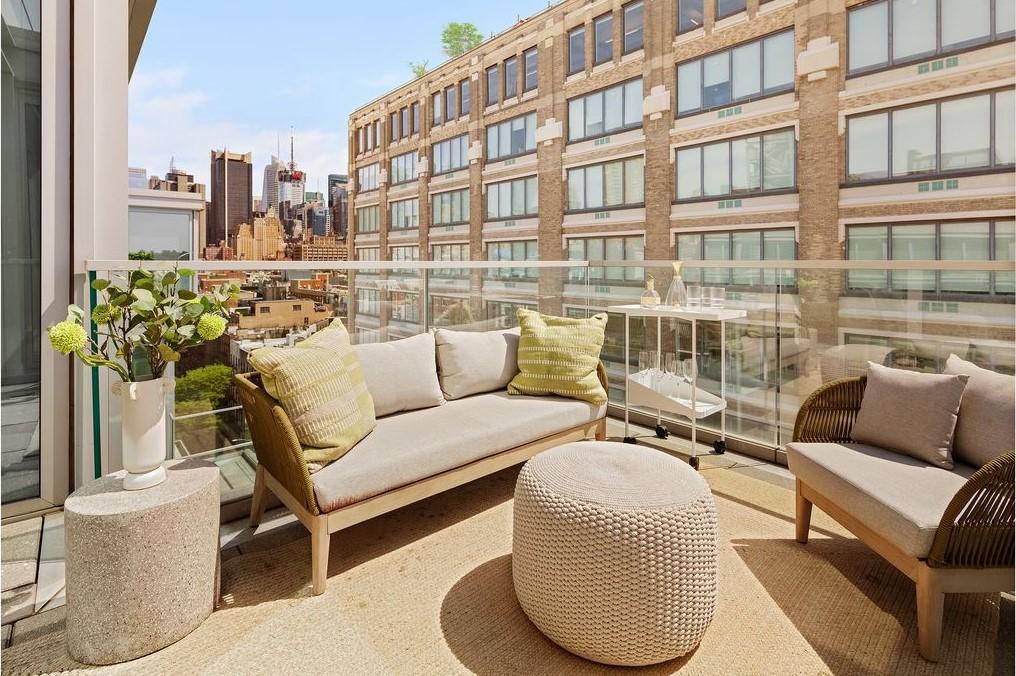
547 West 47th Street: On Manhattan’s West Side, Dutch design firm Concrete has created a luxury condominium with 219 residences ranging from studios to two-bedrooms. Penthouse 8 reflects Japandi design through its calming palette, clean lines, and natural textures, layered with organic elements and warm wood tones. Each room connects seamlessly to private outdoor areas, embodying Japandi’s principle of blending nature with urban living.
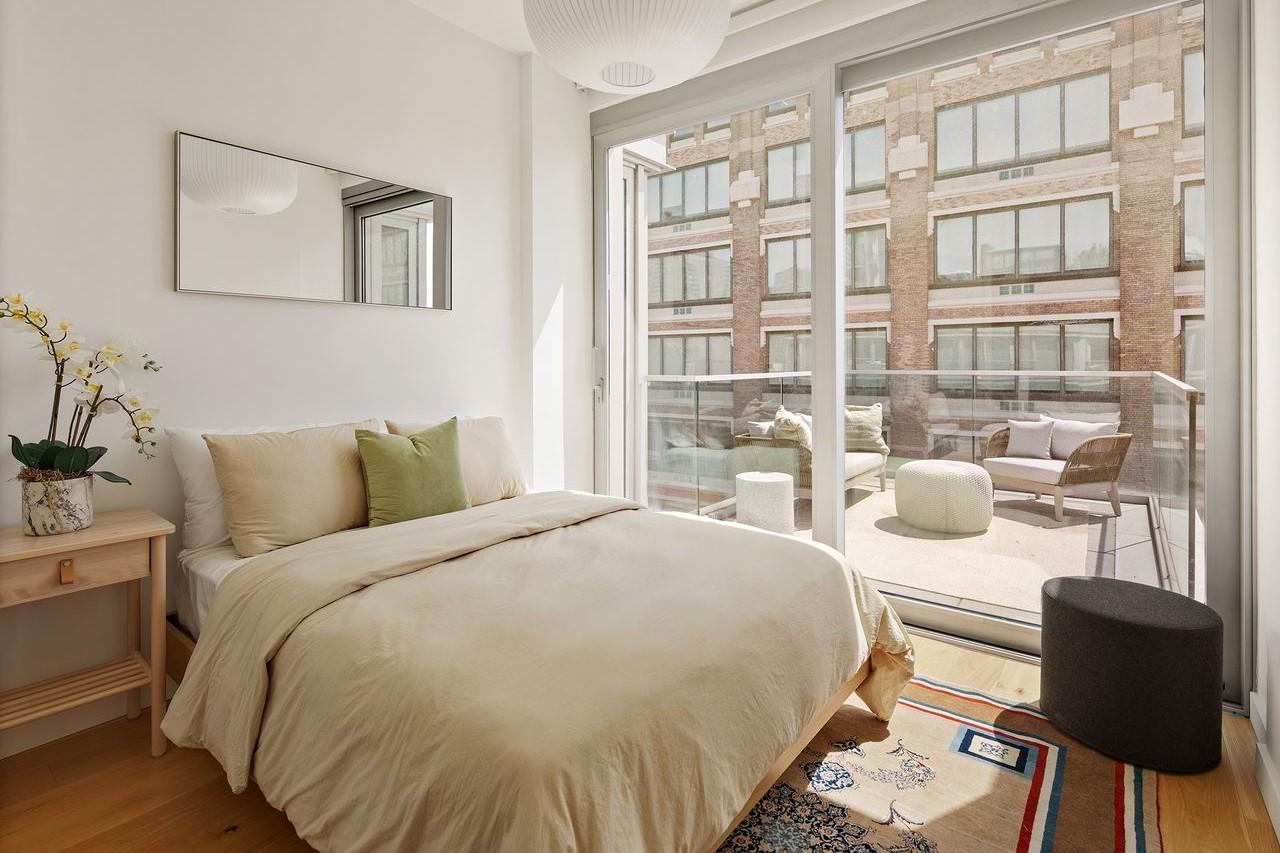
547 West 47th Street | Donna Dotan
720 West End Avenue: This Emery Roth–designed pre-war building has been reimagined into 131 residences by designer Thomas Juul-Hansen. The interiors blend classic city living with Japandi-inspired touches like white oak cabinetry, natural stone, and minimalist warmth. One furnished home highlights the style with textured wallcoverings, low wooden furniture, and refined accents, showcasing Japandi’s serene balance of simplicity and sophistication.
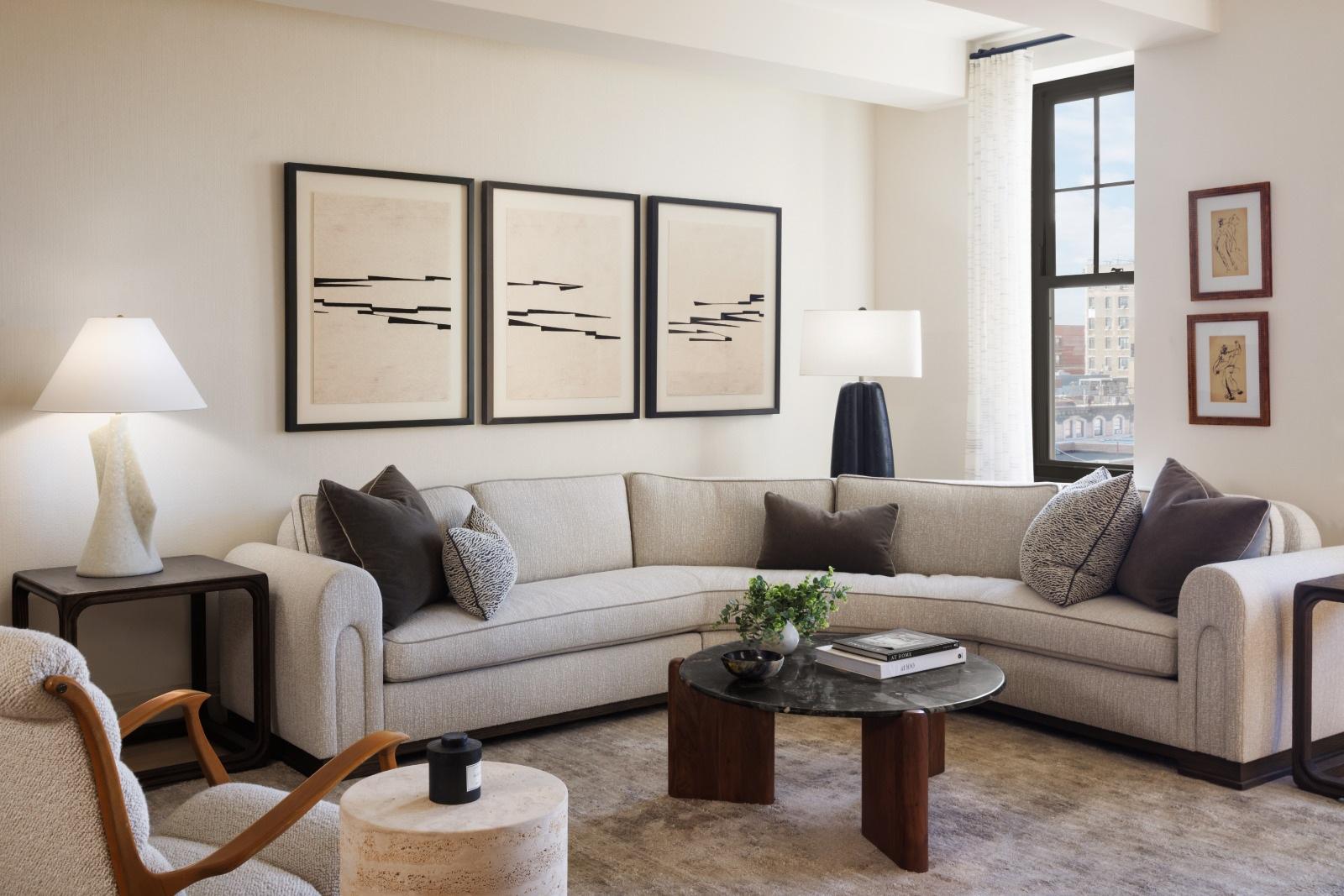
720 West End Avenue | Colin Miller
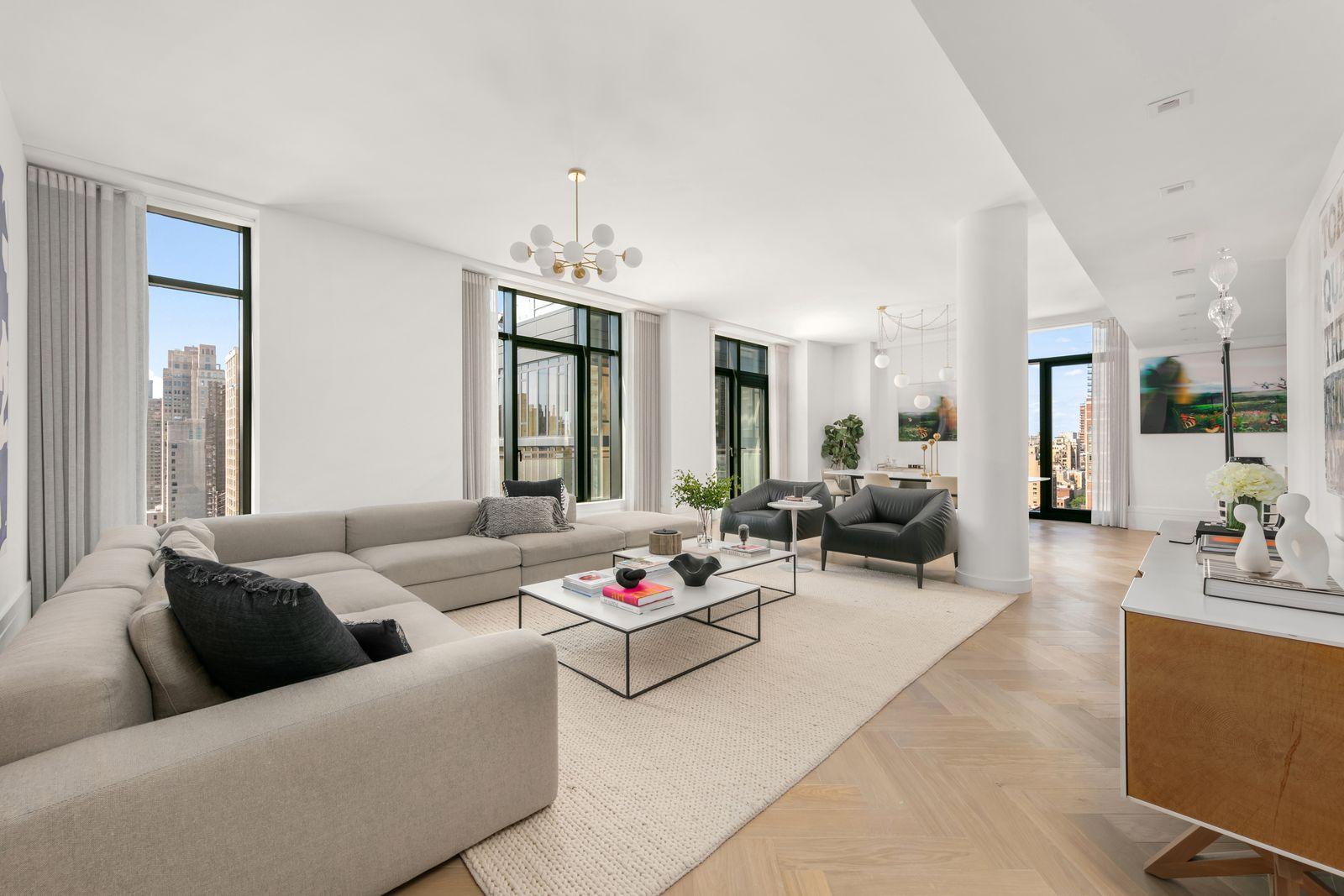
The Harper: This condominium offers a modern take on city living with two- to four-bedroom homes designed around Japandi principles. Flexible layouts emphasize natural light through oversized windows and private outdoor spaces, while marble, limestone, and wide-plank herringbone floors create a refined yet livable feel. The neutral palette and clean design foster calm, intentional family living.
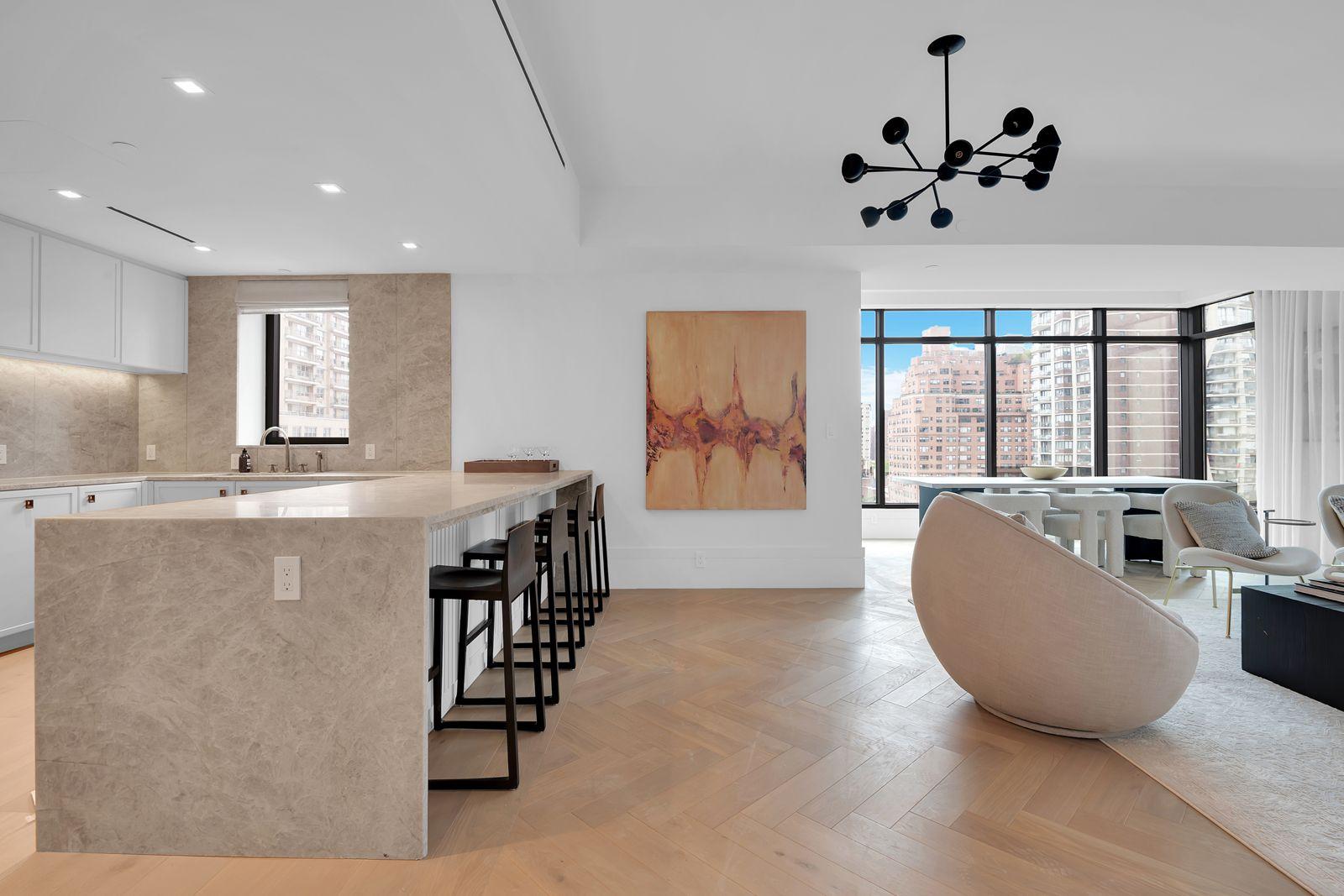
The Harper | Pearl May
The Perrie: In Midtown’s Turtle Bay, The Perrie introduces 95 one-bedroom residences tailored for modern living. Open kitchens, oak flooring, and expansive windows with glass doors highlight natural light, with most homes featuring private balconies and city views. New Japandi-inspired models add minimalist furniture, wood accents, and soft shapes for warm, timeless interiors.
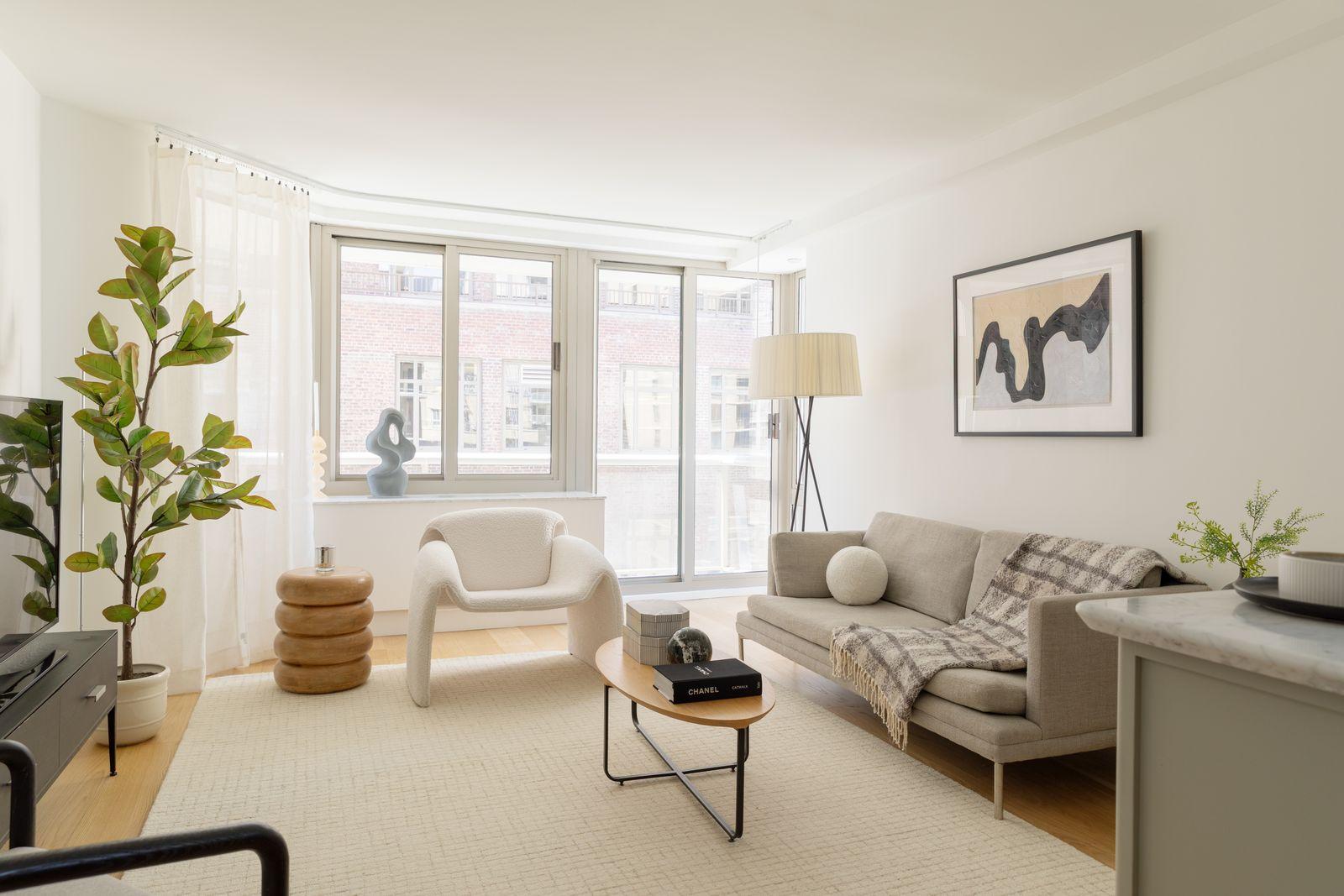
The Perrie | Nicholas Venezia
The Future of Japandi Design
As the year progresses, Japandi design continues to evolve while maintaining its core principles of simplicity, functionality, and natural beauty. The trend is increasingly incorporating biophilic design elements, with greater emphasis on living plants, natural ventilation, and sustainable materials. Technology integration is becoming more seamless and invisible, aligning with Japandi’s preference for uncluttered spaces.
The movement toward wellness-focused living spaces shows no signs of slowing, with developers and designers recognizing that modern luxury means creating environments that support mental and physical well-being. In New York’s competitive real estate market, Japandi design has proven its staying power by offering residents not just beautiful spaces, but sanctuaries that provide respite from urban intensity while maintaining sophisticated style.
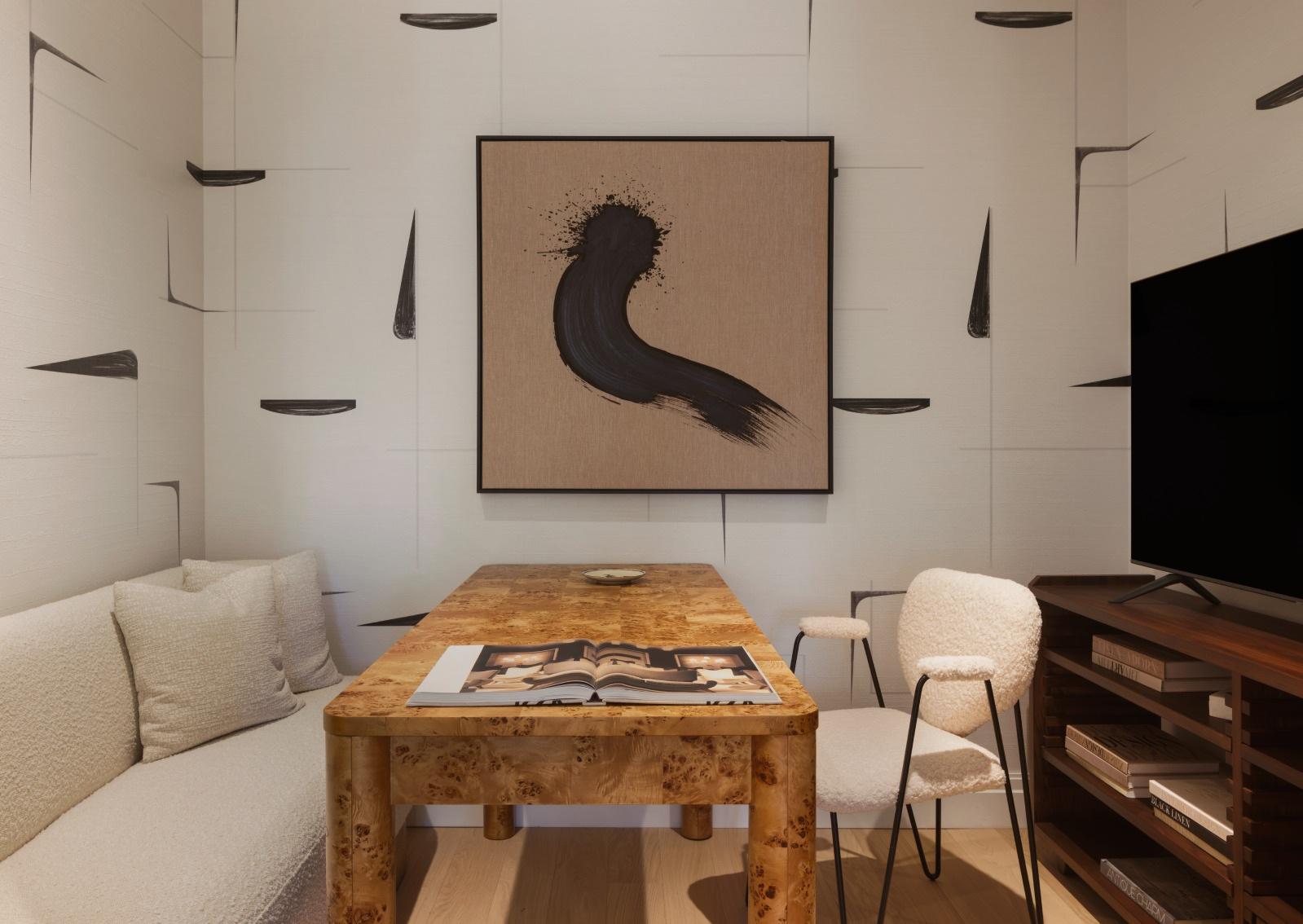
720 West End Avenue | Colin Miller