200 East 75th Street | DBOX
Fireplace design has quietly but meaningfully shifted in recent years, becoming an architectural element defined by materiality, proportion, and craftsmanship rather than ornament or nostalgia. Designers across luxury residential projects are approaching the hearth with a level of precision that treats it as part of the architectural language of a room—not an accessory added at the end.
According to Elizabeth Graziolo, Founder and Principal of Yellow House Architects, the most notable change is the move toward fully custom solutions. “Instead of relying on traditional, off-the-shelf mantels,” she notes, designers are now “approaching the design of the fireplace, its mantel and hearth as a fully custom architectural element…tailored to the specific design language of the space.” Graziolo describes this shift as treating the fireplace with “the same level of intention as other major architectural features.”
200 East 75th Street | DBOX
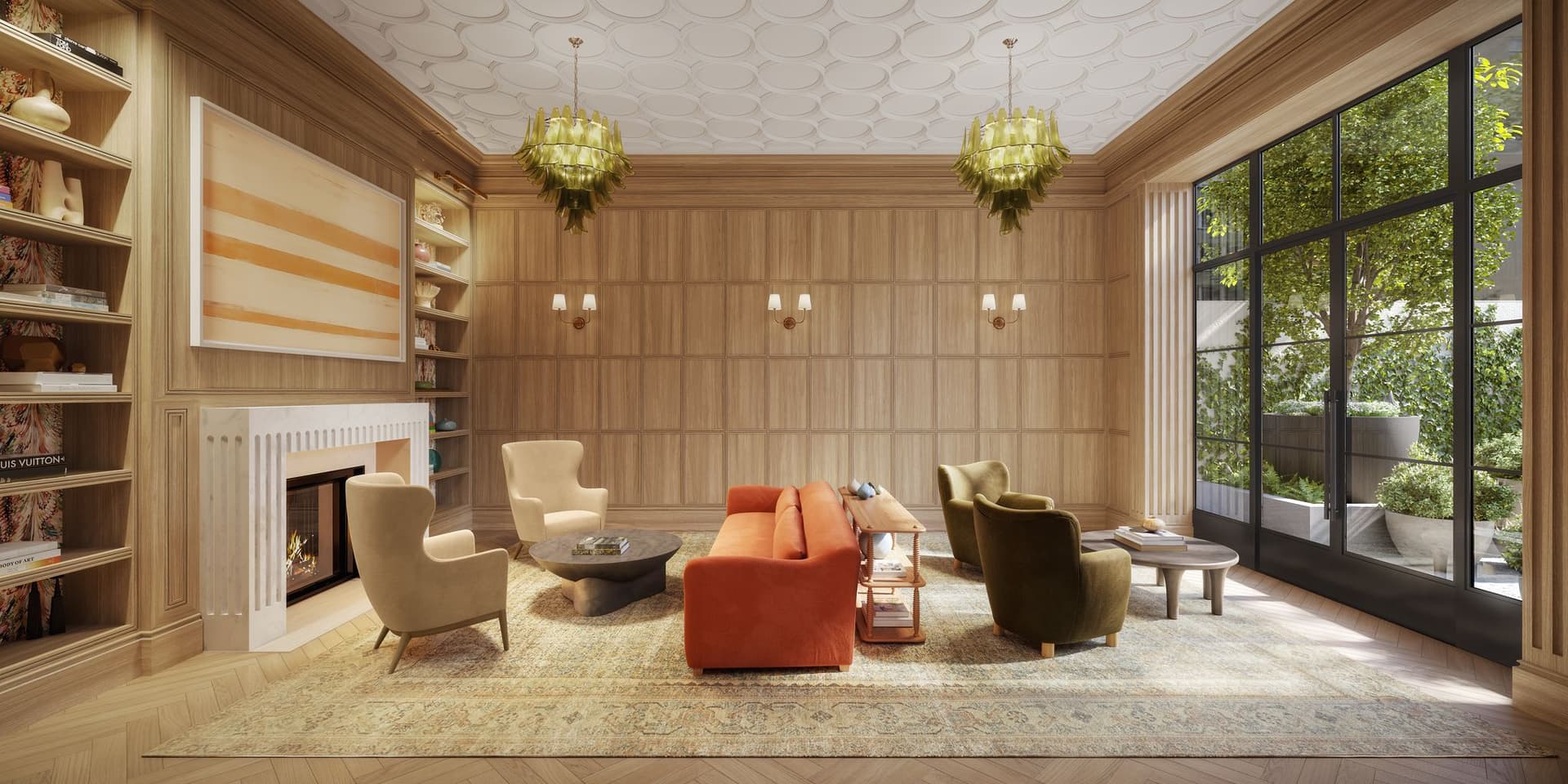
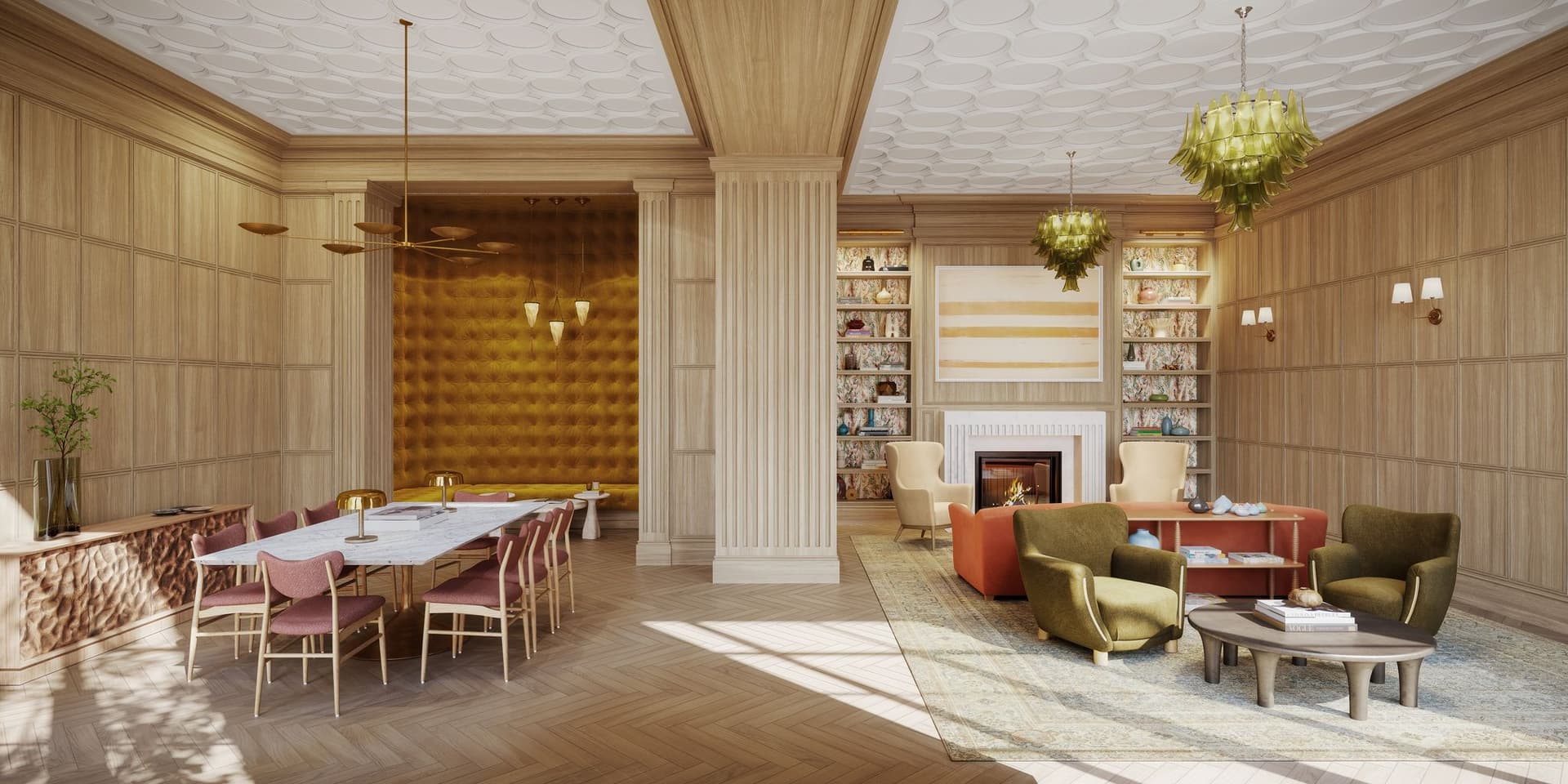
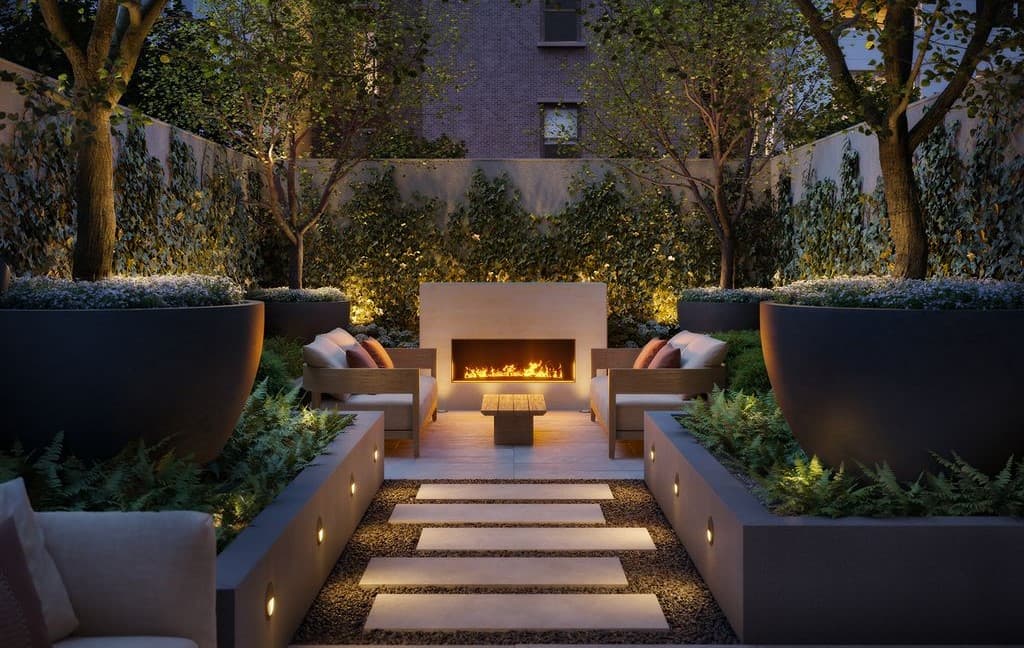
A variety of New York City residential developments illustrate this approach. In the amenity lounge at 200 East 75th Street, Yellow House Architects designed a fluted plaster fireplace integrated directly into the room’s traditional paneling, allowing the fireplace to feel inherent to the architecture rather than layered on top. Graziolo explains that because their team guided the scale and detailing from the outset, the final result “feels entirely unique to the space.” The building’s garden extends the idea outdoors with a sculptural exterior fireplace—an example she points to as the kind of early-design integration she expects to see more of.
200 East 75th Street | DBOX
SUBSCRIBE TO THE HAVEN MAILING LIST
Curated homes, market intelligence and design stories — a few emails a month.
No spam. Unsubscribe any time.
Materiality is also shaping how fireplaces contribute to residential environments. In Gramercy, The Willow features a travertine-block fireplace by Rockwell Group that reads as both a functional hearth and a sculptural installation. Brad Zuger, Partner at Rockwell Group, says the team saw it “as both a gathering place and a work of art,” adding that its sculpted form “anchors the Hearth Room” and naturally draws residents together. For Zuger, the appeal is rooted in the sensory experience: “Fireplaces have an inherent pull, and they feel particularly luxurious in urban environments…They invite people to slow down and connect.”
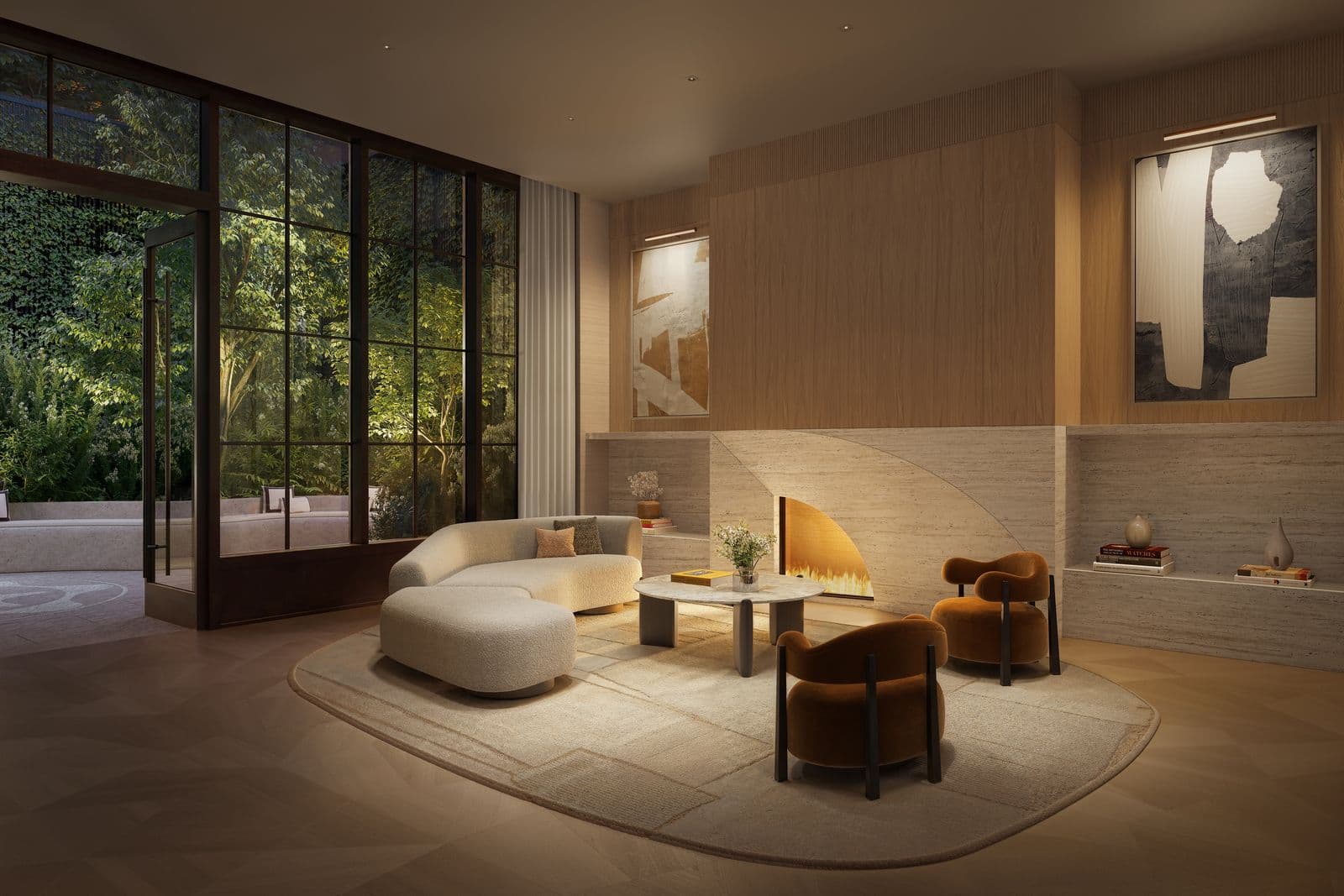
The Willow | Naftali Group
Other recent developments, including The Henry on the Upper West Side, reflect this same sensibility through custom marble mantelpieces and closely detailed millwork that emphasize permanence and clarity of form. Whether expressed through carved stone, plaster, or stacked natural materials, the underlying intent is consistent: fireplaces are being designed as spatial anchors, not decorative afterthoughts.
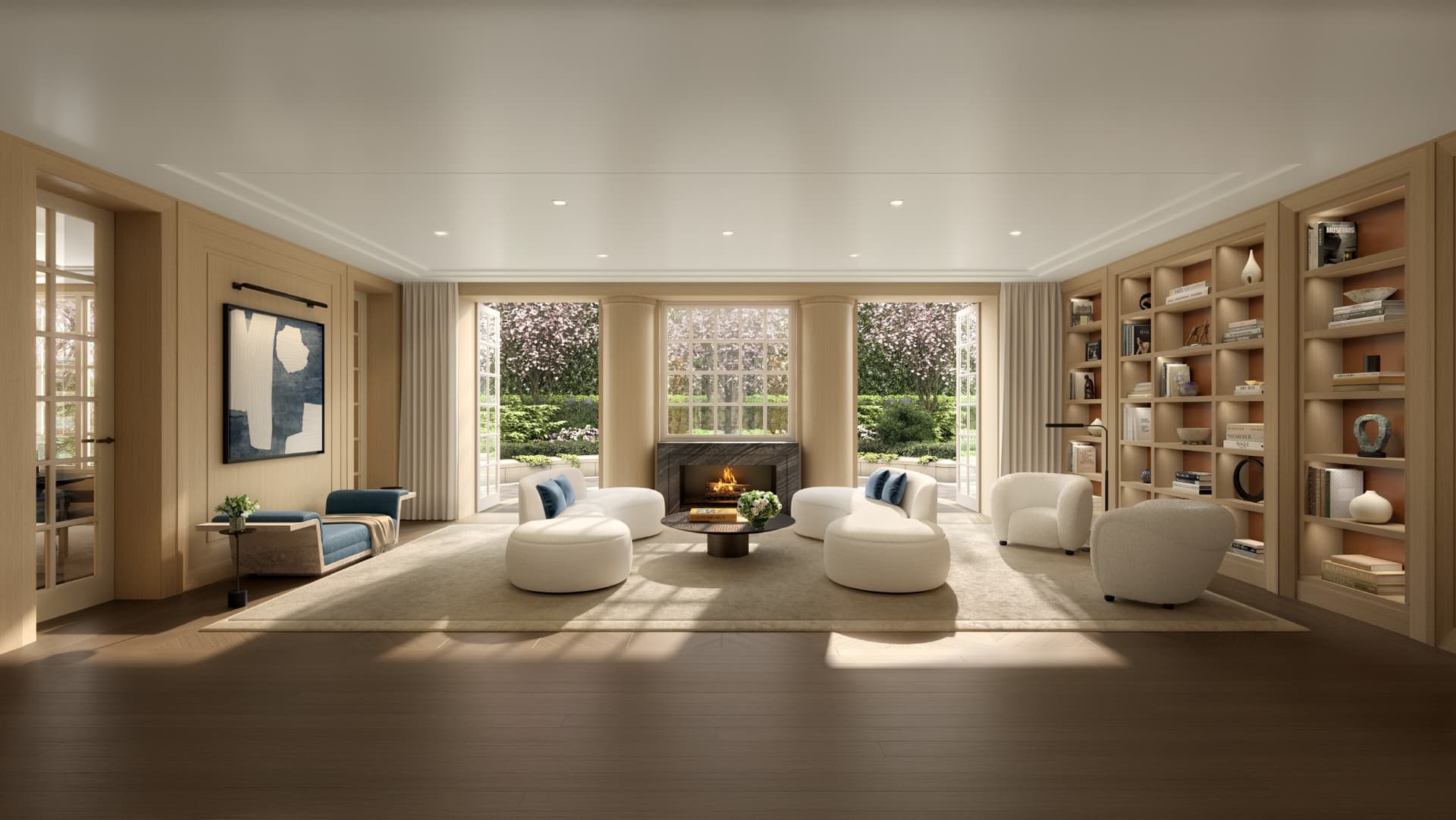
The Henry | Naftali Group
Looking ahead, Graziolo anticipates more deliberate integration of fireplaces in the earliest stages of planning. She sees future designs “continuing to evolve toward greater innovative design,” becoming “part of the conversation from the very beginning as a true design moment or experience.” This early focus allows the hearth to play either a quiet, cohesive role within a room’s architecture or a more sculptural, standalone one.
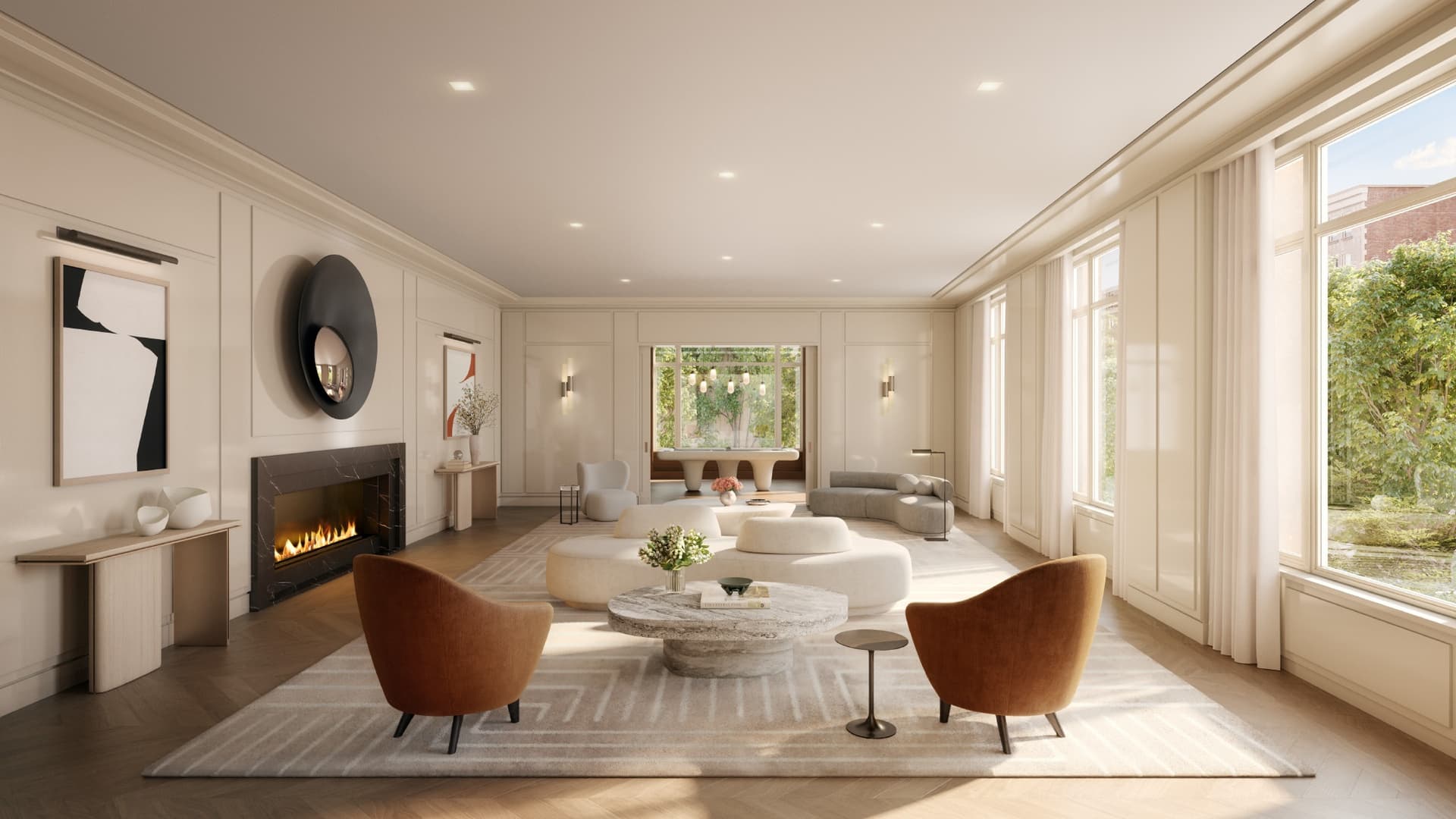
The Henry | Naftali Group
Taken together, these shifts point to a broader, understated trend: the modern fireplace is less about spectacle and more about atmosphere, proportion, and the way people gather in a space. As designers refine how hearths function within both private residences and communal amenity environments, the fireplace remains a steady architectural tool—one that brings clarity, material richness, and a subtle sense of calm to contemporary living.