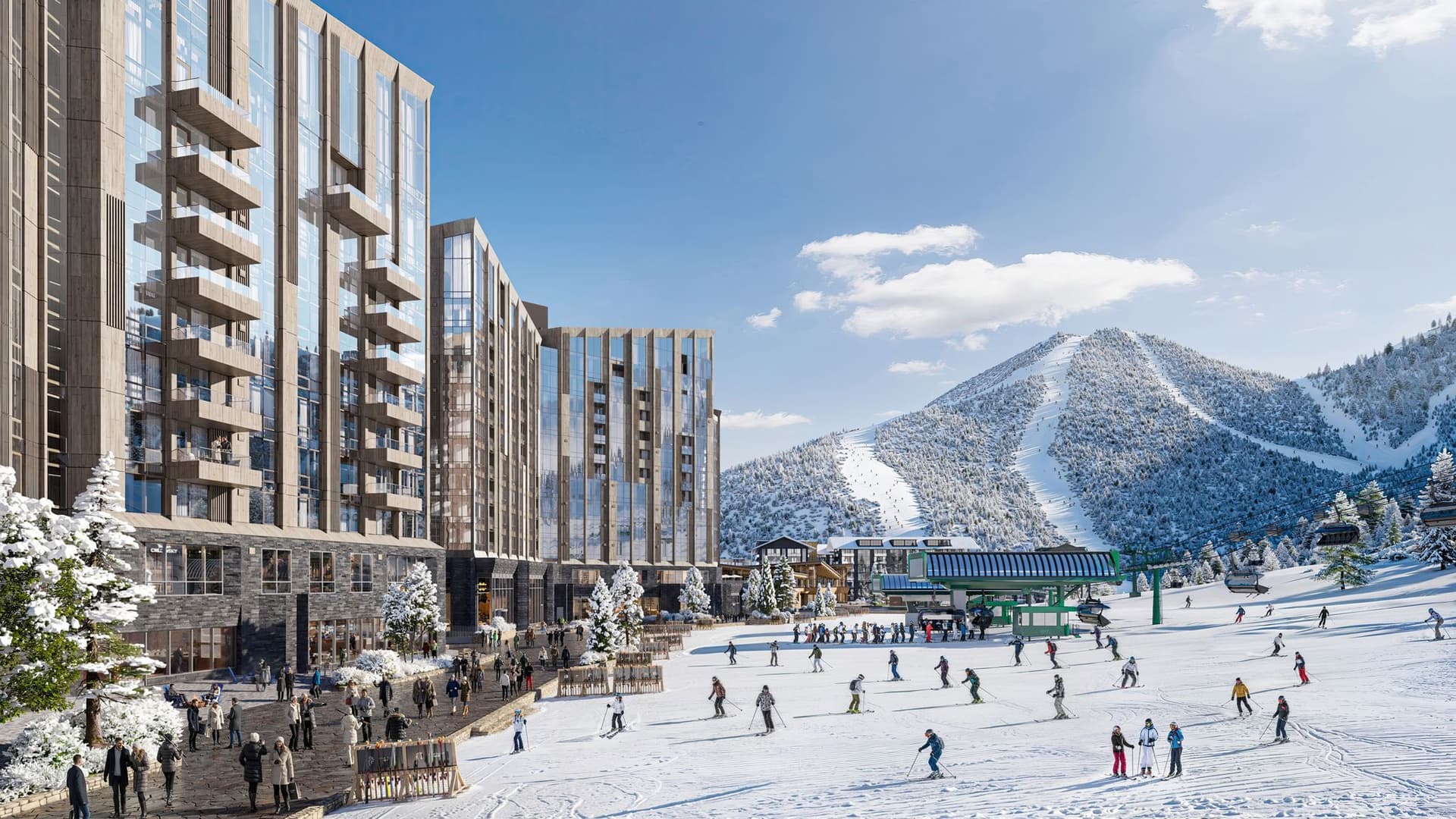
Deer Valley East Village | Courtesy of Extell Development Company
On paper, après-ski has always been about softening the edges of a hard day—boots kicked off, cheeks still wind-burned, a drink in hand. But at many luxury resorts, the post-slope ritual is being rewritten to maintain the relaxing aspect of a long day of skiing while further prioritizing care, longevity, and performance. Recovery has become a centerpiece of the mountain experience, and hydrotherapy is increasingly the language resorts use to deliver it.
That shift is partly cultural. Wellness has moved from niche pursuit to mainstream luxury signal, and mountain destinations are particularly suited to it. Knight Frank’s Alpine sentiment research has pointed to wellness as a top lifestyle priority for Alpine buyers in Europe—ranking above skiing and snowboarding in its survey framing—underscoring how “after the slopes” is becoming central to the appeal of mountain living. Also, the Global Wellness Institute reported the global wellness economy reached $6.8 trillion from 2023 to 2024, and forecast it to rise to $9.8 trillion by 2029, a scale that helps explain why luxury hospitality is treating recovery experiences as essential infrastructure.
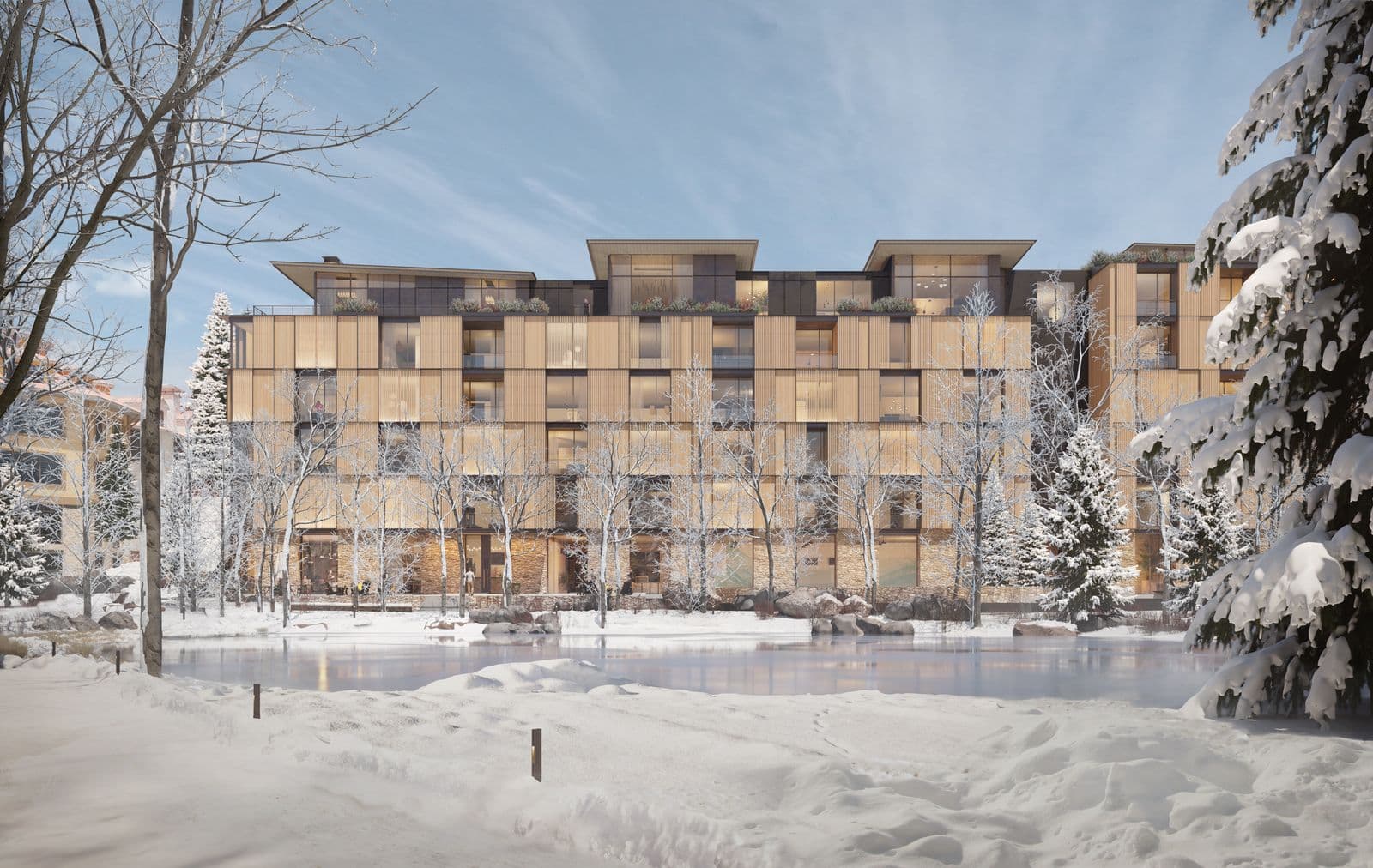
Four Seasons Resort and Residences Telluride | VERO
For mountain towns, the logic is also uniquely practical. Dev Motwani, President and CEO of Merrimac Ventures and a co-developer of Four Seasons Resort and Residences Telluride, alongside Fort Partners, has explained that wellness is baked into high-altitude life—recovery is seen more like a daily need that makes mountain living more comfortable and sustainable over time. In that view, the industry has simply caught up to what mountain communities have long practiced. As Motwani put it, “today it’s no longer an added luxury — it’s a fundamental part of the experience.”
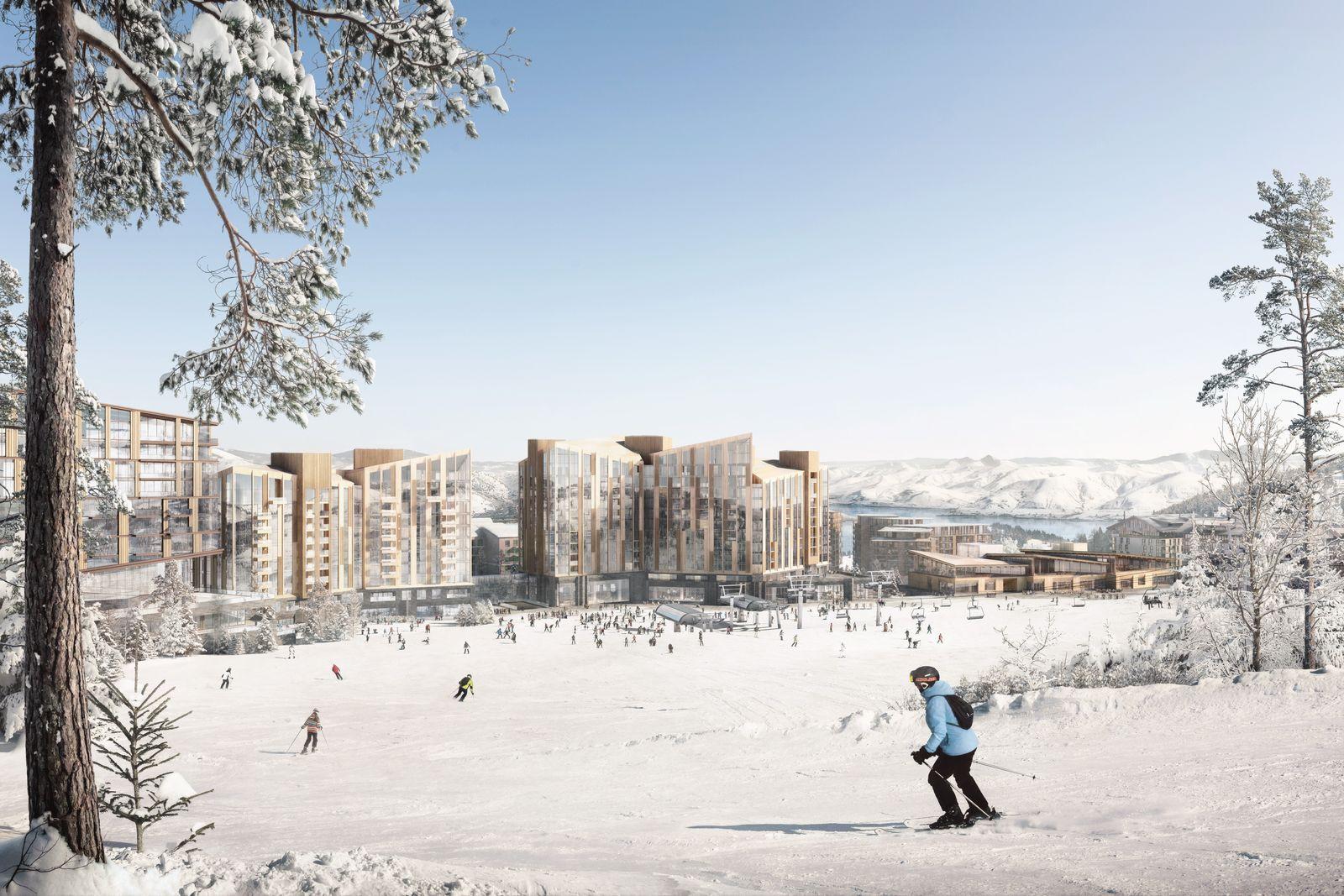
Deer Valley East Village | Courtesy of Extell Development Company
SUBSCRIBE TO THE HAVEN MAILING LIST
Curated homes, market intelligence and design stories — a few emails a month.
No spam. Unsubscribe any time.
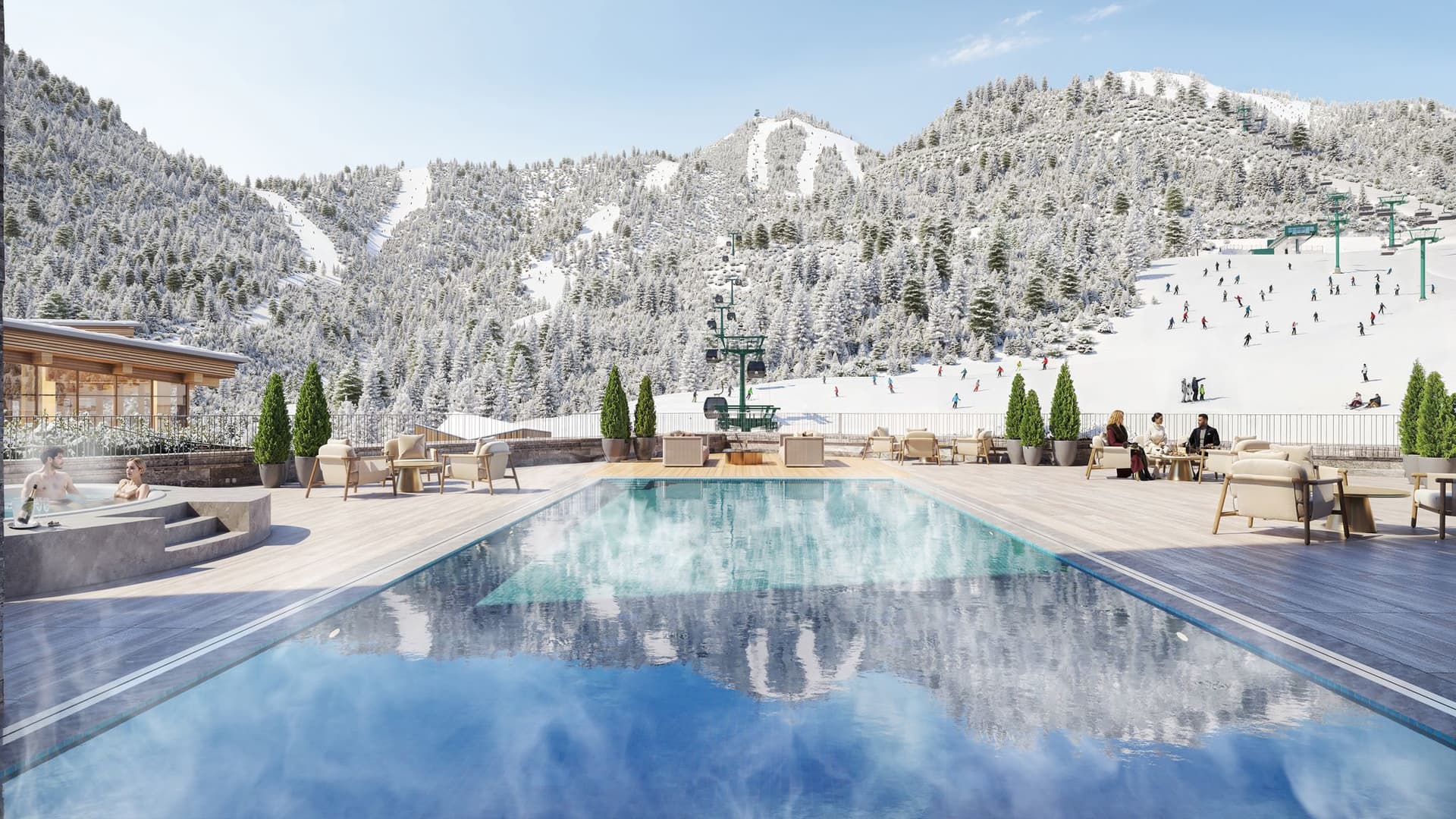
Hydrotherapy—broadly, the use of water for therapeutic effect, often through temperature contrast and immersion—has deep roots, from communal bathing cultures to modern spa traditions. Medical historians have written about Roman bathing as both social ritual and recuperation practice, with hot, warm, and cold bathing used for restoration and relief. What’s different now is that hydrotherapy is being designed into the highest tier of ski hospitality.

Deer Valley East Village | Courtesy of Extell Development Company
Luxury ski resorts have always had hot tubs, but now they have spaces catered toward the “circuit,” the intentional sequence—heat, cold, rest—designed as an experience. The best versions feel less like a gym add-on and more like high-end architecture: quiet rooms with subdued lighting, thermal transitions, and spaces designed for decompression as much as recovery.
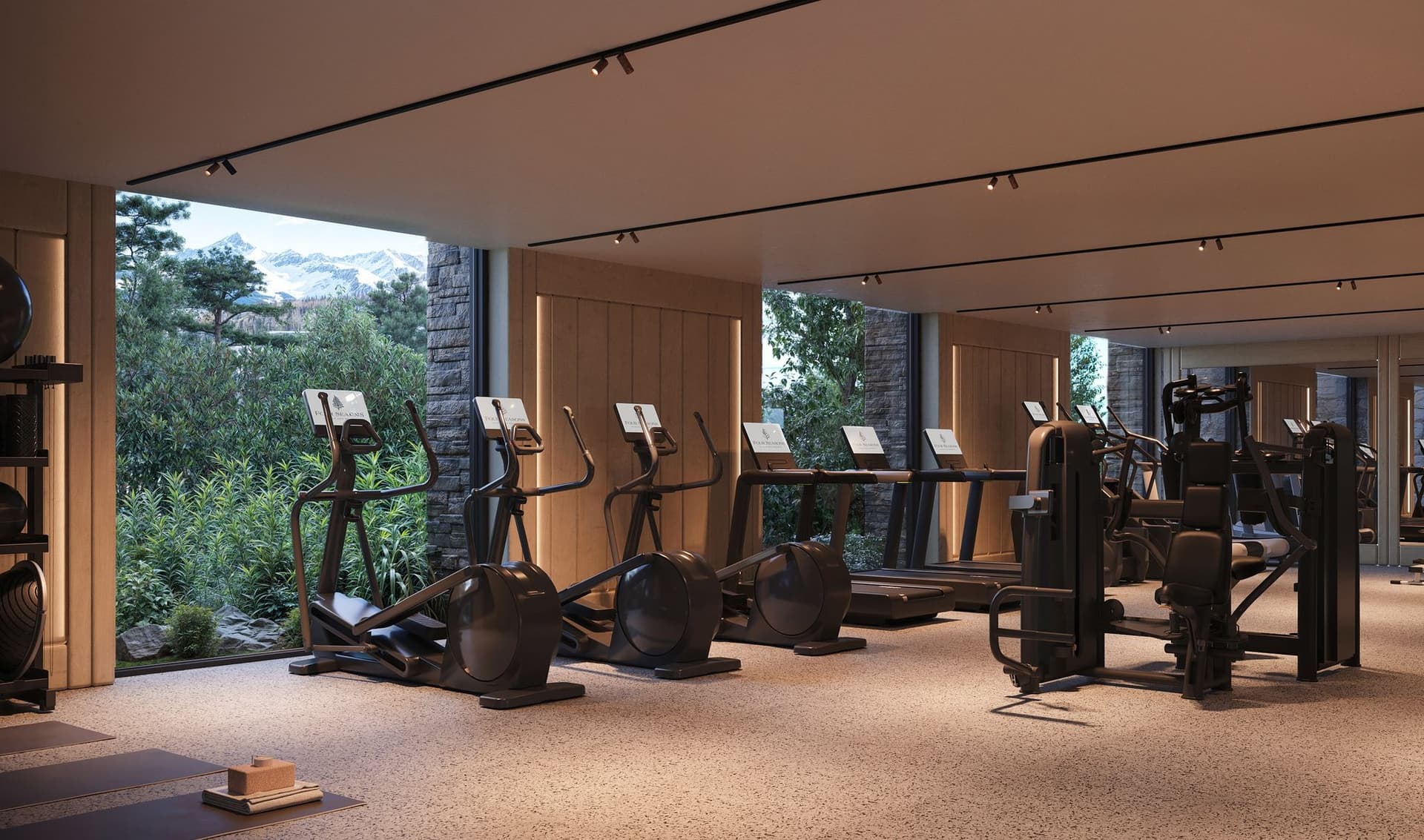
Four Seasons Resort and Residences Telluride | Binyan Studios
New development is helping accelerate this, because wellness spaces are easiest to build when they’re part of the original plan—not retrofitted into leftover square footage. Motwani has described Telluride’s approach as designing wellness from the ground up, letting the mountain environment shape both layout and programming. The emphasis, according to him, is delivering wellness infrastructure at multiple scales—from a thermal suite and restoration-focused spaces to in-residence convenience that allows owners to access treatments without leaving home.


Deer Valley East Village | Courtesy of Extell Development Company
That same philosophy is shaping Deer Valley East Village in Park City, UT. Developed by Extell, in partnership with Alterra Mountain Company, this is where wellness is being positioned as a year-round lifestyle rather than a single destination within the resort. Sheila Hall, who leads sales at Deer Valley East Village on behalf of Summit Sotheby’s International Realty, describes wellness as central to how luxury buyers now define quality of life—less about occasional pampering, more about having the energy to stay engaged in the time that matters. Mountain towns naturally support that, she notes, because the lifestyle is built around movement, time outdoors, and an everyday connection to nature.

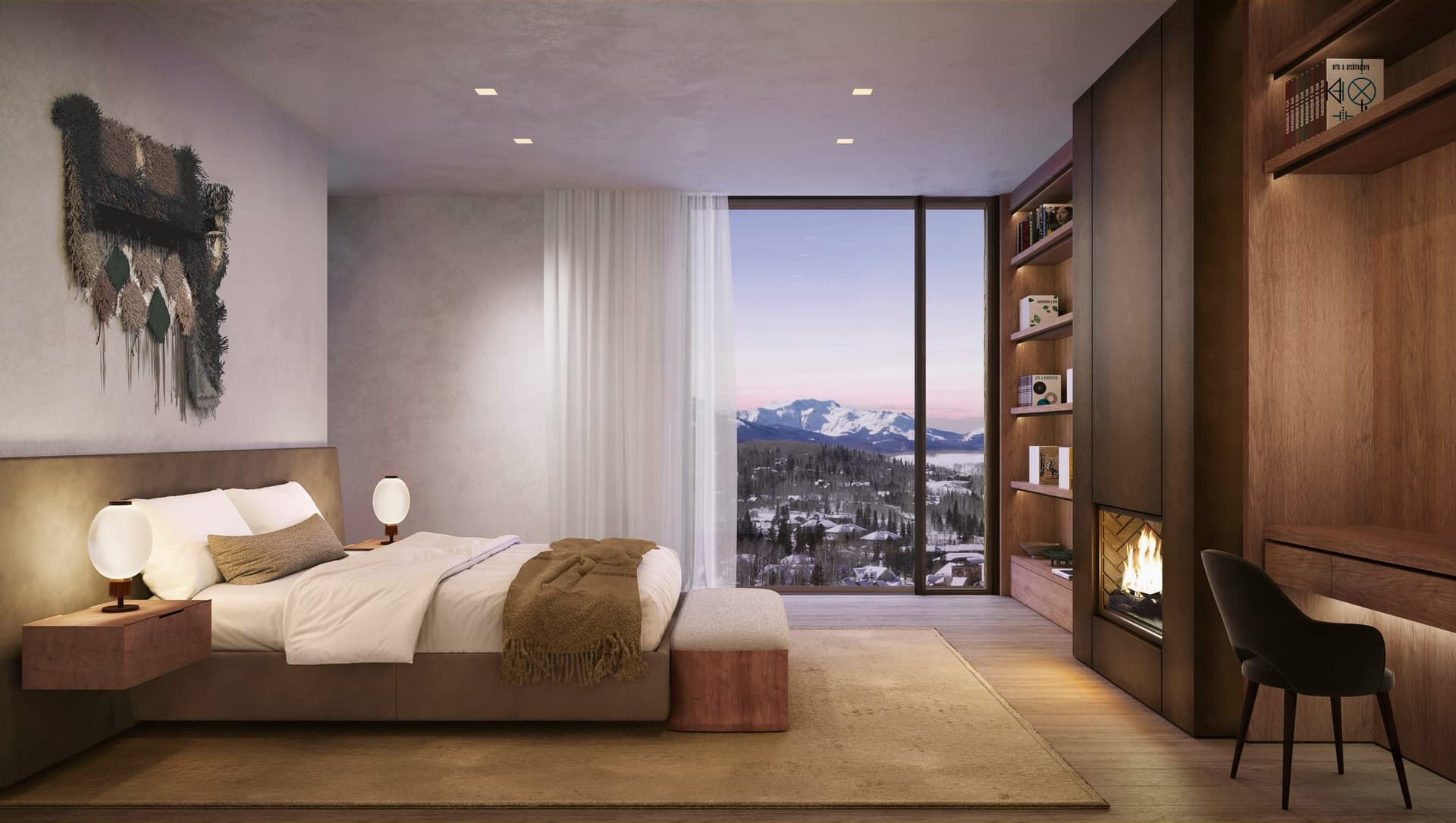
Four Seasons Resort and Residences Telluride | Hayes Davidson
The incoming Four Seasons Resort and Residences Telluride will have a spa with a thermal lounge, cold plunge, and eight treatment rooms—positioning recovery as a core part of the offering. Four Seasons Resort and Residences Deer Valley East Village will have a variety of wellness amenities including saunas, steam rooms, and whirlpools.
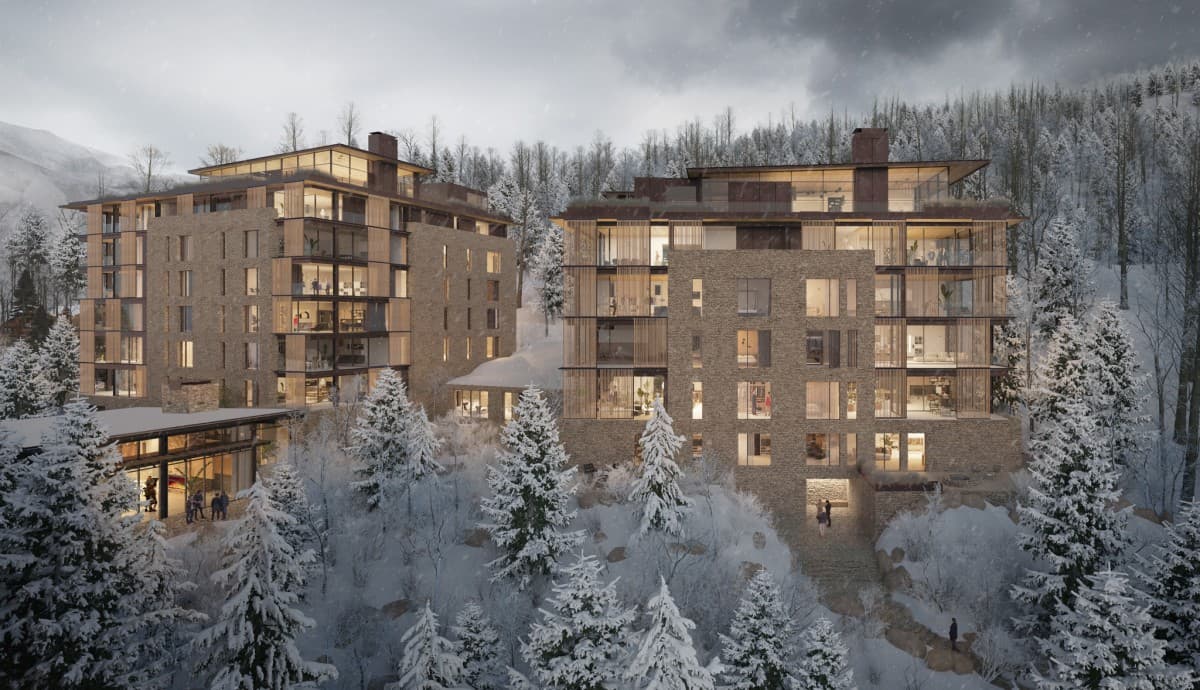
Four Seasons Resort and Residences Telluride | VERO
Hall has said the East Village vision is to make wellness feel “effortless and natural,” with residents able to move easily between restoration and recreation. According to her, that is achieved not only through spa and recovery offerings, but through planning that keeps activity integrated into daily life—ski-in/ski-out access in winter, trails when the snow melts, and water time on the Jordanelle paired with hospitality, dining, retail, and programming. The goal is an alpine community where wellness is embedded in how residents live. And in relation to real estate, when wellness is built into both amenities and planning, the mountain home functions as a lifestyle asset across seasons.


Deer Valley East Village | Courtesy of Extell Development Company
The rise of hydrotherapy and other wellness-focused amenities at luxury ski resorts is redefining what the “complete” mountain experience looks like. Guests still care about snow quality, lifts, terrain, and service. But increasingly, they also care about whether the resort offers amenities that provide a kind of restoration that matches the effort.