As we move toward 2026, the design world is embracing a warmer, more intentional approach to interiors. The prevailing trends reflect a desire for spaces that feel personal, lived-in, and supportive of wellbeing—marking a continued departure from the stark minimalism of previous years. Below are five key trends expected to shape 2026 and thoughtful ways to bring them into your home.
1. Soft, Sculptural Forms and Curved Silhouettes
Designers are continuing to move away from rigid, angular furniture toward pieces with softer, sculptural profiles. This trend celebrates rounded edges on sofas, chairs, and even architectural elements like archways and alcoves.
To implement this trend, consider replacing sharp-cornered furniture with pieces featuring gentle curves. A curved sectional can serve as a focal point, while rounded side tables and ottomans help soften the room’s visual edges. Even architectural details matter—curved doorways or rounded shelving units add visual interest without overwhelming a space. The beauty of this trend lies in its ability to make homes feel more approachable and comfortable.
SUBSCRIBE TO THE HAVEN MAILING LIST
Curated homes, market intelligence and design stories — a few emails a month.
No spam. Unsubscribe any time.
2. Warm Neutrals and Earthy Accents
The color palette for 2026 is moving toward warmer, richer neutrals that feel grounded and sophisticated. Think creams, warm beiges, soft terracottas, and muted ochres rather than stark whites and cool grays. These tones create a sense of calm while maintaining visual depth.
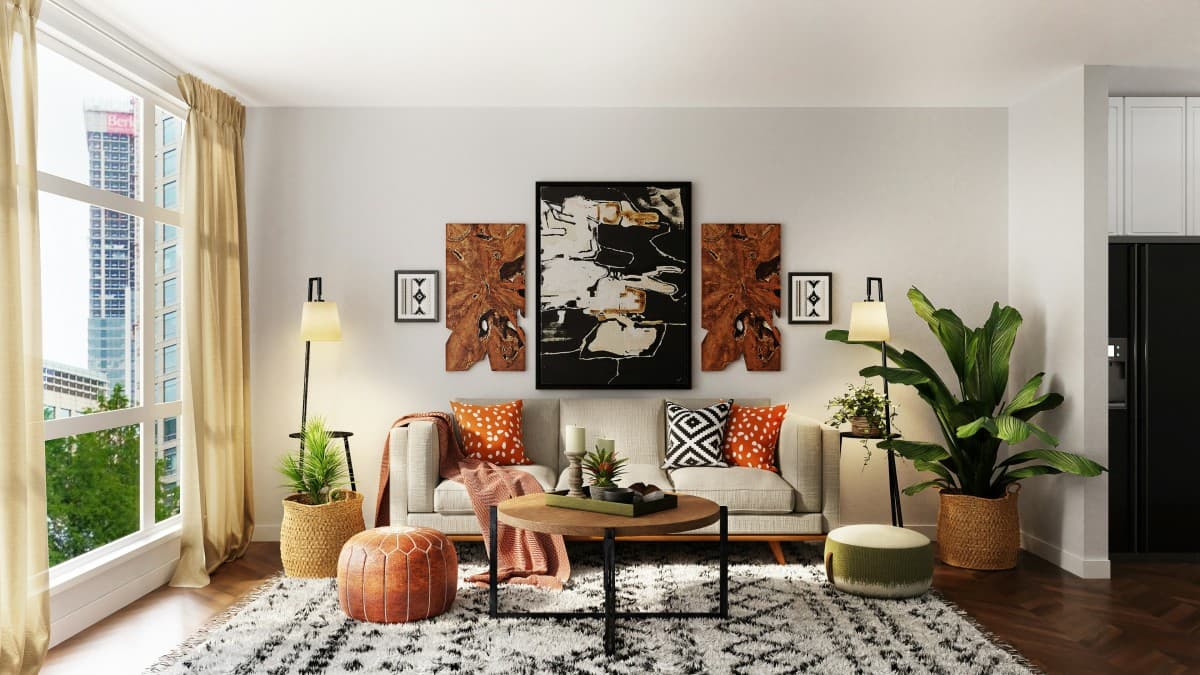
Layer warm neutrals throughout your home by painting walls in soft, earthy tones and selecting furnishings in complementary shades. Introduce natural materials like wood, linen, and wool to enhance the warmth. Accent walls in deeper earth tones—such as warm taupe or soft rust—add dimension without feeling heavy. This approach creates a cohesive, soothing environment that feels both timeless and current.
3. In-Home Wellness Environments
As wellness-focused design remains a priority, dedicated wellness areas are emerging as a key trend. This goes beyond a simple yoga mat in the corner—it’s about creating intentional zones designed for relaxation, meditation, and self-care.
Designate a specific area in your home for wellness activities, whether it’s a meditation nook by a window, a spa-like bathroom with soft lighting and natural materials, or a quiet reading corner. Incorporate elements like soft lighting, plants, natural textures, and calming color palettes. Consider adding features such as a soaking tub, a meditation cushion area, or a small indoor garden.These spaces function as small sanctuaries within the home, promoting mental and physical wellbeing.
4. Textured and Tactile Surfaces
Texture is emerging as a defining focus for 2026, moving beyond visual appeal to engage the sense of touch. Layered textures create depth and interest while making spaces feel more inviting and lived-in. Think woven wall hangings, chunky knits, natural stone, and tactile wallpapers.
Mix and match textures throughout your home by combining smooth surfaces with rough ones, soft materials with harder finishes. A textured accent wall, layered rugs, or tactile throw pillows add dimension to any room. Natural materials like jute, linen, and raw wood enhance this trend authentically. The key is balance—too many competing textures can feel chaotic, while thoughtful layering creates visual and tactile richness.
5. Closed Floor Plans and Defined Spaces
After a long era of open-concept living, many homeowners and designers are gravitating back toward more defined, enclosed spaces.This shift reflects a growing desire for privacy, acoustic comfort, and clearer separation of daily activities. Closed floor plans allow for more intentional room design and create distinct atmospheres for different activities.
If you’re working with an open layout, consider creating defined zones through strategic furniture placement, area rugs, or partial walls and sliding doors. Closed-off home offices, separate dining rooms, and distinct living areas are becoming desirable again. This trend doesn’t necessarily require structural changes—sometimes thoughtful design choices can create the feeling of separate, purposeful spaces within a larger footprint.