Iowa
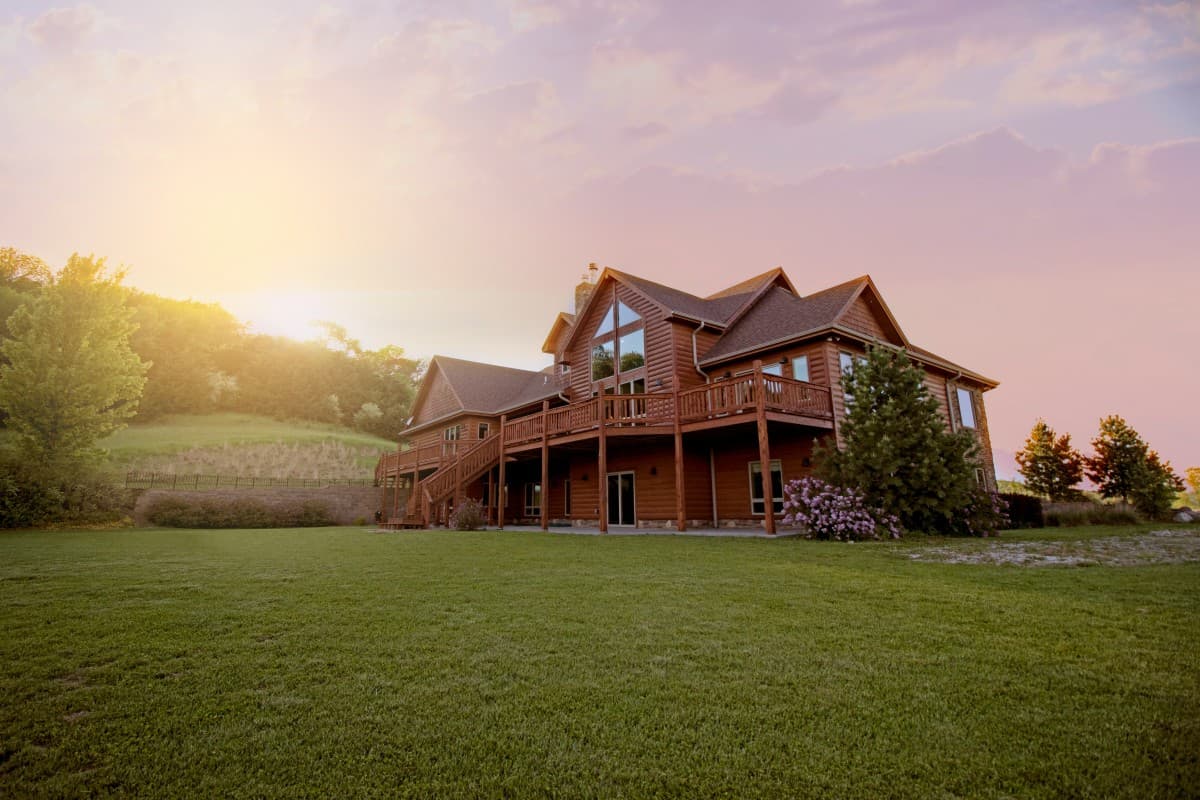
The Midwest country estate has long embodied a particular kind of understated elegance—one that respects the landscape while celebrating refined living. Here are the five design trends defining luxury estates across the Midwest this year.
1. Warm, Earthy Neutrals and Richer Color Palettes
Gone are the days of cool grays dominating luxury interiors. The current trend favors warm, earthy tones—warm whites, soft taupes, creams, and gentle ochres—paired with deeper, more saturated accent colors. Think moody forest greens, warm terracottas, and sophisticated charcoal tones that create visual depth without feeling cold or sterile.
For homeowners wanting to implement this trend, begin by evaluating your existing palette and gradually introducing warmer undertones through paint, textiles, and furnishings. Consider accent walls in a deeper hue in key gathering spaces like the library or dining room. Layer in warm-toned artwork and upholstery to create a cohesive, inviting atmosphere that feels both timeless and current.
SUBSCRIBE TO THE HAVEN MAILING LIST
Curated homes, market intelligence and design stories — a few emails a month.
No spam. Unsubscribe any time.
2. Elevated Natural Materials and Honest Texture
Luxury design is moving toward authenticity in materials. Darker woods, natural stone, raw brick, and textured plasters are replacing polished, uniform finishes. These materials celebrate their origins—visible grain, natural variations, and tactile surfaces that invite touch.
To adopt this trend, source reclaimed or sustainably harvested wood for flooring, cabinetry, or architectural elements. Incorporate natural stone in kitchens and bathrooms, and consider textured wall treatments in living areas. Work with a designer to source materials that feel genuine rather than manufactured, ensuring each element tells a story and contributes to the home’s character.


3. Seamless Indoor-Outdoor Living with Biophilic Design
The connection between interior spaces and the natural landscape has become essential in luxury estate design. Large-format glass, sliding walls, and thoughtfully designed outdoor rooms blur the boundary between inside and outside. This biophilic approach—bringing nature into the home through design—creates spaces that feel restorative and connected to the surrounding environment.
Homeowners should invest in high-quality glazing systems and consider architectural modifications that open sightlines to gardens, fields, or water features. Design outdoor rooms with year-round usability in mind—covered patios, fireplaces, and heating elements extend the season. Incorporate natural elements indoors through living walls, indoor gardens, or water features that reinforce the connection to nature.
4. Smart Home Technology with Invisible Integration
Today’s luxury estates demand sophisticated technology, but the trend is toward seamless integration rather than visible gadgetry. Smart systems for climate control, lighting, security, and entertainment should operate invisibly, enhancing comfort without dominating the aesthetic.
To implement this trend, work with technology specialists during the design phase to plan infrastructure discreetly. Conceal wiring and hardware within walls and cabinetry. Choose control systems that operate through voice commands or subtle interfaces rather than visible panels. The goal is technology that serves the home’s inhabitants without announcing itself.
5. Wellness-Focused Spaces and Spa-Level Retreats
Luxury homeowners increasingly prioritize wellness, creating dedicated spaces for relaxation and rejuvenation. This includes spa bathrooms with steam showers, saunas, or soaking tubs; meditation rooms; home gyms with natural light; and outdoor spaces designed for contemplation.
To create these spaces, designate a primary bathroom or secondary suite as a wellness retreat. Invest in high-end fixtures, natural lighting, and materials that promote calm—think heated floors, rainfall showers, and soft, neutral finishes. Consider adding a sauna or steam room if space allows. Ensure these areas have access to natural light and views of the landscape, reinforcing the connection to nature while supporting mental and physical wellbeing.