

New York, NY
In the U.S. housing market, late August brought more listings, slower contract activity, firm completed-sale prices, and mortgage rates still near 6.7%. The more significant development heading into fall is the growing competition for buyers. More sellers are looking for a deal at a time when the number of active buyers has fallen, creating leverage that is showing up in price cuts, canceled contracts, and builder incentives even as sale prices remain above last year.
More Sellers Are Competing for Fewer Buyers
During the four weeks ending August 23, Redfin reported that new listings were 6% above a year earlier and reached their highest level since April. Pending sales fell to a six-month low and were 3.1% below year-ago levels.
The imbalance is even more apparent in Redfin’s July estimate of active buyers and sellers. There were 51.3% more sellers than buyers nationwide, with the number of buyers falling to a record low of about 967,000. Nearly 80% of the major metros included in the analysis qualified as buyer’s markets.
Some of the late-August lull is seasonal. Caroline Bass, Licensed Associate Broker with Corcoran, said travel typically reduces buyer traffic in New York City during August, while some sellers prepare for September. Louis Adler, co-founder of REAL New York, described sellers making similar timing decisions, including some who deliberately waited until after Labor Day to list.
A return of fall listings could therefore deepen the competition among sellers if buyer activity does not rise at the same pace.
SUBSCRIBE TO THE HAVEN MAILING LIST
Curated homes, market intelligence and design stories — a few emails a month.
No spam. Unsubscribe any time.
Buyer Leverage Is Showing Up in the Deal
Completed sales have held up better than contract activity. The National Association of REALTORS® reported that existing-home sales declined 1.7% in July, while the median price remained 2% above a year earlier at $434,100. Inventory stood at a 4.6-month supply.
Greater leverage is appearing in other parts of the transaction. Redfin found that 14% of home-purchase agreements fell through in July, the highest share in nearly three years. The company linked some of those cancellations to buyers feeling more comfortable walking away when inspections, appraisals, financing, or negotiations do not go their way.
That willingness to walk away is also showing up earlier in the search, as buyers become more selective about the condition and features they will accept. Erin Wheelock, Licensed Associate Broker with Keller Williams NYC, says many of her clients favor move-in-ready homes and are less interested in taking on cosmetic work after closing. Inga Wszolek, Licensed Real Estate Salesperson with BOND New York, is seeing another calculation among buyers searching for scarce larger homes. “Buyers aren’t necessarily looking for something perfect,” Wszolek said. “They’re looking for the right space in the right neighborhood. If they find a home they can grow into in a neighborhood they don’t want to leave, they’re willing to pay for that opportunity.”
With more homes to choose from nationally, buyers have greater freedom to decide which tradeoffs they will accept. Move-in-ready condition may justify a premium for one buyer, while another may take on renovation to secure additional space.

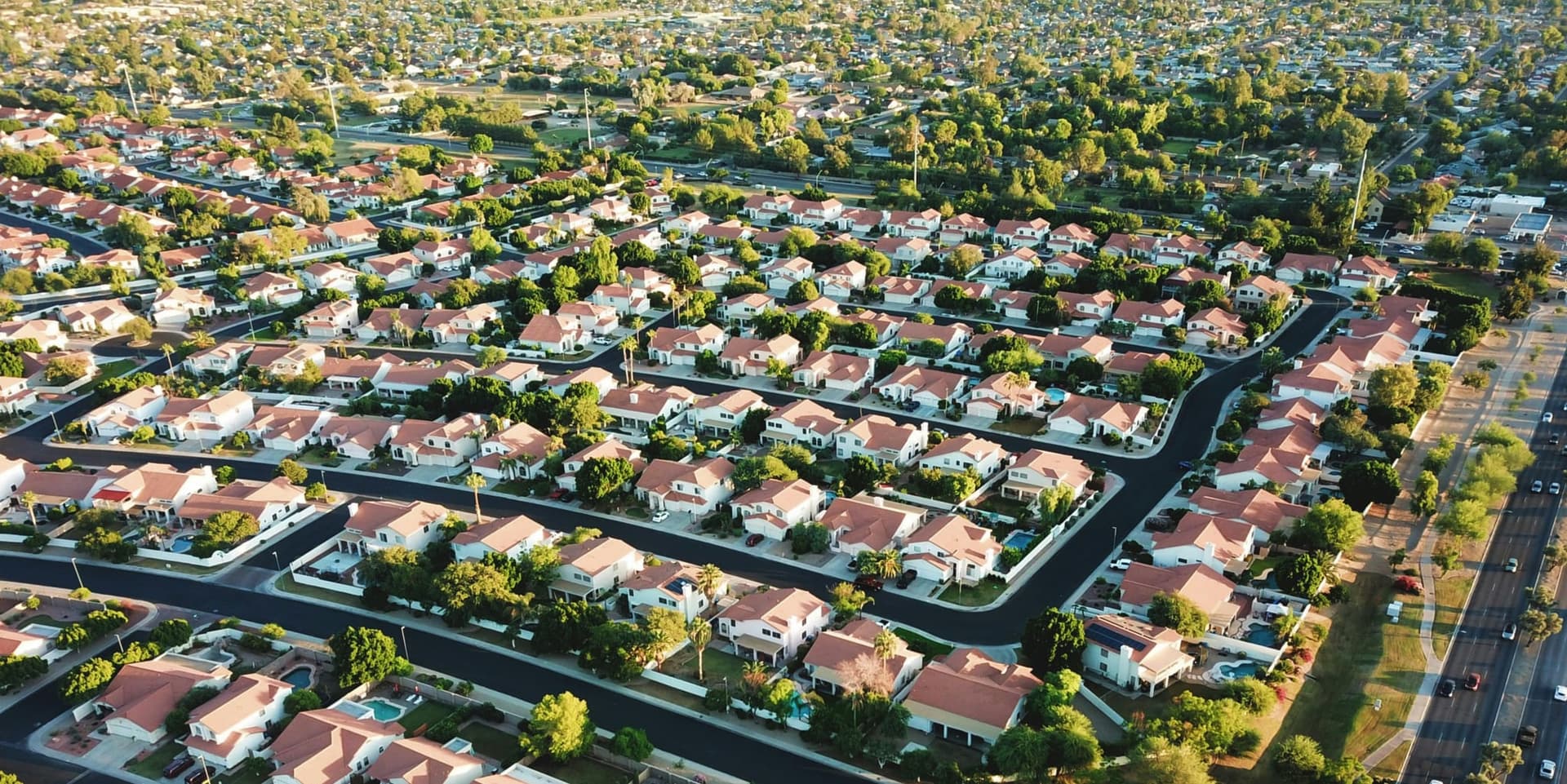
Glendale, AZ
Builders Are Competing More Aggressively
New construction makes the competition for buyers especially visible. The U.S. Census Bureau reported that new single-family home sales fell 10.5% in July to an annualized pace of 607,000. The number of new homes for sale reached 488,000, equal to 9.6 months of supply at the current sales pace.
Builders are responding with incentives and price reductions. The National Association of Home Builders reported that 63% of builders used sales incentives in August and 35% cut prices. The average reduction among builders cutting prices was 6%.
In markets with substantial development, resale sellers are now competing not only with other existing homes but with builders that may be able to offer rate buydowns, closing-cost assistance, or lower prices.
More Leverage Has Not Solved Affordability
The average 30-year fixed mortgage rate was 6.66% on August 27, according to Freddie Mac. Rates at that level continue to narrow purchasing power, even as some buyers appear less willing to postpone a move indefinitely.
In New York City, Jennifer Van de Kieft, Licensed Real Estate Salesperson at Keller Williams NYC, sees that adjustment among her clients. “They’re being thoughtful and selective, but they’re no longer putting their lives on hold waiting for the ‘perfect’ market.” David Snyder, Associate Broker at Keller Williams NYC, points to record rents as a factor pushing some buyers toward ownership, noting that many of his fall clients are simply ready to stop renting.
How much rates influence a purchase also depends on the buyer. Jonathan Normolle, Licensed Real Estate Salesperson at Keller Williams NYC, says luxury buyers are less sensitive to borrowing costs, while many mid-market buyers will remain highly payment-sensitive. Given that sensitivity, he predicts that “sellers who price sharply out of the gate will win, and those who chase the market down will get punished.”
Nationally, the larger number of sellers relative to buyers has not translated into substantially cheaper homes. Existing-home prices remained above year-ago levels in July even as sales stayed subdued, leaving buyers with more leverage over individual transactions but little relief from the overall cost of ownership.
Those conditions could continue beyond the fall. J.P. Morgan Global Research expects U.S. home prices to remain broadly flat in 2026 before rising about 3% in 2027, citing persistent supply constraints as one reason prices have remained elevated.
The advantage buyers are gaining, then, is showing up less in dramatically lower prices than in the terms of the search and the deal. With more sellers competing for a smaller buyer pool, purchasers can take more time, negotiate harder, and walk away when a property does not justify the cost.