
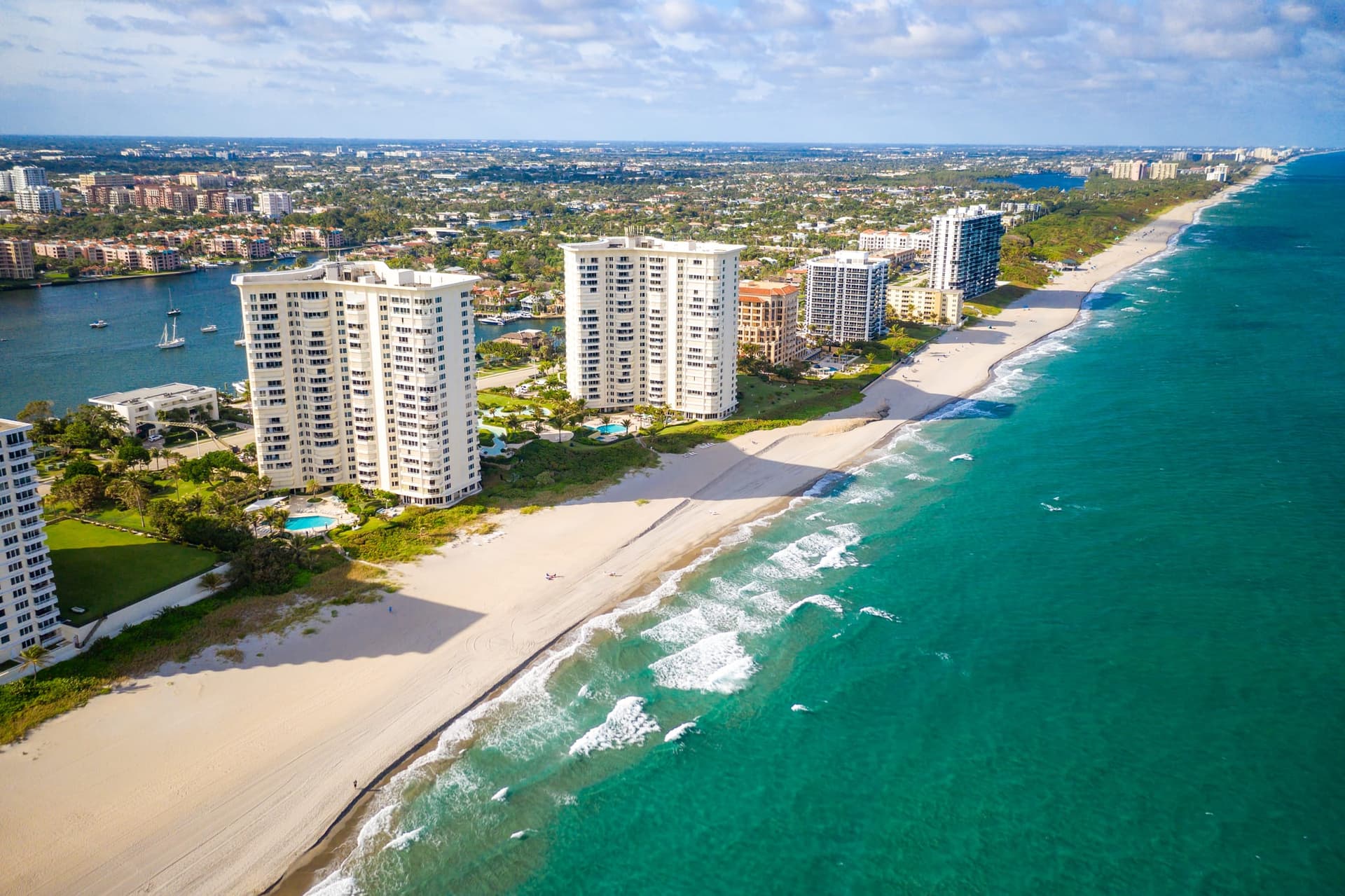
Boca Raton, FL | FotosForTheFuture/Shutterstock.com
At the end of May, the U.S. housing market has more supply than it did earlier in the year, but affordability remains difficult. More homes are coming to market, giving buyers a wider field of options than they had during the tightest stretch of the inventory crunch. Higher monthly payments, renovation costs, taxes, insurance, and monthly fees are still shaping how far many buyers are willing to go.
Existing-home sales rose 0.2% in April to a seasonally adjusted annual rate of 4.02 million, according to the National Association of REALTORS®. Pending sales improved more clearly, rising 1.4% from March and 3.2% from a year earlier. The numbers suggest that demand is still present, even as completed sales remain restrained.
Mortgage rates remain a major obstacle. Freddie Mac reported that the 30-year fixed-rate mortgage averaged 6.53% as of May 28, lower than the 6.89% average from a year earlier, though still high enough to keep affordability central to many purchase decisions.
Inventory is improving. NAR reported 1.47 million existing homes for sale at the end of April, while Realtor.com reported that active listings were up 4.6% from a year earlier. Prices remain firm across several measures: NAR reported that the median existing-home sales price rose 0.9% year over year to $417,700, while Redfin and FHFA also reported annual gains. Realtor.com’s national median list price fell 1.4%, showing that sellers are making more careful adjustments to buyer budgets.
The market is becoming a test of whether a listing makes sense quickly. A home has to make financial and practical sense quickly, or buyers have more room to keep looking.
Inventory Has Become a Quality Story
The national inventory story is becoming more nuanced. A larger supply gives the market more room to breathe, though the strongest demand is still clustering around properties that reduce uncertainty, with features like strong locations, updated condition, manageable monthly costs, and a realistic asking strategy.
In Manhattan, Caroline Bass, Associate Broker at Corcoran, said she is seeing “very few sellers attempting aspirational or ‘reach’ pricing right now.” Apartments that previously failed to sell are returning with “meaningful price reductions — often 5% or more,” and some owners who bought within the last decade are now coming to market at a loss.
Renovation risk is a major dividing line. Bass said renovated properties continue to draw strong interest, while apartments requiring significant updates face more resistance unless they are priced competitively. “Buyers today are significantly more sensitive to renovation costs and project timelines than they were a few years ago,” she said.
South Florida shows a similar separation at a higher price point. Nicole Gary, Associate Broker at Keller Williams NYC, described “a growing divide between turnkey, well-positioned properties and everything else.” She said Miami has seen “a meaningful increase in condo supply,” especially from newer developments and branded residences delivering around the same time, creating more competition in parts of the $2 million to $10 million range. Prime waterfront homes, limited-edition penthouses, rare renovated inventory, and trophy properties in top locations like Miami Beach, along with select new developments, remain more constrained.
In the Hamptons, Maria Avellaneda, Associate Broker at Keller Williams NYC, said buyers have shown “little tolerance for ‘aspirational’ pricing,” while continuing to prioritize prime locations and move-in-ready homes. She also noted that rental demand has increased this year, driven in part by the U.S. Open, though some rental properties have remained available longer when priced too aggressively.
The broader pattern is that more supply helps the market, but the most useful inventory is still limited.


New York, NY
SUBSCRIBE TO THE HAVEN MAILING LIST
Curated homes, market intelligence and design stories — a few emails a month.
No spam. Unsubscribe any time.
Demand Is Concentrated Where the Math Works
The urgency of the peak years has cooled, though demand remains visible when a property fits current conditionst.
“There’s less urgency overall, but not less wealth in the market,” Gary said of South Florida. High-net-worth buyers are still purchasing for lifestyle, tax advantages, and long-term positioning, while negotiating more carefully and expecting stronger justification for the price.
In New York City, Mirza Avdovic of Keller Williams NYC described the market as one “driven by conviction rather than momentum.” Active buyers, Avdovic said, “have done their homework, they know what they want, and when the right property appears at the right price, they move fast and with confidence.”
Maxwell Taub of Keller Williams NYC described another part of the current buyer psychology as “rate fatigue,” with buyers tired of waiting for lower borrowing costs but still looking closely at co-op board health, energy efficiency, and contingencies before making decisions.
Even in highly competitive pockets, discipline is shaping the transaction. Douglas Wagner, Director of Brokerage Services at BOND New York, said multiple bids on well-priced properties have “become the norm” in certain high-demand brownstone Brooklyn neighborhoods. He also noted that buyers are focused on low maintenance, low common charges, low taxes, and remaining tax abatements. Homes in estate or “wreck” condition need lower pricing “if they expect to be taken seriously,” he said.
The market can feel competitive around some listings and slow around others. That split is becoming one of the most prominent aspects of 2026.
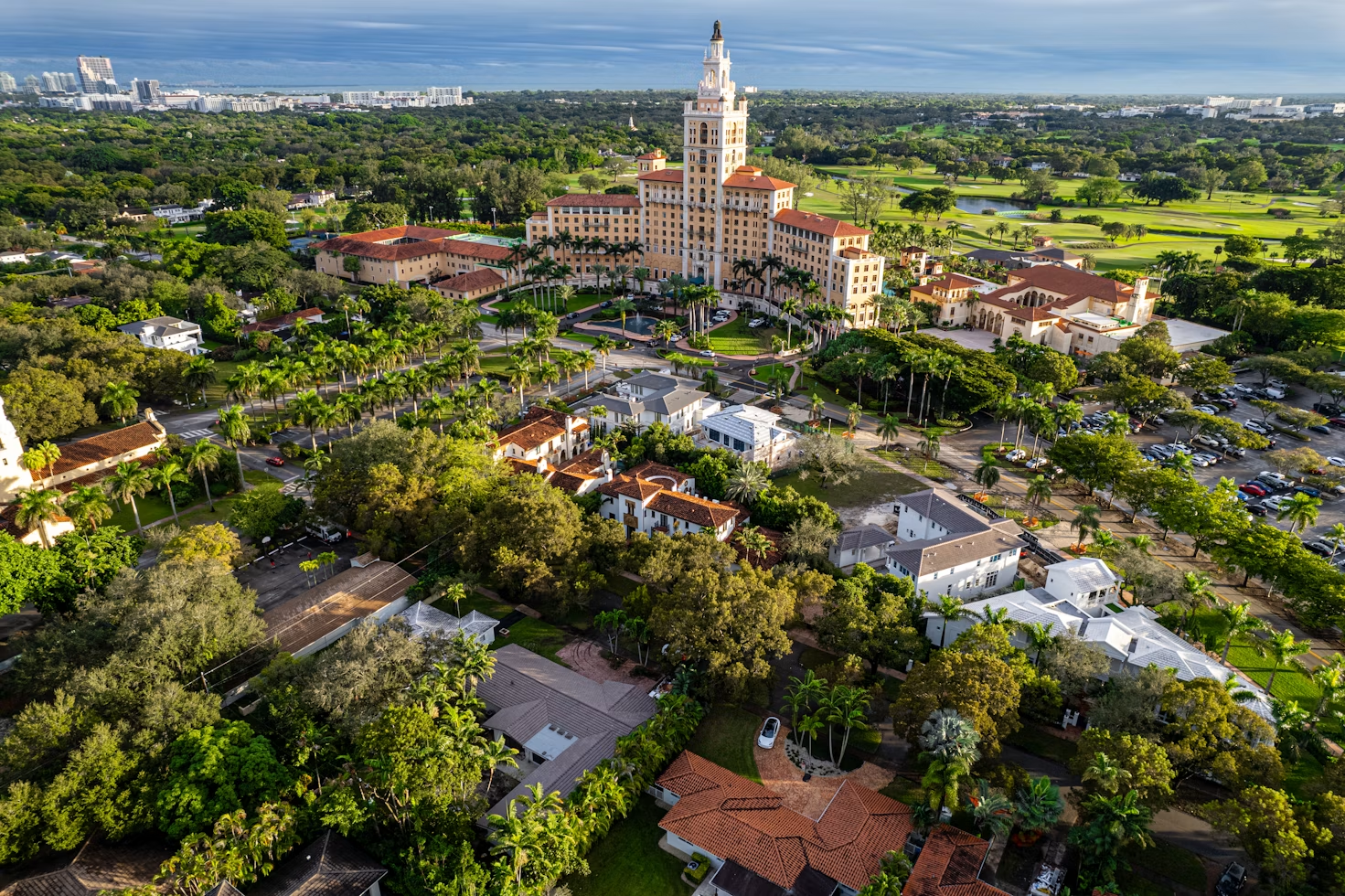
Coral Gables, FL
High-End Markets Are Following a Different Track
A major divide in the current market is the gap between rate-sensitive buyers and buyers using cash, large down payments, or long-term investment capital. Mortgage rates continue to weigh on affordability nationally, while some high-end markets remain less directly tied to financing costs.
In the Hamptons, Avellaneda said the ultra-luxury segment operates with greater independence from mortgage-rate fluctuations, with approximately 70% of transactions completed in cash. In Manhattan, Bass said approximately 58% of her transactions so far this year have been cash deals. Those figures help explain why some higher-end markets can remain active even when the broader housing market is still constrained by borrowing costs.


The Hamptons, NY
What Summer Could Bring
Heading into summer, the national market will likely depend on whether mortgage rates ease enough to bring more searches into contract. The pending-sales improvement shows that buyers are still willing to engage, while the slower pace of closed sales shows how much affordability still matters.
In New York, Bass expects high rental prices to push more renters toward buying, especially in the studio and one-bedroom market. “With rental prices hitting the highest peaks ever, it will drive more renters into purchasing,” she said.
In the Hamptons, Inga Wszolek, Licensed Real Estate Salesperson at BOND New York, described the market as more balanced than last summer, with healthy demand and buyers who are “more selective and less reactive.” She expects summer activity to remain strongest around homes that feel updated, easy to use, and aligned with the lifestyle buyers are already imagining once they are spending more time out east.
In South Florida, Gary said the region remains supported by lifestyle, tax considerations, business activity, and global demand, though “South Florida is no longer immune to the importance of pricing, quality, and strategic positioning.”
The pandemic-era housing market rewarded speed. The next stage is rewarding judgment. More listings give buyers more flexibility when evaluating homes, while higher costs are forcing each decision to carry more weight. Housing is becoming a decision market, involving fewer panic moves, more scrutiny, and more separation between homes that fit the moment and homes still carrying assumptions from the last cycle.
If mortgage rates fall, the market has enough demand to respond. If they stay near current levels, this summer is likely to favor homes that reduce hesitation: prepared properties, realistic pricing, and locations where buyers already have a reason to act.