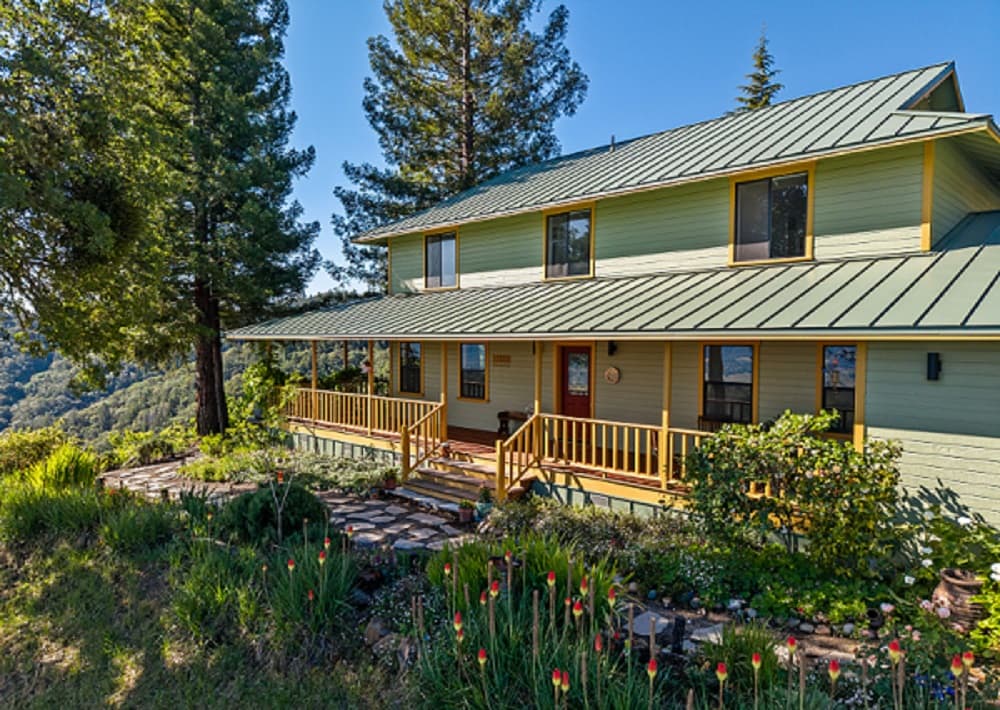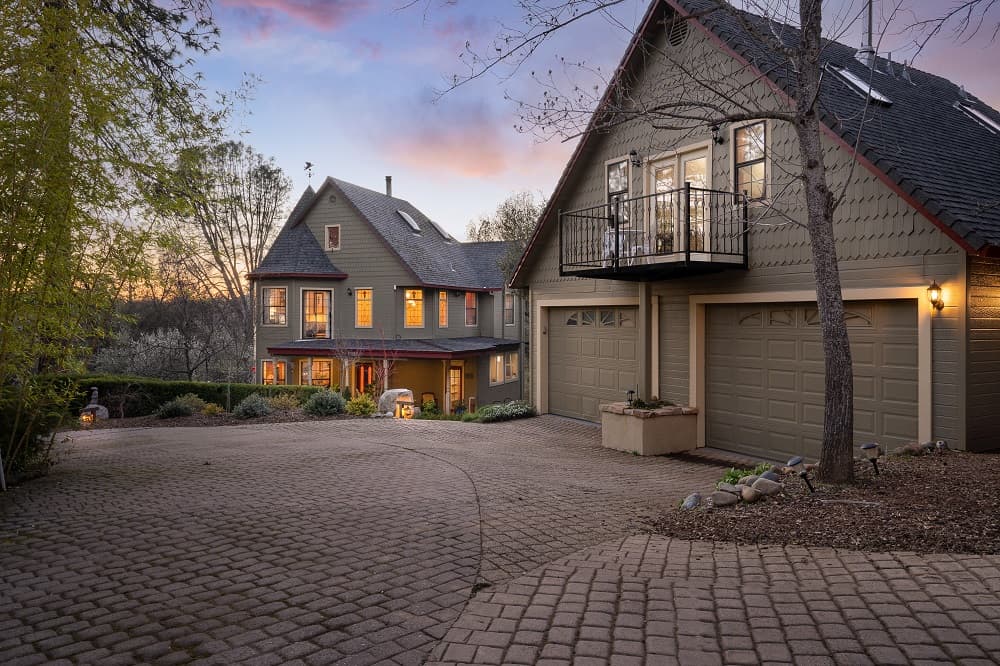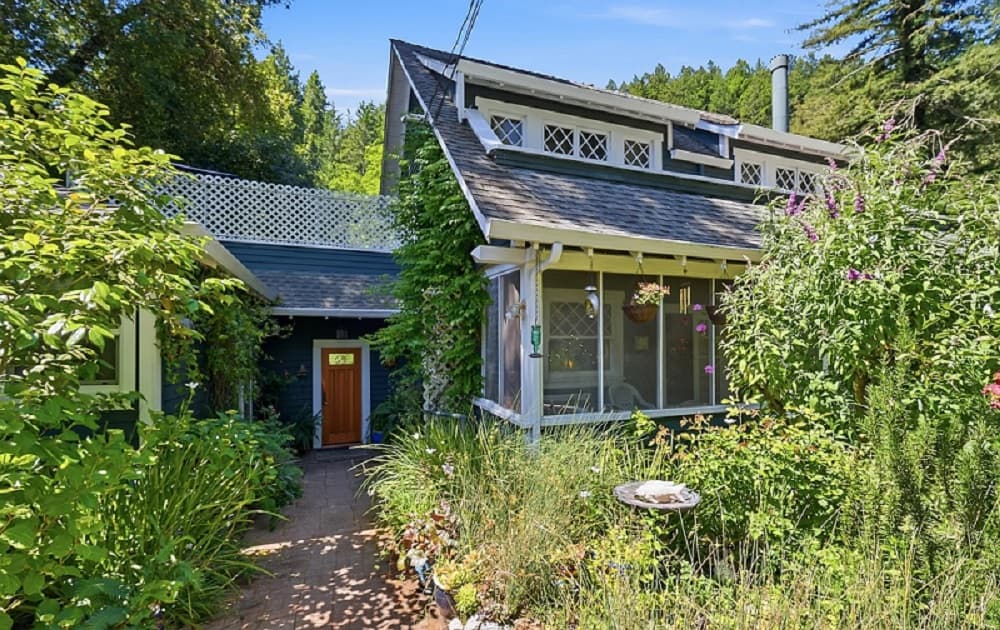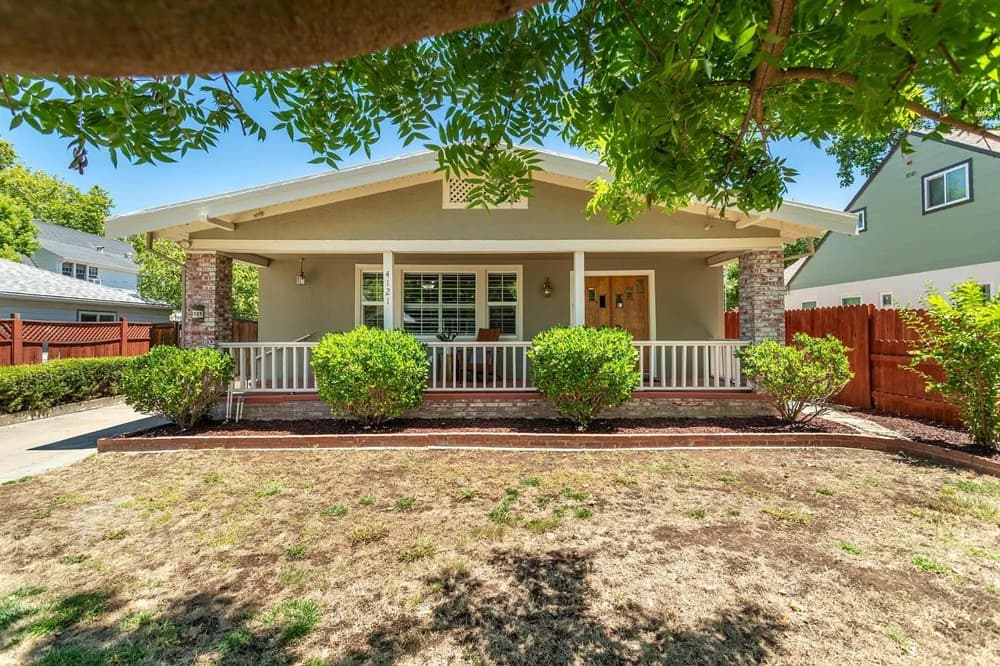

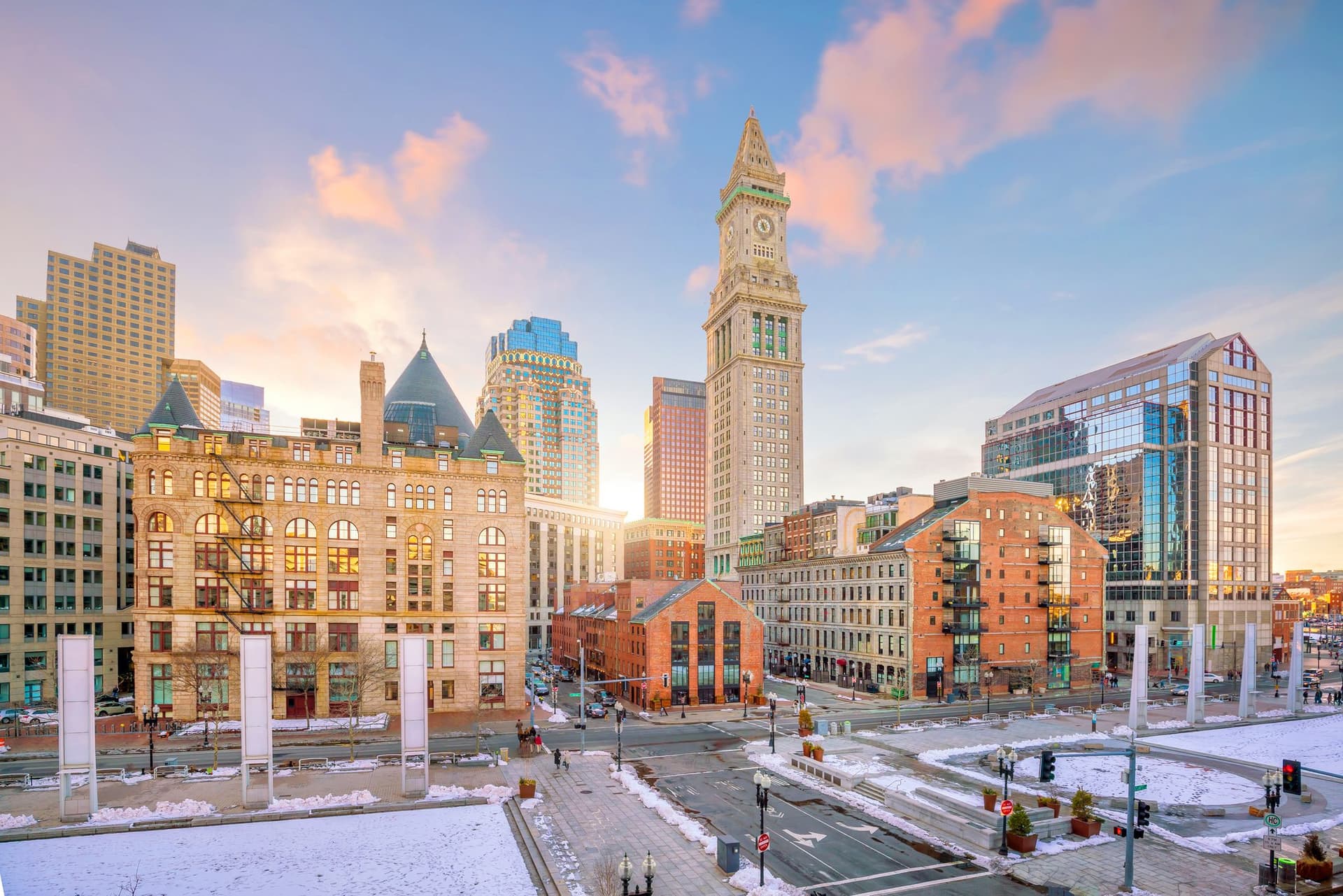
Boston, MA | f11photo/Shutterstock.com
This month has a different kind of energy than the past few winters: less brinkmanship, more follow-through. The U.S. housing market is still working through affordability and a stubborn supply shortage, but the early-2026 tone is steadier—defined by buyers who are clearer about value, sellers who are being forced into sharper pricing discipline, and a widening gap between homes that feel “ready” and homes that feel like a project.
Mortgage rates are helping set that mood. Freddie Mac’s Primary Mortgage Market Survey put the average 30-year fixed rate at 6.09% as of January 22, keeping borrowing costs in the low-sixes range after a year spent easing off higher levels. Fannie Mae’s January 2026 forecast similarly models the 30-year fixed rate averaging 6.0% in 2026, reinforcing the sense that rates may remain more stable than volatile this year.

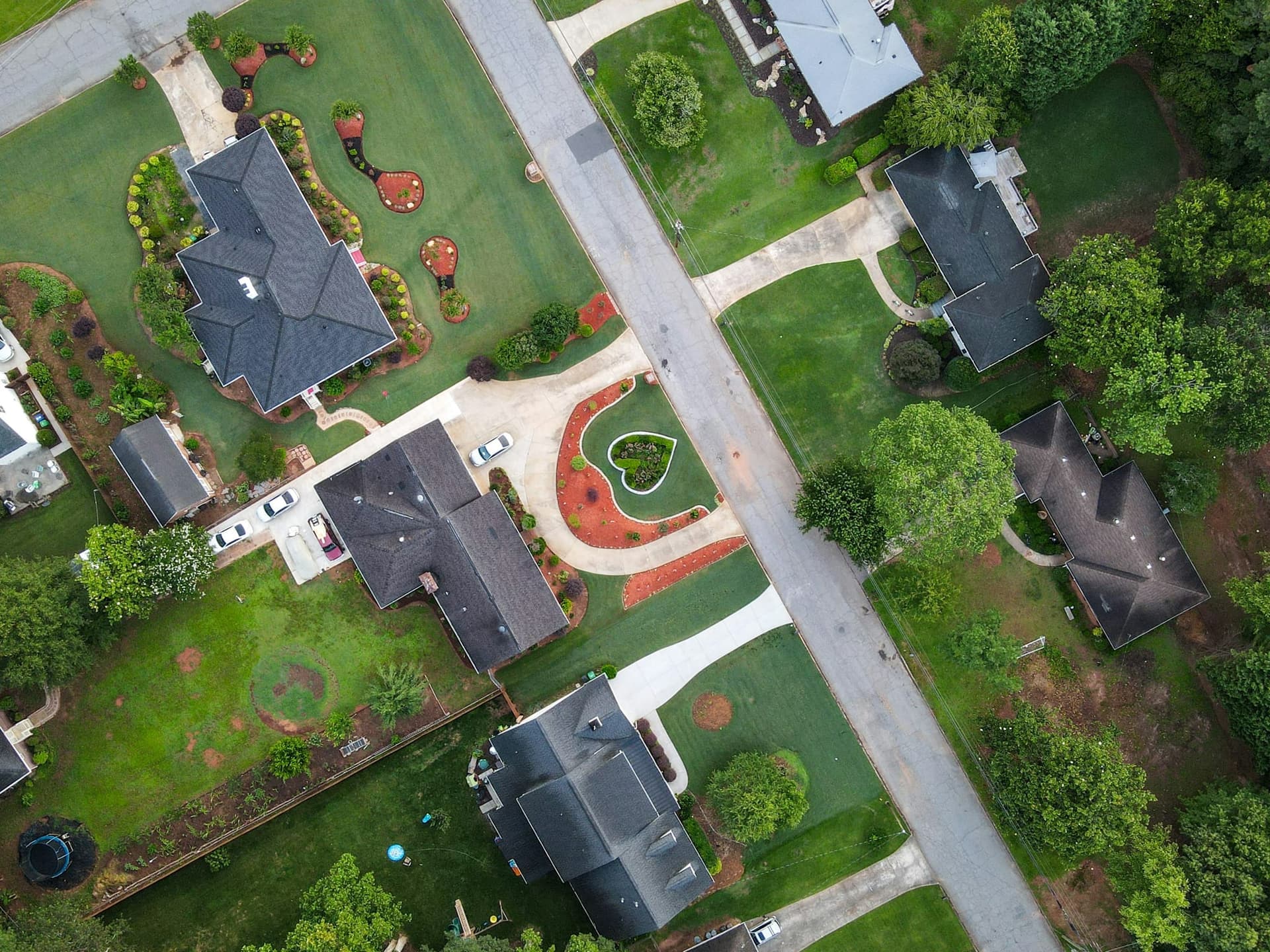
Atlanta, GA
National sales and pricing data also read like a market trying to normalize rather than overcorrect. The National Association of REALTORS® reported existing-home sales rose 5.1% in December to a 4.35 million seasonally adjusted annual rate, with the national median existing-home price at $405,400, up 0.4% year over year. Yet the next layer of data underscores how sensitive demand still is: NAR also reported pending home sales fell 9.3% in December, a reminder that even small shifts in confidence, rates, or inventory can cool contract activity quickly.
SUBSCRIBE TO THE HAVEN MAILING LIST
Curated homes, market intelligence and design stories — a few emails a month.
No spam. Unsubscribe any time.
What feels most consistent beneath the data is a market that’s re-sorting itself around readiness and realism. Nicole Gary, Associate Broker at Keller Williams NYC, describes demand in South Florida becoming “far more intentional and value driven,” with buyers prioritizing “quality, privacy, turnkey condition, and long-term livability,” and increasingly seeking “off-market opportunities and quiet negotiations.” In her words, the common thread she sees across the U.S. is that “quality, turnkey products always win,” while homes that need renovations sit longer—especially in a cost environment where turnkey feels like a form of certainty.

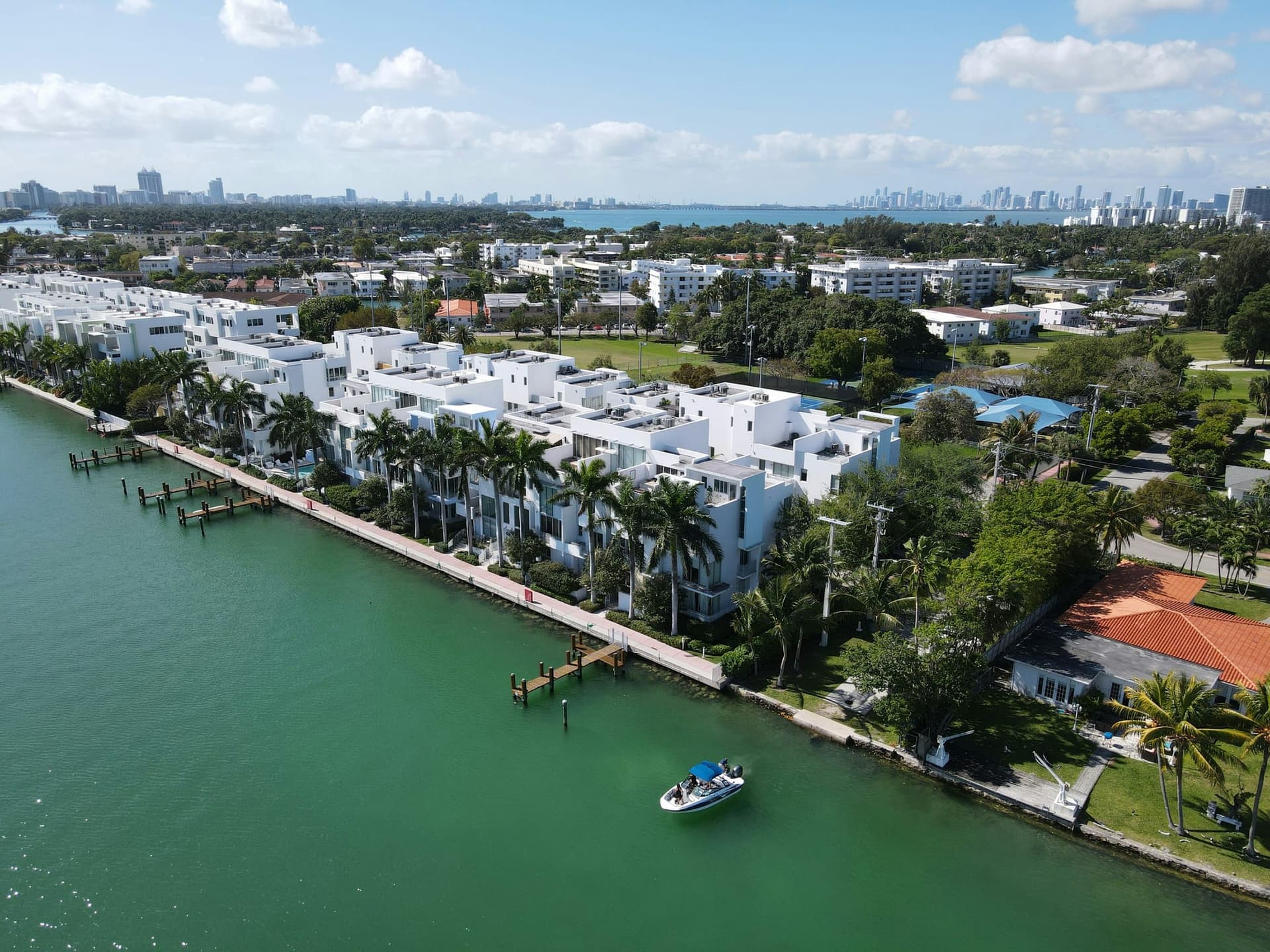
Miami Beach, FL
Ed Bruehl, Associate Broker at Christie’s International Real Estate, captures the same shift in buyer psychology in the Hamptons: “Buyers stopped waiting.” He says many have accepted that “6% mortgage rates are the new normal,” and their filter has sharpened—“They’re paying for certainty now,” from solid condition to clean permitting and a smooth path to closing. In New York City, Douglas Wagner, Associate Broker at BOND New York, notes “renewed optimism” as buyers react to sturdier year-end finances, “vulnerable prices,” and the expectation of a more active 2026 sales environment. He also underscores the same practical split: turnkey homes have tended to hold their asks, while homes needing updates often have to reduce prices to prompt offers—then contend with buyers negotiating even further through credits and concessions.
That divergence is playing out against a national inventory backdrop that still favors well-positioned listings. NAR reported total housing inventory at 1.18 million units at the end of December—about 3.3 months of supply—a level that continues to support price floors even as appreciation cools. But the leverage within that constraint is no longer automatic. Buyers are more willing to wait, ask harder questions, and push on homes that feel dated or overpriced, while moving decisively when a listing presents as turnkey, correctly priced, and low-friction.


New York, NY
Looking ahead, the consensus expectation is a gradual thaw rather than a dramatic turn. Fannie Mae’s January 2026 forecast projects existing home sales rising to 4.362 million in 2026 (from 4.065 million in 2025) and home price growth of about 2.4% (annual average)—a profile consistent with steadying conditions and modest recovery.