

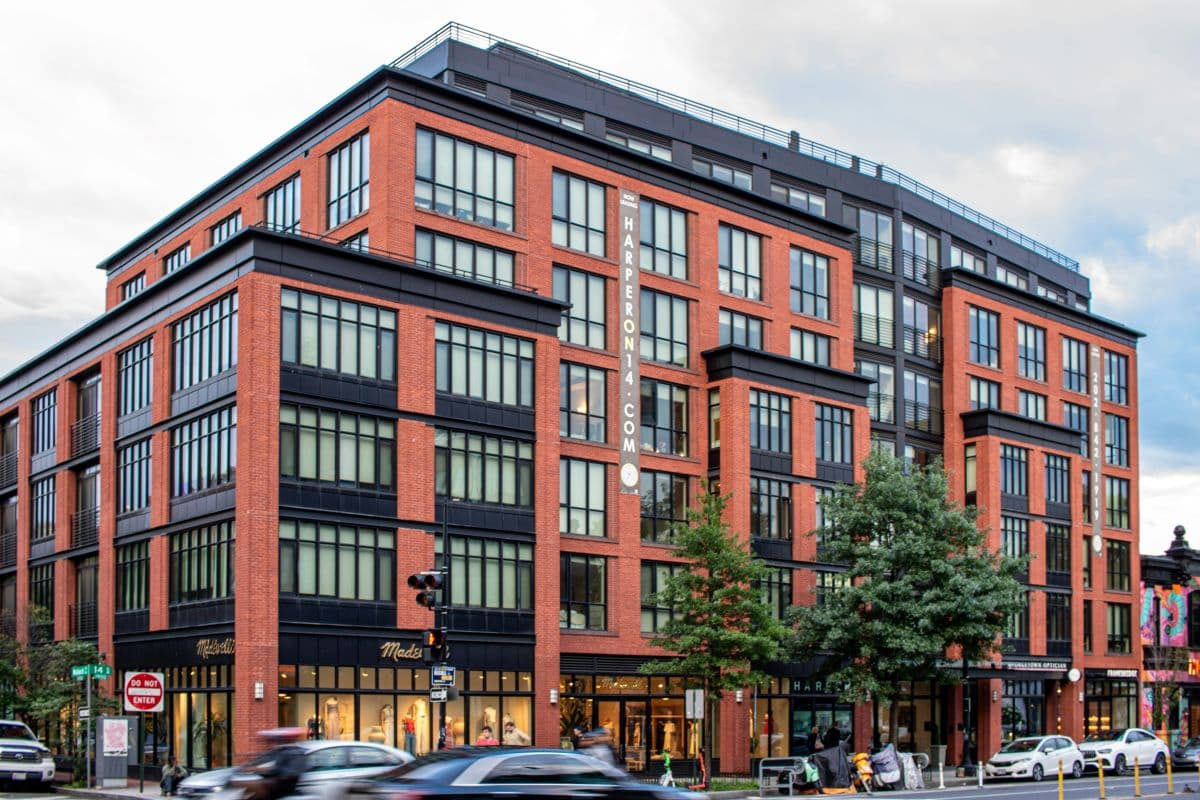
When renting out a property, one of the most critical decisions is choosing the right type of rental agreement. The type of agreement you select defines your relationship with your tenants by setting boundaries that protect both of you. Be it for stability, flexibility, or some situation that calls for special handling, there is an agreement to fit your needs. Below, we’ll break down the different types of rental agreements and what you should take into consideration before deciding which will be best for your rental property.
Fixed-Term Lease Agreement
Some of the most common types of rentals are fixed-term lease agreements, usually for six months, a year, or longer. This type of agreement has a number of advantages, which begin with stability. It locks both parties into the terms for the length of the lease, which essentially means that the rent cannot be changed until the lease is up. It’s important to note the difference between rent and lease as rent typically refers to the payment made, while a “lease” is the contract outlining the terms of payment and occupancy.
For landlords, this ensures a steady income, as the tenant is obligated to pay rent for the entire lease period. This also reduces the likelihood of tenants moving out, saving time and money on advertising and screening prospective renters.
A fixed-term lease ensures predictability for both landlords and tenants: everything is in the contract, so there is less room for misunderstanding or conflict. Other benefits include legal protection, whereby the landlord can take action against any breach of the lease, for instance, non-payment of rent or damages to property.
Considerations
However, the agreement also has some disadvantages. Since the landlord cannot increase the rent or change the lease terms until the lease expires, it offers less flexibility if the property’s value or market rent increases during the lease term.

SUBSCRIBE TO THE HAVEN MAILING LIST
Curated homes, market intelligence and design stories — a few emails a month.
No spam. Unsubscribe any time.
Month-to-Month Rental Agreement
A month-to-month rental agreement supplies the landlord and renter with a great deal of flexibility. Unlike a fixed-term agreement, this type of contract automatically renews at the end of every month, affording both parties the right to change the terms or cancel the agreement with proper notice, which is usually 30 days. This flexibility is ideal for landlords who may want to sell the property, do renovations, or take new tenants in the near future. The agreement also provides regular opportunities to renegotiate rent, as landlords can increase it more frequently than with a fixed-term lease. This is particularly beneficial for short-term tenants, such as students or those in temporary housing situations.
Considerations
Although a month-to-month agreement is highly flexible, it lacks stability compared to a longer lease. It allows tenants to leave on short notice, which can increase turnover and the costs associated with frequently finding new renters.


Sublease Agreement
A sublease agreement is an arrangement in which the existing tenant rents the property, or part of it, to a third party but remains responsible towards the original lease. There are a couple of advantages to this. For the tenants, such an arrangement provides flexibility and does not involve breaking the original lease in case one has to temporarily vacate the property for an assignment or extended travels. Subleasing also helps the landlord to continue receiving rent because the original tenant is liable to make sure the rent is paid and the property is maintained. The landlord generally has the right to approve or disapprove the sublease, thereby providing some control over who occupies the property.
Considerations
Even though the original leaseholder is responsible for the lease, they may not thoroughly research a sublessee, which can lead to issues such as late bill payments or property damage. Due to this potential problem, it is very important that the original lease agreement outlines clear rules regarding subleasing.

Room Rental Agreement
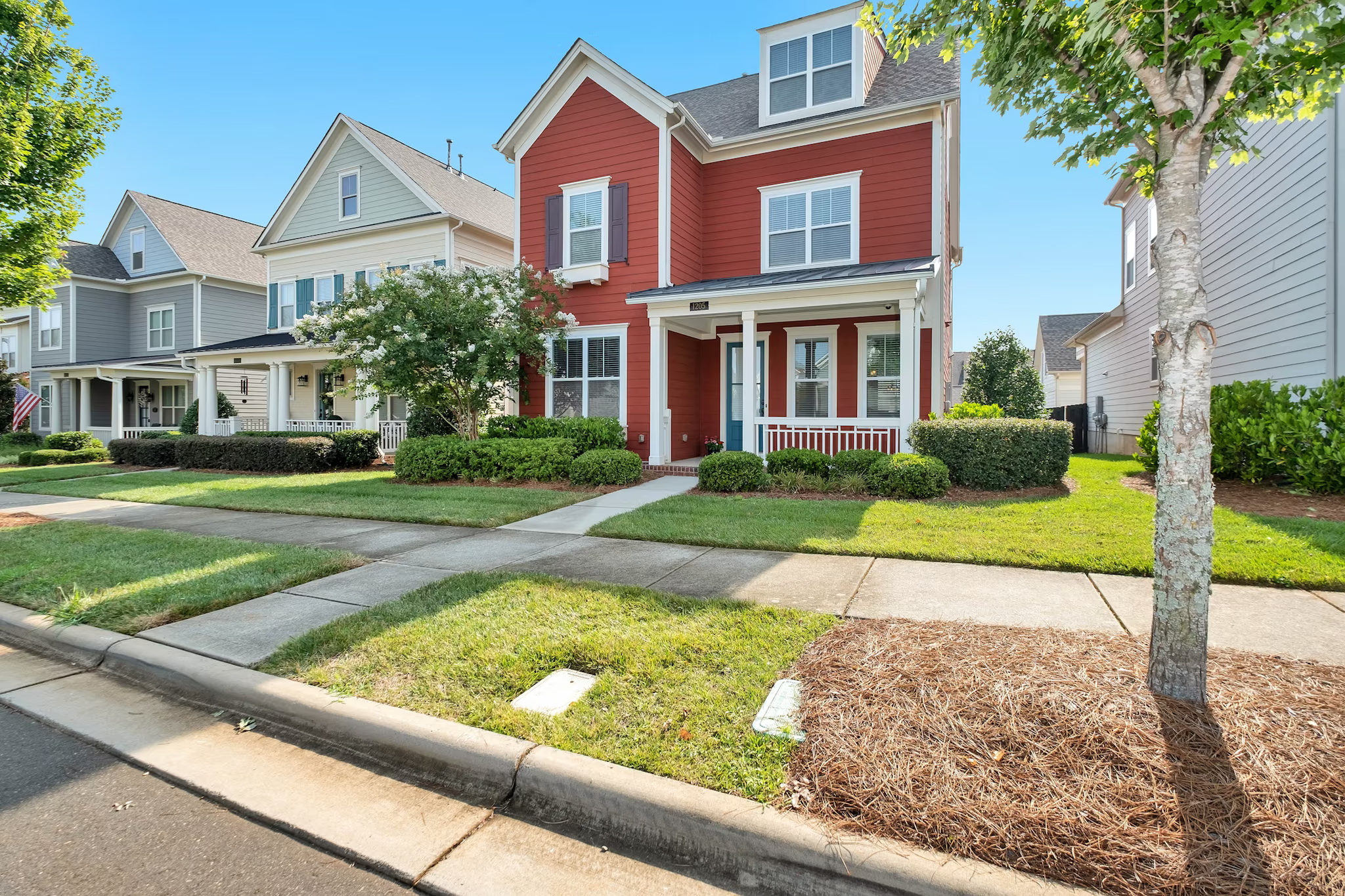
A room rental agreement is typically made between a tenant and a landlord when the tenant rents a single room within a larger home or apartment in shared living situations. This is mutually beneficial to landlords and tenants alike. For the tenants, it ultimately gives them more affordable living options, as they only pay for the room they live in rather than an entire house or apartment. For landlords, renting out individual rooms allows them to maximize rental income by accommodating multiple tenants in a single property.
Considerations
Room rental agreements can be tricky with regard to shared living spaces; disputes over cleanliness, noise, or guest policy may be an issue. Therefore, it is wise to include rules in the contract, lest your house turn into a war zone.

Commercial Lease Agreement
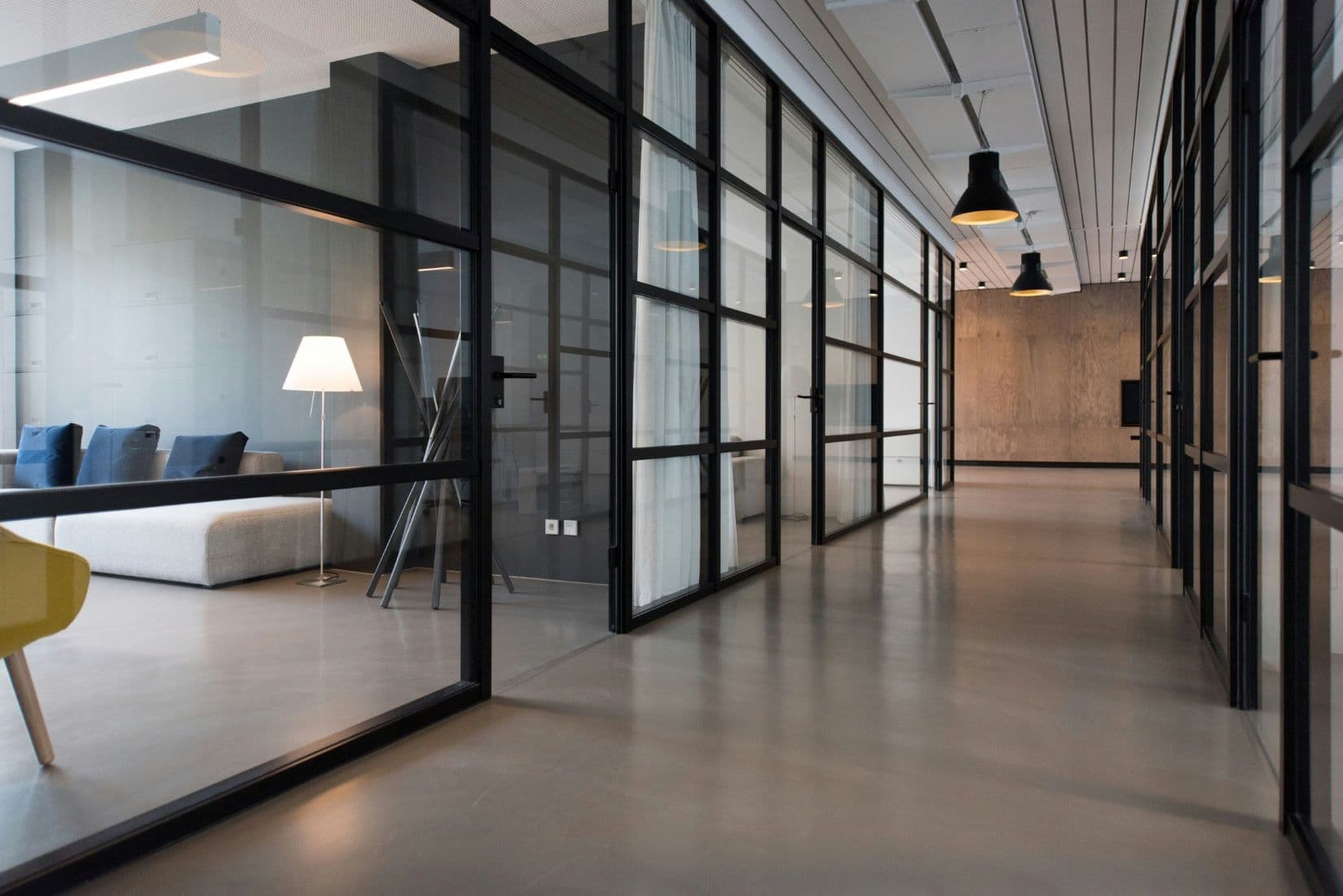
A commercial lease agreement is tailored for tenants who rent properties for business purposes, such as offices, retail outlets, or industrial facilities. These agreements provide substantial stability because the lease periods are usually longer than three to five years, often extending even further, which ensures landlords a continuous stream of income over a long duration. Additionally, commercial leases yield higher rents compared to residential leases; hence, landlords prefer this type of lease for commercial properties. Most of these agreements are negotiable, allowing both the lessor and lessee to reach a compromise on their terms, taking into account the specific needs of the business involved.
Considerations
Commercial leases are more complex than residential leases, often requiring legal advice to ensure they comply with building codes, zoning laws, and other regulations.
Choosing the Right Agreement: Aligning Landlord and Tenant Needs for Success
The type of rental agreement you need depends on your requirements as a landlord and the situations of your tenants. You may have a fixed-term lease that provides stability and predictability, or you may opt for a month-to-month agreement, which allows flexibility. Subleases are a good option when both landlords and tenants need temporary housing solutions, and a room tenancy agreement is well-suited for shared living. Accordingly, whether you rent out commercial property or residential units, a commercial lease serves the needs of business tenancies, while short-term rental agreements address the needs of vacationers or temporary housing requirements.
Each tenancy option presents its advantages and challenges. By carefully considering your goals and your tenant’s needs, you will be in a better position to choose the agreement that works for your property, ensuring success in your landlord-tenant relationship.












