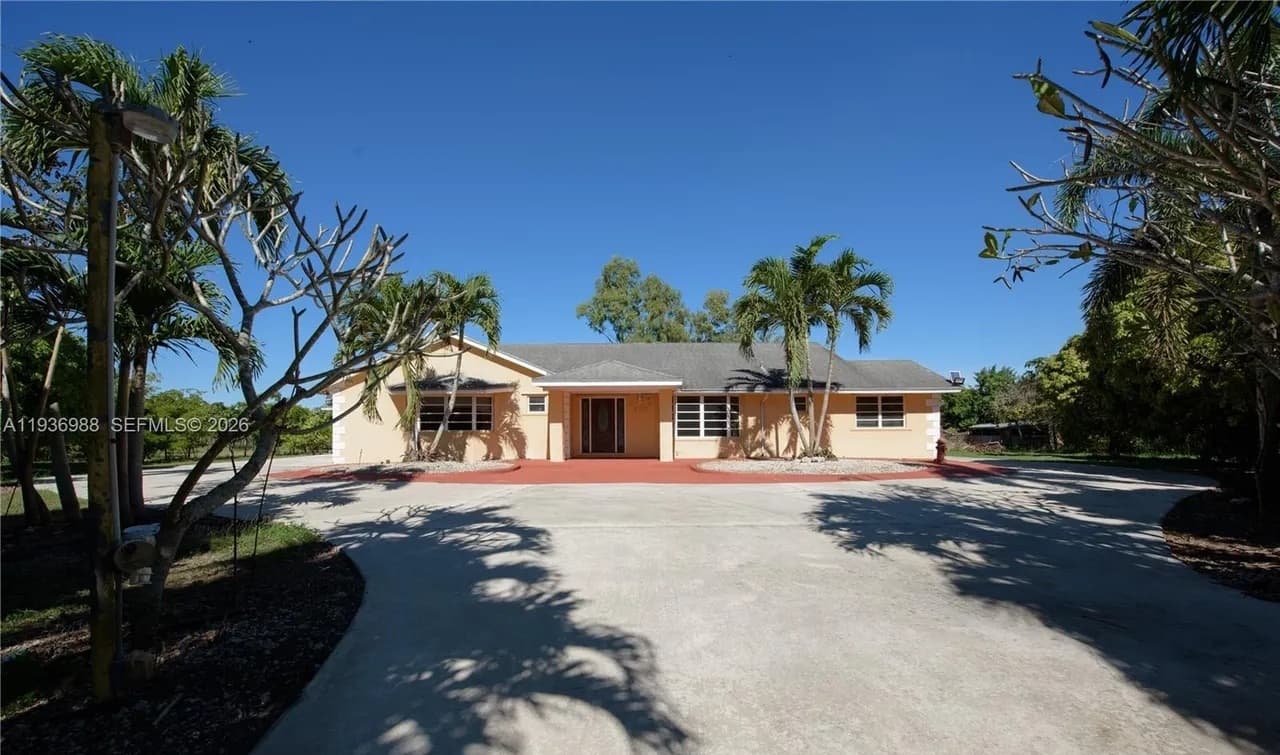

Baton Rouge, LA
The real estate markets across Louisiana and Arkansas are entering a period of stabilization and recalibration as we head toward the end of the year. After several years of rapid appreciation and competitive bidding wars, both states are evolving toward more balanced market dynamics that mirror national trends—while retaining distinct regional traits.
Market Stabilization in Louisiana
Louisiana’s housing market has moved from the overheated conditions of recent years into what industry observers call a rebalancing phase. Zillow data as of the end of September shows that the average home value in Louisiana is $209,930, down about 0.7% year-over-year.
This modest decline is not a sign of a market collapse but rather a correction as supply and demand come into clearer alignment.
In metropolitan areas like New Orleans and Baton Rouge, the dynamics vary significantly by neighborhood and price tier. For example, Zillow data as of the end of September shows that Baton Rouge’s typical home value is at $227,534, down 1.6% year-over-year. Some coastal and urban-core properties continue to see selective appreciation, while many suburban and secondary markets are facing longer days on market and more modest price pressures. This divergence underscores how varied Louisiana’s real estate landscape remains.
SUBSCRIBE TO THE HAVEN MAILING LIST
Curated homes, market intelligence and design stories — a few emails a month.
No spam. Unsubscribe any time.
Arkansas Shows Signs of Buyer-Friendly Conditions
In Arkansas—particularly in the northwest corridor around Bentonville and Fayetteville—the market remains active and resilient, with steady appreciation even as statewide trends point to broader stabilization. In Little Rock, Zillow data as of the end of September shows that the average home value is approximately $214,348, up about 0.2% year-over-year.
Arkansas continues to benefit from its longstanding affordability relative to national averages. With typical home values significantly below the U.S. average, the state remains attractive to owner-occupants and investors seeking value without the volatility of coastal markets.
Interest Rates and the Financing Landscape
The mortgage environment remains a critical driver of buyer behavior in both states. Conventional 30-year mortgage rates are hovering around 6-7%, still elevated relative to the pandemic-era lows but offering some relief compared to the 2024 peaks. For mid-range buyers—where most transactions occur—this means purchasing power remains constrained but slowly improving when other factors (inventory, interest, condition) align.
What Lies Ahead
For homebuyers in Louisiana and Arkansas, the current climate offers distinct advantages: more realistic pricing from sellers, improved inventory (or at least less intense bidding), and more conventional negotiation dynamics. The era of multiple offers and waived inspections is giving way to a more traditional market.
Meanwhile, regional economic fundamentals are supportive: infrastructure investment, job-market growth and population migration continue to favor both states—especially Arkansas’s northwest corridor. These underlying drivers suggest that real-estate markets in these states are likely to continue performing respectably even as flat or modest appreciation replaces the steep gains of recent years.