Sponsored Content

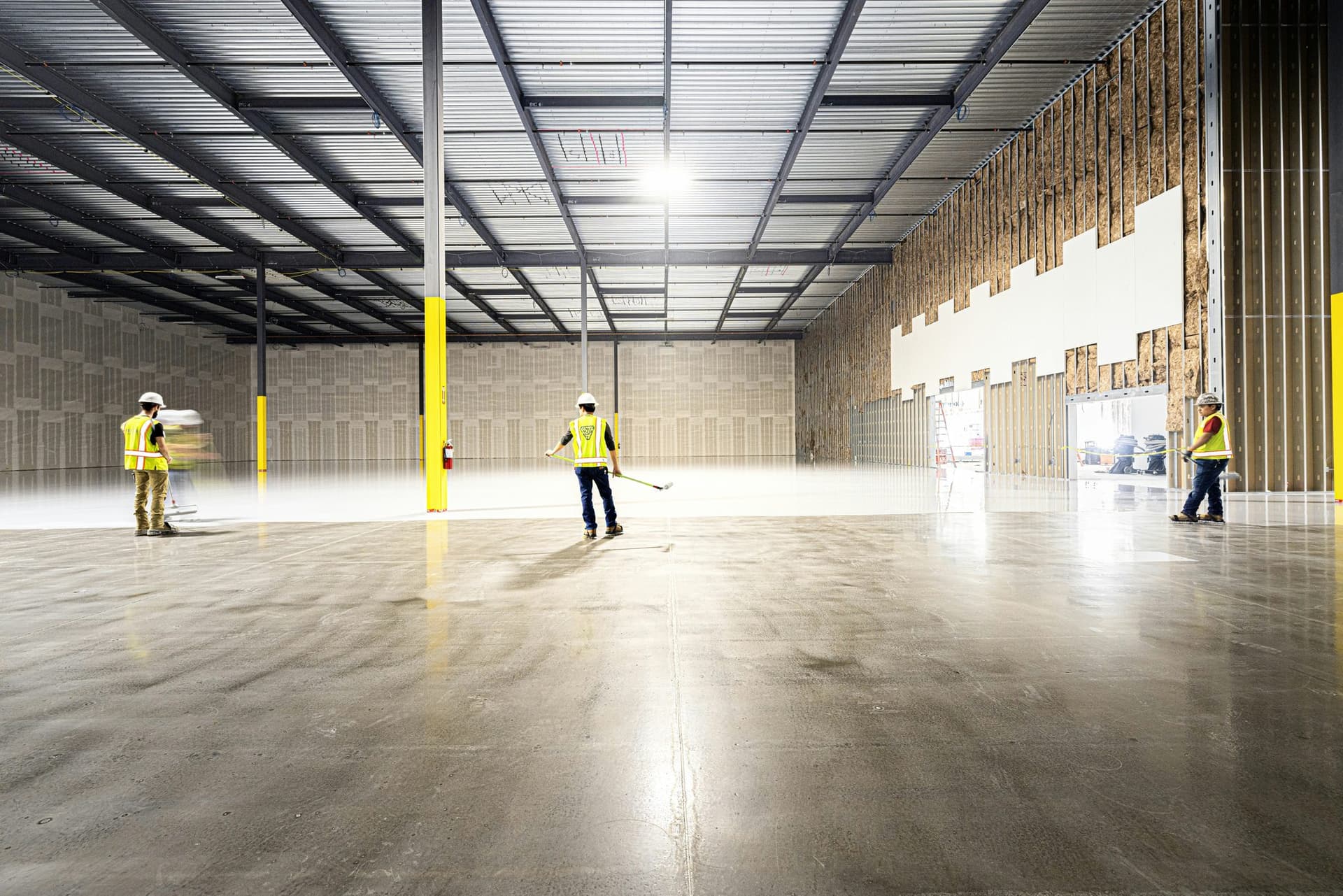
Finding an industrial property with the right square footage and location is only the first step. Before a tenant can begin operations, the building also has to accommodate its electrical needs, equipment deliveries, local occupancy requirements, vehicle access, and workforce.
Some of those issues can take considerably longer to address than others. Checking them before a lease is finalized can help uncover potential delays and expenses while there is still time to evaluate the property.
1. Confirm the Building’s Electrical Capacity
Industrial users can have electrical requirements that go well beyond those of a conventional commercial tenant. Before signing a lease, confirm the service currently available at the building and whether it can support the equipment planned for the space.
Three-phase power may be particularly important for manufacturing equipment, compressors, HVAC systems, and other machinery. If the required service is not already available, the tenant should understand what an upgrade would involve and which utility serves the property.
Lead times can vary considerably by project and provider. Supply constraints have also caused significant delays in the past. In its 2022 Texas rate case, Oncor reported that meter lead times had reached as long as 52 weeks during recent supply shortages.
The lesson is less about assuming a particular timeline and more about confirming capacity early. The utility provider, property owner, and an electrical professional can help establish what is already in place and what would be necessary before operations begin.
SUBSCRIBE TO THE HAVEN MAILING LIST
Curated homes, market intelligence and design stories — a few emails a month.
No spam. Unsubscribe any time.
2. Plan for Oversized Equipment Deliveries
A building may have enough interior space for machinery without being easy to move that machinery into. Large equipment deliveries can involve permits, route restrictions, escorts, and detailed coordination before a truck ever reaches the property.
In Texas, vehicles or loads that exceed legal size or weight limits generally require the appropriate TxDMV permit. Particularly large moves face additional requirements. Loads exceeding 254,300 lbs. gross, for example, can fall within the state’s superheavy category.
Route conditions matter as well. TxDMV requires a route inspection when a vehicle or load exceeds certain width, height, or length thresholds, while escort requirements depend on the dimensions and circumstances of the move.
For tenants expecting substantial machinery deliveries, conversations with carriers should begin before the move-in date is established. Companies can also consult providers of specialized heavy-haul trucking in Texas arranged by Titan Worldwide Logistics when assessing the logistics of a particular shipment.
The final approach should account not only for the highway route but also for what happens at the property itself, including gates, overhead clearance, turning space, and access to the building.
3. Check Occupancy and Use Requirements
A lease does not necessarily mean a tenant can immediately begin its intended operation. Local permitting, building codes, fire requirements, and certificates of occupancy can all affect when and how a property may be used.
Requirements vary by jurisdiction in Texas, making it important to check with the local authority rather than assume that the previous tenant’s approvals will automatically cover the new operation.
A change from warehouse use to manufacturing, for example, may trigger additional review depending on the municipality and the nature of the business. Fire protection, electrical systems, ventilation, accessibility, and other building conditions may also need to be evaluated.
Before committing to the property, determine its current approved use and whether the proposed operation requires a change of use, new certificate of occupancy, permits, or physical improvements. For a more complicated facility, an architect, engineer, code consultant, or other qualified professional can help identify issues before they become part of the move-in schedule.
4. Measure the Yard and Loading Areas
Industrial properties should also be evaluated from the perspective of the vehicles that will use them.
A site tour can confirm the number and condition of loading doors, dock heights, pavement, gates, staging areas, and space available for trucks to maneuver. The dimensions required will depend on the tractors, trailers, heavy-haul equipment, and other vehicles expected at the property.
Architectural drawings can provide useful measurements, but they do not always capture current conditions or the practical path a driver will need to take through the site. Parked vehicles, fencing, curbs, utility equipment, and other obstacles can affect circulation.
If truck access is an important part of the operation, it can be useful to visit the property with someone familiar with the company’s logistics rather than evaluating it solely from a real estate perspective.
5. Prepare the Space for the Workforce
Before employees begin work, the facility itself needs to be ready for them. Depending on the operation, that can include required personal protective equipment, emergency signage, first-aid supplies, marked exits, safety procedures, and other measures applicable to the workplace.
Those requirements should take priority over the cosmetic details of opening a new facility. Once safety needs and workplace policies are established, practical considerations such as uniforms and branded workwear can also be addressed.
For businesses outfitting a new team, Swagprint’s custom t-shirts for staff are one option for creating consistent branded apparel. The appropriate clothing will ultimately depend on the work being performed and any safety requirements that apply to employees on the floor.
Planning these details before opening can make the transition into a new facility more orderly for both employees and visitors.
Before the Lease Is Final
Industrial properties are highly specific to the businesses that occupy them. A building that works well for distribution may require substantial changes for manufacturing, while a property with ample interior space may still fall short on electrical capacity or truck access.
The most useful due diligence therefore extends beyond rent, square footage, and location. Electrical service, equipment access, local approvals, yard configuration, and workforce requirements can all affect how quickly a tenant can put the space into use.
Identifying those needs before the lease is final gives a business a clearer picture of both the property and the work required to make it operational.