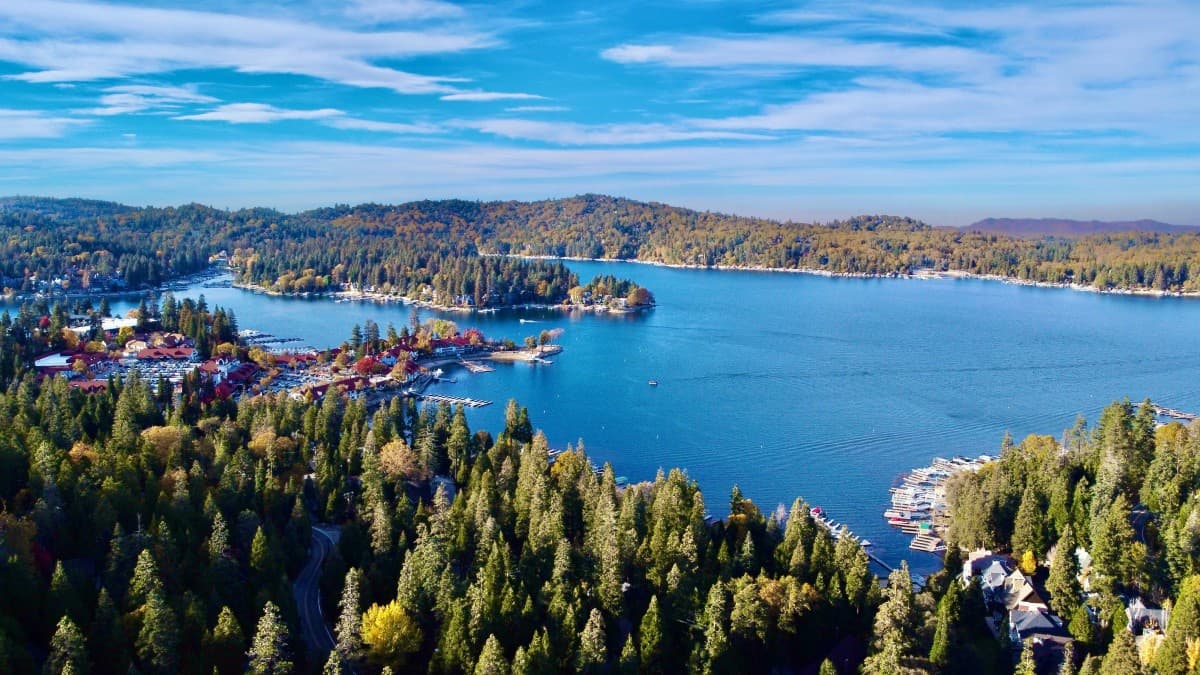
Lake Arrowhead, CA
The mountain communities surrounding Los Angeles—from Idyllwild to Acton—have long offered an escape from urban density, attracting buyers seeking cooler climates, privacy, and a slower pace of life. As we move through late 2025, the real estate landscape in these enclaves reflects broader market dynamics while maintaining distinct regional characteristics that appeal to a specific demographic of mountain lifestyle enthusiasts.
Market Overview and Pricing Trends
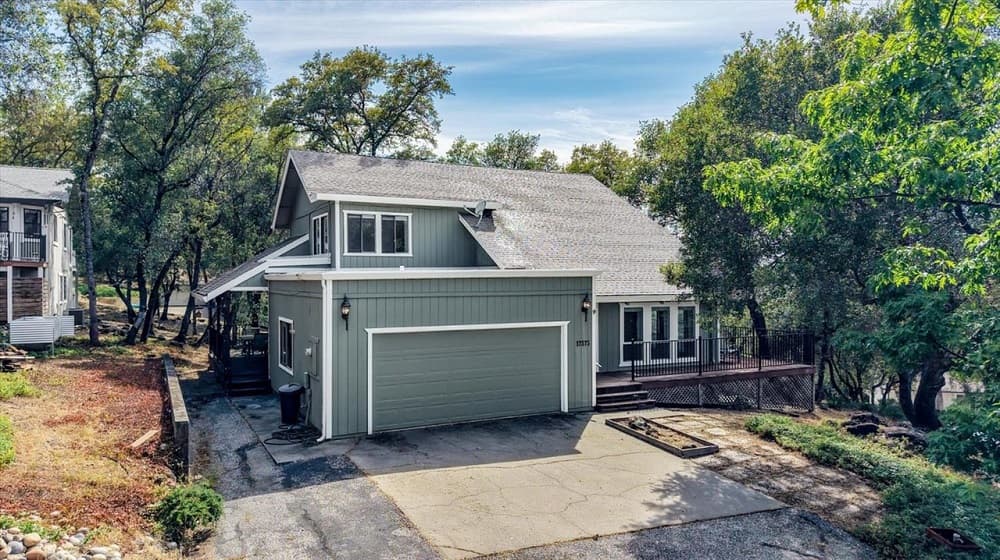
The LA mountain region’s real estate market in November presents a mixed picture. Idyllwild, one of the most established mountain communities, shows an average home value of around $467,000, based on Zillow September data, down 5.1% over the past year. Lake Arrowhead, another premier destination, maintains a median home value near $529,000, down 7% year-over-year. Pine Mountain Club, positioned as a more affordable entry point into mountain living, averages around $383,000, down 4.3% annually, indicating a buyer’s market with greater inventory relative to demand.
Running Springs, a more affordable mountain community, recorded a median home value of approximately $352,000 in September, down 4.7% compared to the previous year. Big Bear Lake, traditionally a seasonal destination with vacation rental appeal, shows average home values at $555,589, down 6.7% over the past year, with homes going pending in about 80 days. These price points reflect a broader softening in mountain real estate compared to the peak of the pandemic-era boom—creating opportunities for discerning buyers while presenting challenges for sellers accustomed to rapid appreciation.
SUBSCRIBE TO THE HAVEN MAILING LIST
Curated homes, market intelligence and design stories — a few emails a month.
No spam. Unsubscribe any time.
Inventory and Market Conditions
A large share of active listings in these mountain markets have seen recent price reductions, signaling a shift toward buyer advantage. Pine Mountain Club exemplifies this trend, classified as a buyer’s market where housing supply exceeds demand. This dynamic contrasts sharply with the seller’s markets that dominated 2021 and 2022, when mountain properties attracted investors and remote workers fleeing urban centers.
Regional Characteristics and Buyer Considerations
Each mountain community retains its own unique appeal:
- Idyllwild draws artists and retirees seeking an artistic community and cultural amenities.
- Lake Arrowhead attracts families and second-home buyers thanks to its resort-style infrastructure and recreational opportunities.
- Mount Baldy, Running Springs, and Acton attract outdoor enthusiasts and those seeking genuine mountain isolation.
Current Market Dynamics
What we’re seeing now is a more selective buyer set. Though inventory has increased, buyers are carefully evaluating location, condition and value proposition before committing. Properties needing significant updating are spending longer on the market, while well-maintained homes in desirable microclimates continue to draw interest.
The broader environment—higher interest rates, economic uncertainty, a pull-back from speculative buying—is influencing behavior. The modest year-over-year declines in prices and sales volume suggest buyers are taking more time before purchasing, which can be seen as a healthier correction after years of frenetic activity.
Looking Forward
For buyers who genuinely want mountain living, this moment presents a real opportunity: with price moderation and increased inventory, there’s more negotiating leverage than in the immediate past. For sellers, the imperative is realistic pricing and strong presentation—luxury expectations of rapid appreciation aren’t the baseline anymore.
The enduring appeal of these mountain communities—cooler summers, natural beauty, community character—means there remains steady demand among lifestyle-oriented buyers (versus purely speculative investors). The region’s current market reflects maturation rather than distress: prices have pulled back from pandemic peaks, inventory is more normalized, and buyer selectivity has returned. For a buyer drawn to mountain living, the current conditions may offer a more balanced entry point than the highly competitive environment of recent years.