
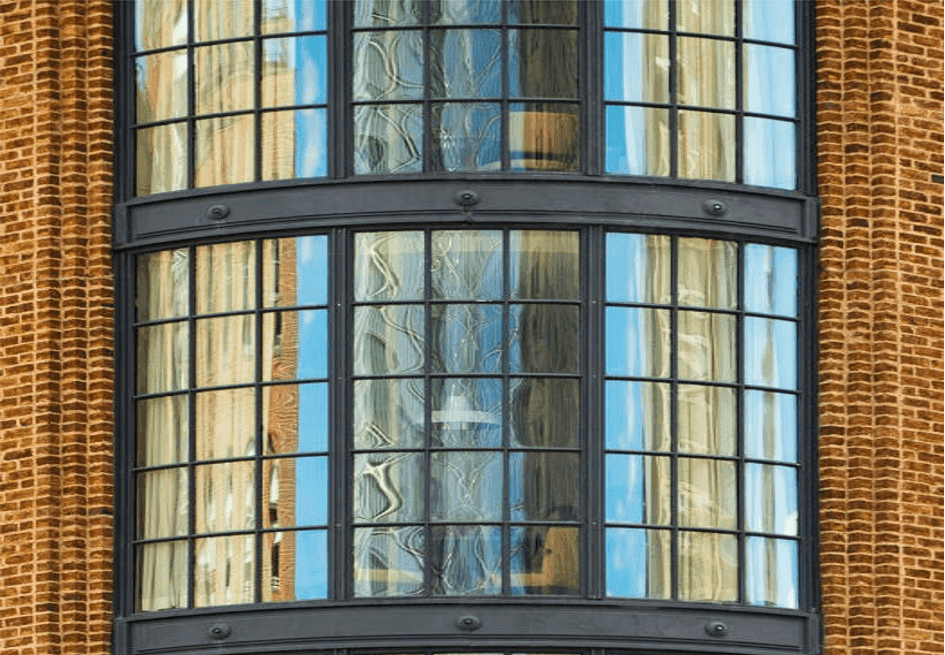
With modern architecture, natural light is more than just a design element—it’s a critical factor influencing mood, energy efficiency, and spatial perception. An article published in in the journal Nature reports that today’s architects are rethinking how buildings interact with sunlight, and one of the most innovative tools in their arsenal is curved glazing. From sweeping office façades to softly rounded retail storefronts, curved windows are reshaping how commercial spaces harness and diffuse natural light—creating dynamic interiors that are both visually stunning and functionally superior.
The Rise of Curved Glazing in Commercial Design
For decades, commercial architecture relied heavily on rigid geometries and flat glass panels. However, as design priorities shift toward biophilic principles, energy efficiency, and experiential spaces, curved windows have found renewed relevance.
Unlike flat panes, curved glass wraps light around corners, captures sunlight from multiple angles, and creates fluid transitions between interior and exterior spaces. This not only boosts aesthetic value but also enhances how light moves throughout the building across the day.
Architects are now using curved glazing to create inviting, light-filled environments that foster productivity in offices, improve retail engagement, and increase user comfort in public buildings like museums, airports, and libraries.
SUBSCRIBE TO THE HAVEN MAILING LIST
Curated homes, market intelligence and design stories — a few emails a month.
No spam. Unsubscribe any time.
Why Curved Windows Enhance Natural Light
Curved windows offer several advantages over traditional flat glass when it comes to lighting:
- Multi-angle light capture: The curved surface can face different angles of the sun simultaneously. This allows sunlight to enter the building for longer portions of the day, especially in spaces with southern or western exposure.
- Softened light diffusion: Curved glass helps distribute light more evenly, reducing harsh glare and the sharp contrast between light and shadow that flat panes often create.
- Enhanced interior brightness: Bowed and arched windows often protrude or recess into a structure, capturing ambient light that would otherwise miss the building entirely.
These factors combine to produce brighter, more balanced interiors—a key benefit for commercial spaces that rely on comfort, clarity, and atmosphere to perform.
Craftsmanship Meets Innovation
Behind every successful curved glazing project is a fusion of traditional craftsmanship and cutting-edge innovation. While modern technology has made it possible to bend and shape glass with extraordinary precision, the process still demands the expertise of skilled artisans who understand the nuances of curvature, structural integrity, and aesthetics. Creating high-quality curved windows involves more than just heating and molding glass. The process outlined on the Flickinger Glassworks website shows how it requires meticulous attention to radius, clarity, thickness, and how the glass will perform under environmental stress. Artisans and fabricators work closely with architects to customize every pane, ensuring it not only fits the intended form but also meets safety, energy, and design specifications.
Advancements in lamination, thermal treatment, and low-emissivity coatings have further expanded what’s possible. These innovations allow curved glazing to meet stringent performance standards while maintaining the elegance and fluidity that make it such a standout design element. In today’s commercial spaces, where every detail contributes to user experience and brand identity, the craftsmanship behind curved glass is what transforms an architectural concept into a luminous, living reality.
Case Studies: Curved Glass in Action
1. Apple Store, Fifth Avenue, New York
One of the most iconic examples of curved glazing is Apple’s flagship store in Manhattan. Its glass cylinder entrance, made of massive curved glass panels, not only draws attention but bathes the interior in soft, natural light. This lighting complements Apple’s minimalist product displays and enhances customer engagement.
2. Google’s Bay View Campus
Google’s recently completed Bay View campus in California utilizes curved glass extensively to create expansive, light-filled working environments. Designed by BIG (Bjarke Ingels Group) and Heatherwick Studio, the building’s rolling form and integrated skylights allow light to enter the structure at varying angles throughout the day, minimizing artificial lighting needs.
3. Louis Vuitton Maison, Tokyo
Retail architecture also benefits greatly from curved glass. Louis Vuitton’s flagship store in Tokyo, designed by Jun Aoki & Associates and Peter Marino, features undulating glass façades that reflect and refract natural light—creating a changing visual experience as sunlight shifts. This draws in customers and creates a sense of movement and transparency.
Design Considerations for Curved Glazing
Incorporating curved windows into commercial architecture requires thoughtful planning and technical precision. Here are key considerations:
- Structural support: Curved glazing demands specific framing and load distribution methods, especially for large façades or multi-story applications.
- Glass type and coating: To manage solar gain, reduce UV exposure, and improve energy efficiency, curved glass should be low-E coated or double-glazed. Laminated or tempered safety glass is also recommended for public spaces.
- Manufacturing limitations: Curved glass must be custom fabricated, which can add to project timelines and costs. However, technological advancements have made it more accessible and precise than ever.
- Installation expertise: Not all contractors are experienced with curved glazing. Working with specialists ensures accuracy and performance.
Benefits Beyond Aesthetics
The use of curved windows goes far beyond visual impact. In commercial spaces, natural light affects everything from productivity to purchasing behavior:
- In offices: Studies have shown that employees working in naturally lit environments report higher satisfaction, lower stress, and improved focus. Curved glazing can increase daylight penetration deep into open floor plans without relying solely on overhead lighting.
- In retail: Well-lit interiors enhance product visibility and create a sense of openness. Curved storefront windows also catch the eye from multiple angles, making them powerful tools for attracting foot traffic.
- In public buildings: Museums, galleries, and airports use curved glass to provide panoramic views, reduce claustrophobia, and improve wayfinding—all while cutting down on energy use.
The Sustainability Factor
Curved glazing isn’t just about aesthetics—it plays a significant role in green building design. With improved daylighting, buildings require less artificial lighting during daylight hours, contributing to reduced energy consumption and lower operating costs. Combined with intelligent lighting systems and high-performance glass coatings, curved windows support goals in LEED certification and carbon reduction.
A Brighter Future with Curved Glass
Curved windows represent the perfect convergence of form and function in modern commercial design. They bring a sculptural quality to buildings while maximizing natural light—a win for both aesthetics and performance. As architects and developers continue to prioritize user experience, energy efficiency, and striking design, curved glazing is proving to be a powerful tool in transforming how we work, shop, and move through public spaces.
Whether it’s a retail façade that glows from dawn to dusk or an office filled with soft daylight, curved windows offer a bold, beautiful way to invite light—and life—into architecture.