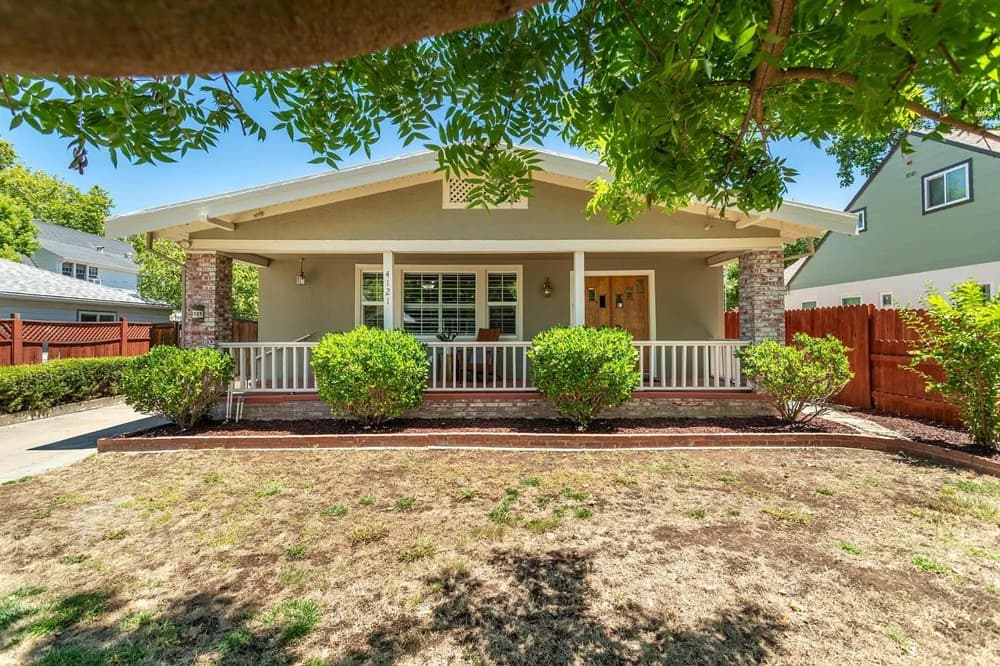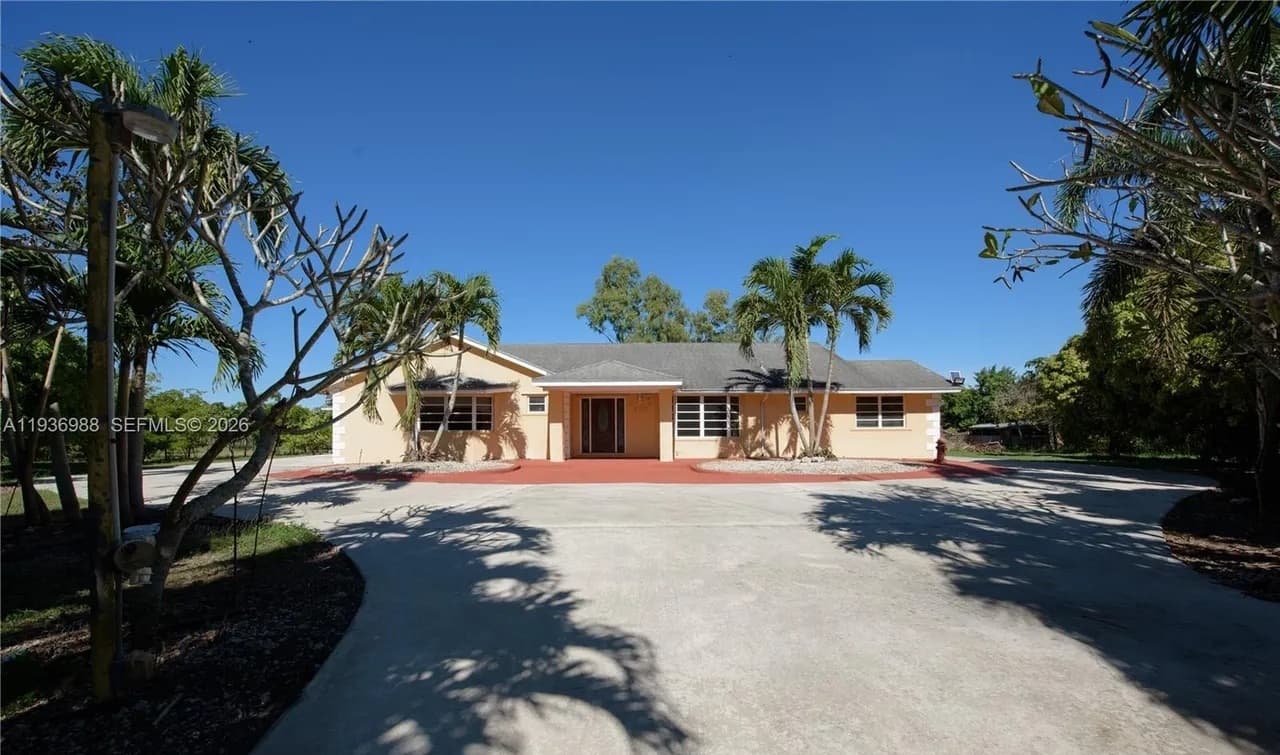

Vancouver, BC
Last month’s theme was cautious stabilization—and November largely kept that tone, with a more seasonal, wait-and-see feel as the year wound down. According to CREA data, after October posted its sixth monthly gain in seven months, with national home sales up 0.9% month over month, November activity softened slightly: sales dipped 0.6% month over month and came in 10.7% below November 2024. Rather than signaling distress, the data reflects a late-year market where buyers are moving carefully and sellers are recalibrating to a narrower band of what feels realistically financeable in today’s rate environment.
That dynamic is closely tied to how inventory has evolved. October closed with roughly 189,000 active listings nationwide, before easing to 173,000 by the end of November—still 8.5 percent higher than a year earlier, even as seasonal quiet set in. With more options available than last winter, negotiations have become increasingly case-specific. Homes that are priced accurately and aligned with current demand continue to transact, while listings that miss the mark tend to linger longer as buyers take the time to compare.

Montreal, QC
Rates, for their part, appear to have entered a holding phase. After multiple cuts earlier in 2025, the Bank of Canada held its policy rate at 2.25 percent in December, reinforcing a sense of stability heading into the new year. That pause has shifted the conversation from anticipation to acceptance—less focus on what borrowing costs might do next, and more on working within a range that now feels relatively defined.
SUBSCRIBE TO THE HAVEN MAILING LIST
Curated homes, market intelligence and design stories — a few emails a month.
No spam. Unsubscribe any time.
In Canada’s largest urban markets, that cautious tone is especially visible. In the Greater Toronto Area, November sales fell to 5,010 homes, a 15.8 percent decline year-over-year, reflecting continued hesitation among buyers at higher price points. Metro Vancouver showed a similar pattern, with 1,846 sales in November, down 15.4 percent annually, alongside softer year-over-year benchmark pricing across detached homes, apartments, and townhouses. In both regions, elevated inventory relative to last year is giving buyers more leverage—but not necessarily prompting urgency.

Toronto, ON
The rental market, meanwhile, tells a slightly different story. CMHC’s 2025 Rental Market Report shows vacancy rates rising, with the national rate for purpose-built rentals increasing to 3.1 percent, up from 2.2 percent in 2024 and above the 10-year average. The shift suggests some easing after years of tight conditions, as affordability pressures continue to push households toward renting.
Altogether, the Canadian housing market is closing out 2025 in a familiar winter posture: quieter, more selective, and increasingly grounded in current realities. Buyers are deliberate, sellers are adjusting expectations, and the path forward points less toward a sharp rebound than a steadier, more measured re-engagement as 2026 approaches.

Calgary, AB