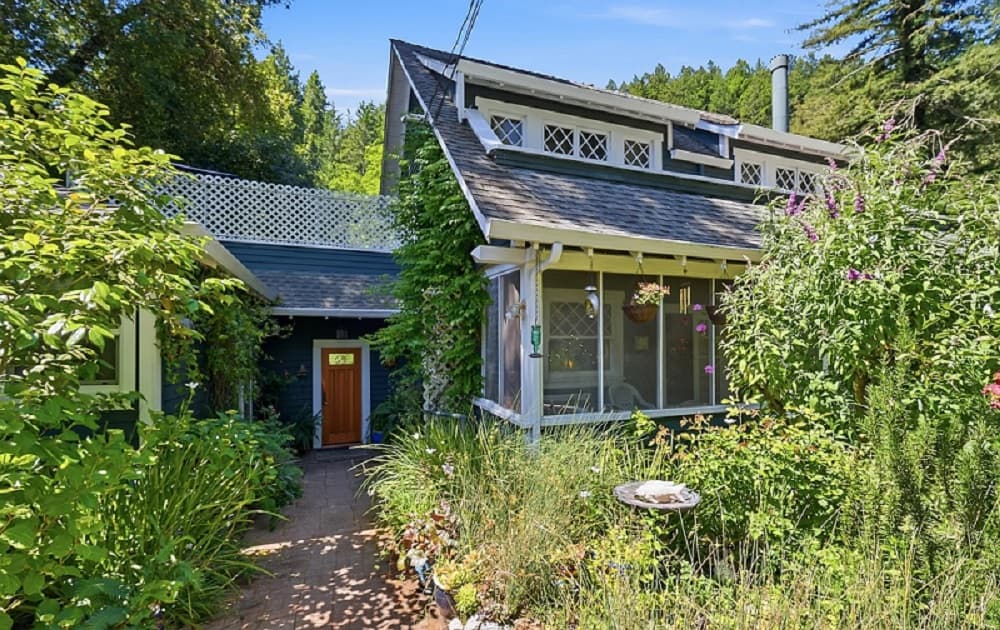

Bellevue, WA
As the U.S. housing market moves through the final weeks of 2025, conditions continue to normalize after several years of volatility. Inventory remains meaningfully higher than a year ago, price growth has moderated, and buyer behavior has become more selective—particularly as the market enters its typical seasonal slowdown. Rather than a sharp shift, the current moment reflects recalibration, with momentum varying widely by region, price point, and product type.
Nationally, the National Association of REALTORS® reports that existing-home sales rose modestly in November to a seasonally adjusted annual rate of 4.13 million, while the median existing-home price reached $409,200, up 1.2 percent year over year. These figures extend a trend that has been building throughout the fall: price growth is holding, but at a notably slower pace than in prior cycles, signaling a market that is increasingly sensitive to affordability and value.
Inventory remains one of the market’s defining forces. While listings typically contract heading into winter, supply levels are still higher than they were entering last year. NAR reports 1.43 million homes for sale in November, representing a 4.2-month supply—down slightly from October, but still reflective of a market offering buyers more choice than in recent years. Weekly data from Realtor.com reinforces that shift, showing active inventory up 12.4 percent year-over-year as of mid-December, even as new listings slow seasonally.
SUBSCRIBE TO THE HAVEN MAILING LIST
Curated homes, market intelligence and design stories — a few emails a month.
No spam. Unsubscribe any time.
In New York City, buyer activity tracked national trends but remained sensitive to timing and sentiment. Louis Adler, Co-Founder of REAL New York, notes that “buyer activity in November was relatively slow, largely because the election created a pause in the market,” with demand concentrated below $1 million as higher-end buyers waited on the sidelines. Douglas Wagner, Director of Brokerage Services at BOND New York, adds that the market entered November with momentum before cooling ahead of Thanksgiving, with the most consistent activity centered on primary-residence co-ops and condos priced between $500,000 and $1.8 million—a range that continues to account for the bulk of transactions nationally.

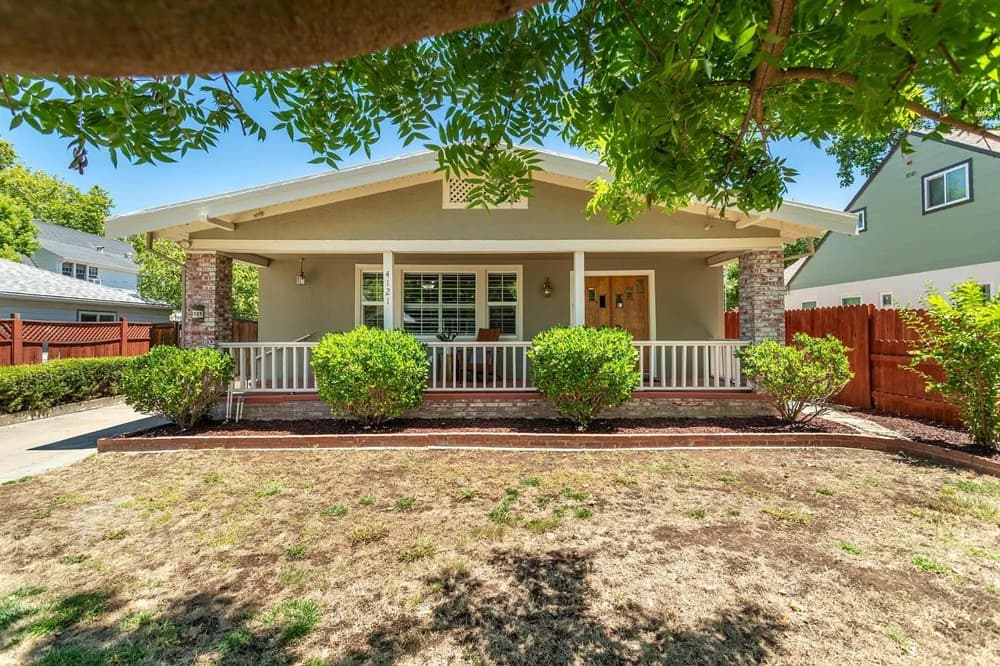
New York, NY
At the upper end of the market, performance has been more localized. Laura Cook of Keller Williams NYC says “the luxury market has been stronger than expected, especially properties north of $4 million,” where cash buyers continue to drive activity in select neighborhoods. While some luxury segments are seeing price softening, others have reached record highs, underscoring the growing divergence within top-tier markets.
Mortgage rates have helped stabilize demand, though affordability remains a limiting factor. Freddie Mac reports the 30-year fixed mortgage rate averaged 6.21 percent as of December 18, down from 6.72 percent one year earlier. While these declines have reopened the market for some buyers, elevated prices and carrying costs continue to weigh on decision-making—particularly in higher-cost metros.

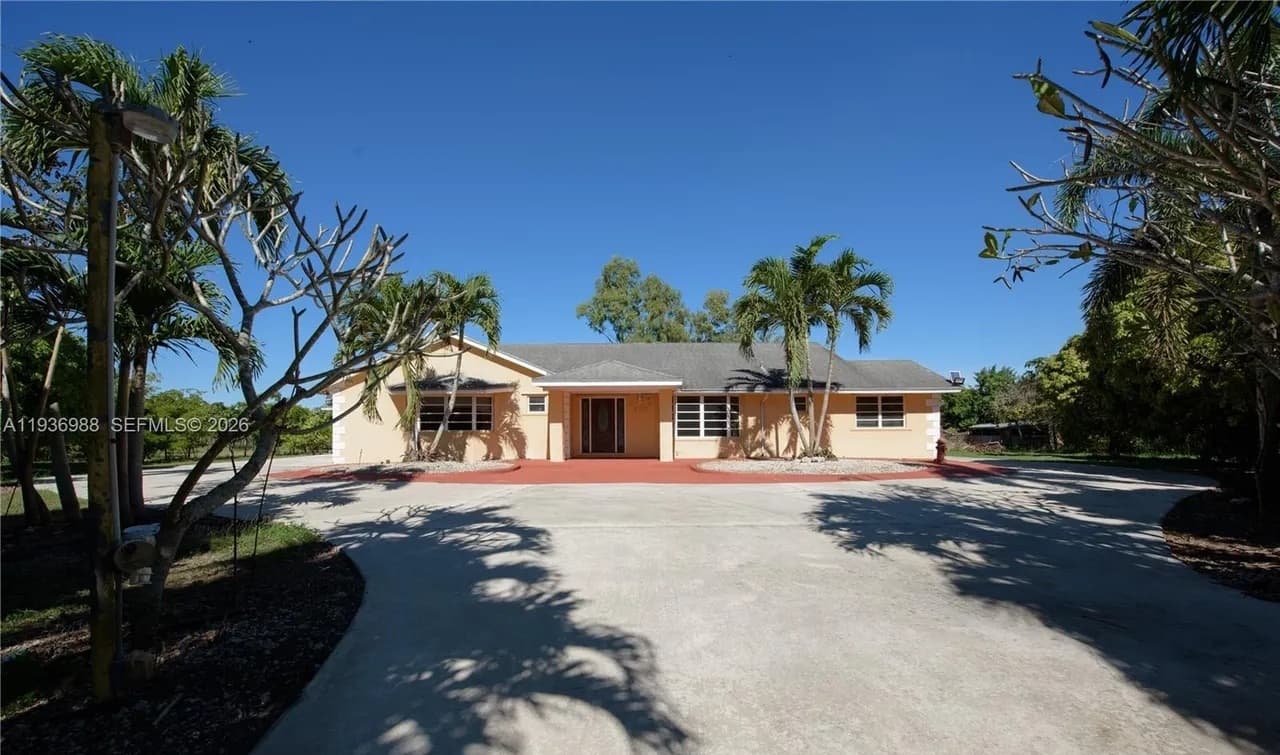
Minneapolis, MN
Price growth has continued to cool accordingly. Cotality data shows national home-price appreciation slowing from 3.4 percent in January 2025 to 1.1 percent by October, reflecting a market adjusting to improved supply and more cautious demand. Negotiations have also become more nuanced. Cook points to Realtor.com data showing 19.9 percent of active listings nationwide recorded price reductions in September, an increase from last year that suggests buyers gained incremental leverage in the fall—though outcomes still vary sharply by neighborhood and price point.
New construction sentiment remains restrained. The NAHB/Wells Fargo Housing Market Index rose slightly to 39 in December, still well below the level that signals builder confidence. Cost pressures, buyer hesitation, and uncertainty around spring demand continue to shape builder outlooks.

San Francisco, CA
Looking ahead, expectations for early 2026 are cautiously optimistic. Cook anticipates renewed momentum as financing conditions improve. “With additional rate cuts expected from the Fed, we should see more buyers step back into the market,” she says, pointing to what could become a stronger than usual spring. Supporting that view, the National Association of REALTORS® is forecasting a 14 percent increase in existing-home sales in 2026, along with a 4 percent rise in the national median home price, suggesting a more active—but still disciplined—market ahead.
As 2025 draws to a close, the housing market is defined less by urgency and more by selectivity. Buyers are moving carefully, sellers are adjusting expectations, and success increasingly hinges on pricing accuracy and market fit. The months ahead are likely to reward patience and preparation, as the market continues its shift toward a more balanced and sustainable rhythm.
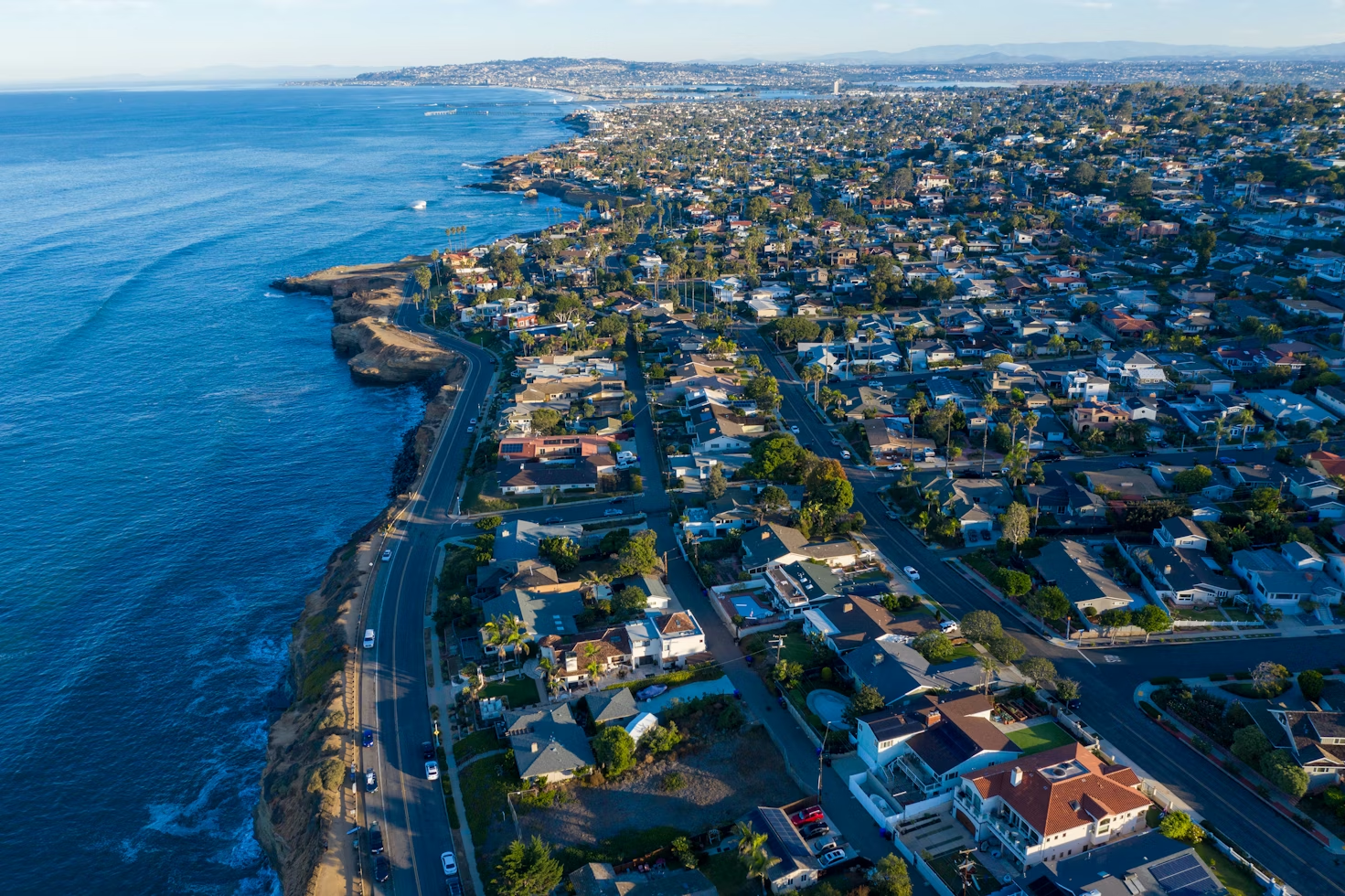
San Diego, CA