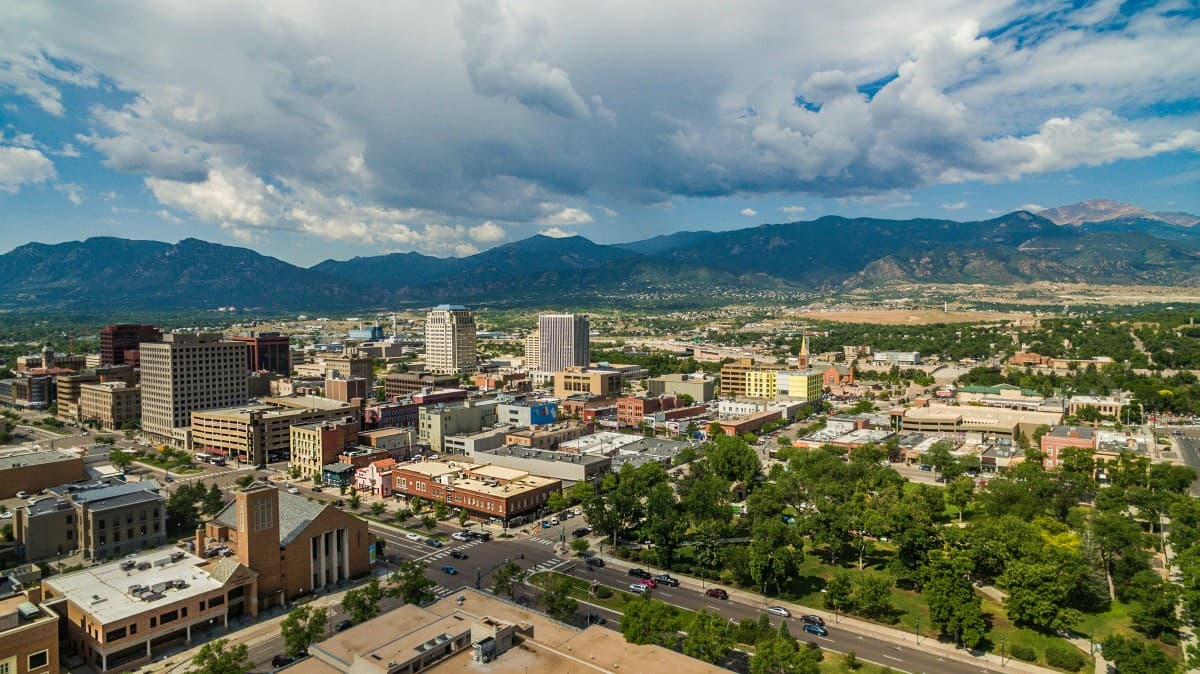
Colorado Springs, CO
After several years of extreme competition and rapid price growth, Colorado’s mountain real estate market spent much of 2025 settling into a more balanced rhythm. What had been a fast-moving, seller-driven environment gave way to something quieter and more measured—one where buyers had time to consider options and sellers had to adjust expectations.
Across many high country communities, inventory increased compared with recent years, though levels remained tight in select luxury markets. This shift didn’t signal weakness so much as a return to normal market behavior. Mountain properties that once sold in days were now taking weeks or months, and negotiations became part of the process again.
The transition didn’t unfold the same way everywhere. Resort markets like Summit County and Steamboat Springs remained active, but buyers became more selective. Well-located, well-designed homes near ski access or town centers continued to perform, while less distinctive properties often required price adjustments or longer marketing periods. In areas like Gunnison and parts of southwest Colorado, comparatively better affordability drew renewed attention.
SUBSCRIBE TO THE HAVEN MAILING LIST
Curated homes, market intelligence and design stories — a few emails a month.
No spam. Unsubscribe any time.
One of the clearest themes of 2025 was that not all homes were valued equally anymore. During the boom years, demand lifted nearly all segments, though 2025 made distinctions between top-quality and more average properties much clearer. Homes with strong location, views, walkability, updated interiors, or proximity to outdoor recreation continued to attract buyers. Homes that lacked those qualities faced more resistance. The market began rewarding real lifestyle value rather than momentum alone.
Interest rates remained elevated compared to the historic lows of the early 2020s, but by 2025 buyers had largely adapted. Many who had paused during the previous year returned with clearer priorities and firmer budgets. Late summer and early fall showed renewed activity as pricing and expectations aligned more closely.
Sellers, too, shifted their approach. The days of automatic bidding wars largely faded, replaced by realistic pricing, inspection negotiations, and more thoughtful marketing. Transactions still happened—but they required strategy rather than urgency.
Lifestyle demand continued to be the backbone of the mountain market. Remote and hybrid work remained common, allowing people to live farther from traditional job centers. For many buyers, the draw wasn’t speculative upside—it was access to skiing, trail systems, fishing, and small-town culture. That lifestyle component proved more durable than short-term investment logic.
At the high end, luxury activity never fully slowed. Aspen, Vail, Telluride, and other elite resort communities continued to see significant sales, reinforcing that global wealth still views Colorado’s top mountain towns as long-term destinations. At the same time, the gap between luxury housing and local workforce housing widened further, putting increasing strain on community infrastructure and affordability.
Looking toward 2026, the outlook for Colorado’s mountain real estate is cautious but steady. Most signs point toward continued balance rather than a return to either frenzy or sharp decline. Inventory is expected to remain more available than during the peak years, and buyers should continue to find room to negotiate—especially outside the ultra-prime segment.
For mountain communities, this moment represents a shift back toward fundamentals. Homes that function well for year-round living, offer access to recreation, and reflect true mountain character are likely to remain in demand. Expectations for quick appreciation, however, have reset.
For mountain communities, this moment represents a shift back toward fundamentals. Homes that function well for year-round living, offer access to recreation, and reflect true mountain character are likely to remain in demand. Expectations for quick appreciation, however, have reset.
For mountain communities, this moment represents a shift back toward fundamentals. Homes that function well for year-round living, offer access to recreation, and reflect true mountain character are likely to remain in demand. Expectations for quick appreciation, however, have reset.