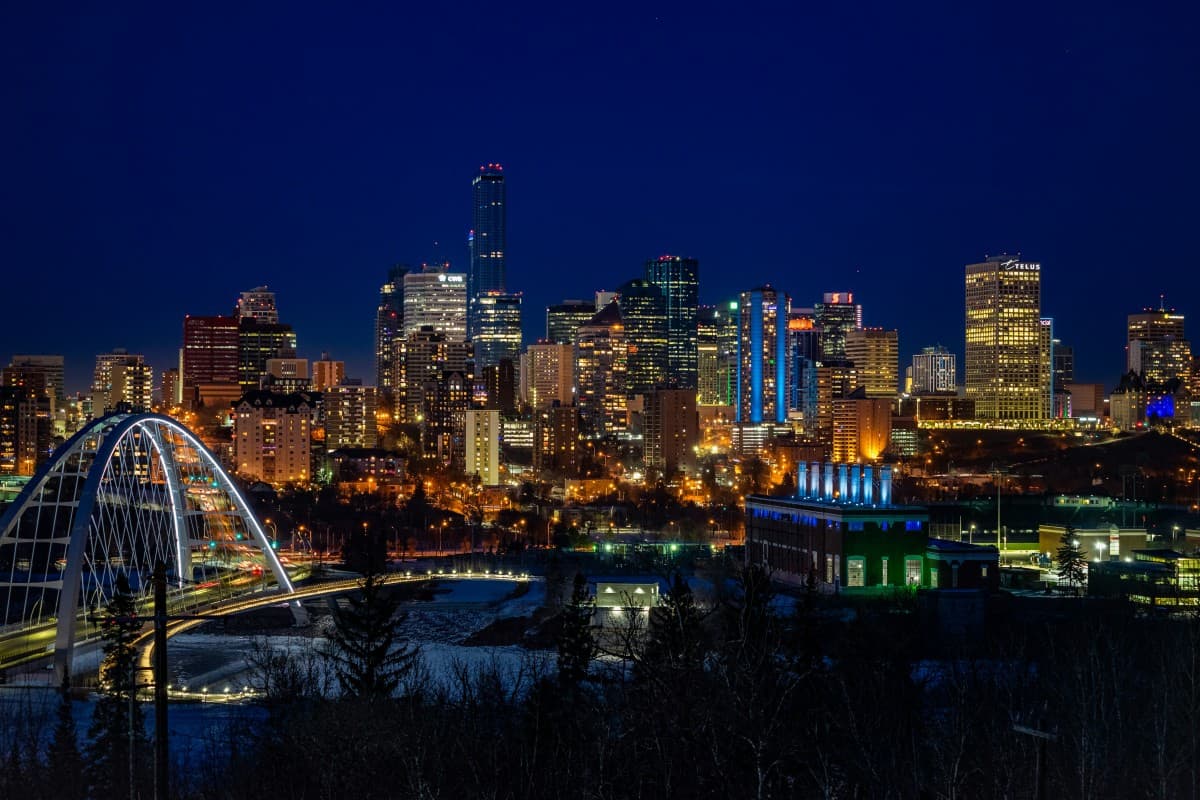
Edmonton, AB
As Edmonton moves into the final weeks of the year, the city’s real estate and lifestyle landscape reflect a period of quiet recalibration. What began with optimism and strong investor interest has evolved into a more measured environment—one defined less by momentum and more by balance, stability, and thoughtful decision-making.
The Market Shift: From Momentum to Stability
Edmonton entered the year with confidence. Early forecasts pointed to steady demand supported by economic growth, population gains, and relative affordability compared to major Canadian metros. But as the year progressed, the pace eased. Industry observers now describe the market as “stable”—a shift toward conditions that feel more sustainable than the rapid swings seen in other cities.
By autumn, month-to-month softening became noticeable. Inventory expanded, prices leveled, and sales activity eased from earlier projections. WOWA reports the average home price in the Greater Edmonton Area at $454,777 in October, a 3.3 percent year-over-year increase despite cooling through late summer and fall. Rather than signaling distress, this moderation reflects a healthier dynamic: one where buyers can act deliberately and sellers adjust expectations without absorbing dramatic losses.
SUBSCRIBE TO THE HAVEN MAILING LIST
Curated homes, market intelligence and design stories — a few emails a month.
No spam. Unsubscribe any time.
Inventory and Buyer Dynamics
One of the clearest trends of the year was the rise in new listings, particularly through spring and summer. This influx shifted conditions away from the competitive environment seen in previous years and toward a more balanced market. Buyers benefited from expanded choice, improved negotiating power, and longer decision windows.
Homes that once sold within days often remained on the market longer, illustrating a city moving toward equilibrium. WOWA data shows the Greater Edmonton Area recorded 2,061 transactions in October, down 6 percent month-over-month—further evidence of the market’s more deliberate pace.
The Detached Home Segment
Detached homes—long the benchmark for Edmonton’s housing landscape—remained resilient throughout the year. Average prices reached $559,585 in October, up 1.0 percent from September and 1.2 percent compared to a year earlier. Families seeking space, affordability, and long-term stability continued to drive this segment, positioning detached properties as one of the city’s steadiest investment categories heading into 2026.
Looking Ahead to 2026
National forecasts anticipate a rebound in Canadian home sales of at least 7.5 percent in the coming year, and Edmonton is well placed to participate in that recovery. Yet local analysts expect the city’s market to maintain its more measured character rather than returning to the rapid pace of earlier cycles.
Interest rates, lending conditions, and Canada’s evolving housing policies will continue to shape buyer behavior. Edmonton’s diversified economy, population growth, and relative price stability suggest a market that will reward informed, strategic choices rather than speculative enthusiasm. While uncertainty remains, the city’s fundamentals remain solid.
The Lifestyle Dimension
Beyond market performance, Edmonton’s lifestyle appeal continued to strengthen in 2025. The city’s cultural anchors—the Art Gallery of Alberta, Winspear Centre, Citadel Theatre, and the Ice District—have expanded year-round programming. Dining has matured as well, with new independent restaurants and breweries emerging along Whyte Avenue, 124 Street, and downtown’s Arts District.
Outdoor access remains one of Edmonton’s signature draws. Improvements within the river valley—the largest urban parkland in North America—have enhanced trail connectivity and winter activity options.
Neighborhoods such as Strathcona, Westmount, Cloverdale, and Riverdale continued to attract buyers seeking walkability, while developments like Blatchford signal Edmonton’s commitment to sustainable, mixed-use living.
A Measured Outlook
As the year concludes, Edmonton presents a portrait of balance. The exuberance of earlier years has settled into a market defined by choice, moderated pricing, and steady demand. For those considering a move in 2026, this environment offers clarity: a landscape where decisions can be made on fit and value rather than urgency. Edmonton’s trajectory points toward consolidation and thoughtful growth—a maturation worth noting as the city looks ahead.