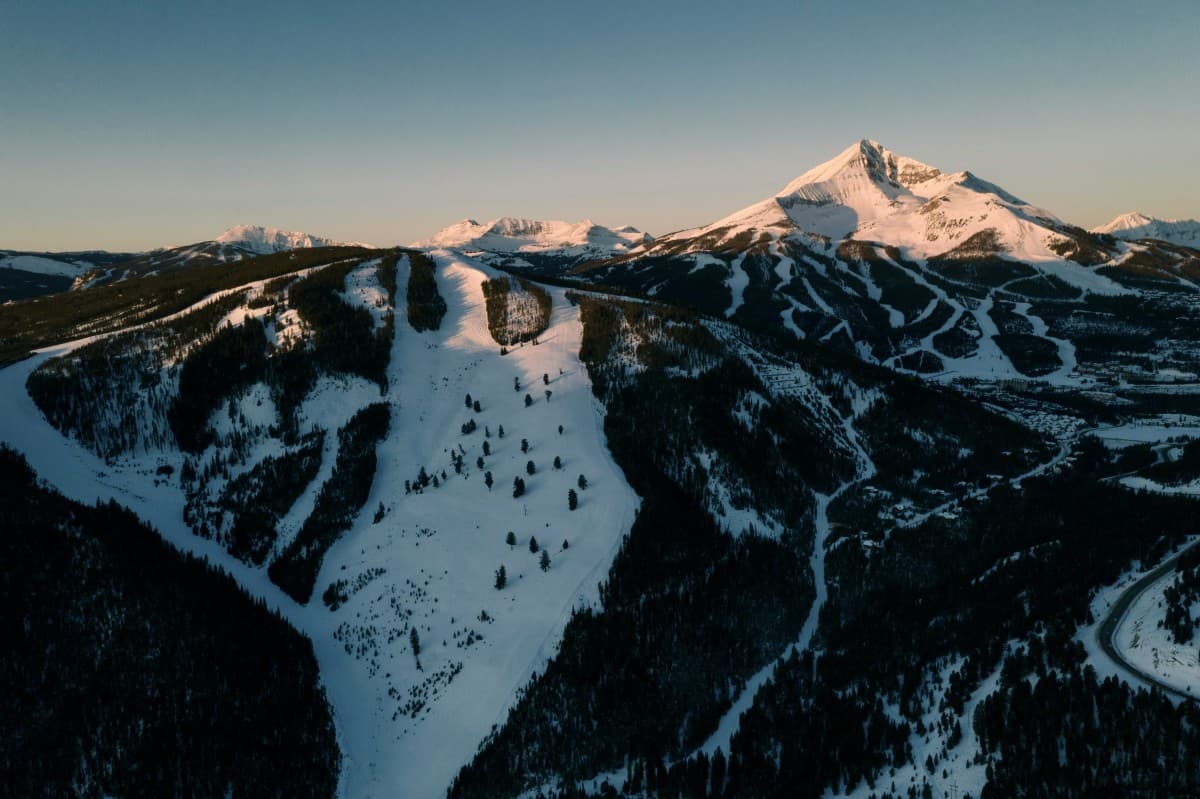
Big Sky, MT
The Mountain West ski market heads deeper into 2026 with the same enduring draw it’s always had: big landscapes and high-alpine towns. What’s changing is how people commit to trips, what they expect for the price, and how resorts are adapting to keep the experience consistent even when the season doesn’t follow a predictable script. Here are five trends shaping the Mountain West ski market this year.
1. A More Unpredictable Winter
The biggest storyline is simple: winter has been less dependable at the exact moments travelers want it most. Early-season conditions can be slow to arrive in some areas, then surge in others, and those swings ripple through everything from how much terrain is open to how confident people feel booking in advance. More travelers are waiting for clearer forecasts and stronger reports before they lock in lodging, which makes the season feel more “last-minute” than it used to—especially for people planning shorter getaways rather than long, pre-scheduled vacations.
SUBSCRIBE TO THE HAVEN MAILING LIST
Curated homes, market intelligence and design stories — a few emails a month.
No spam. Unsubscribe any time.


2. Commitment Windows Are Shorter
When snow arrives late, it doesn’t just change the mountain—it changes behavior. Some skiers still show up no matter what, but casual visitors and first-timers are far more likely to pause, postpone, or pick a different destination. That’s part of why the industry conversation this winter has included softer visit numbers in certain resort portfolios, even as long-term enthusiasm for skiing and mountain travel remains strong. The takeaway for the broader Mountain West is that early-season conditions matter more than ever, because they set the tone for confidence and momentum.
3. A More Value-Conscious Traveler
In 2026, people are asking a more basic question: “Is this trip worth it?” That doesn’t mean demand is gone—it means travelers are paying closer attention to the total cost and looking for places where the experience feels fair for the price. Lodging deals, bundled packages, and clear value add-ons are landing better than vague “premium” positioning. Resorts and towns that can make the trip feel easy—simple logistics, strong dining options, good après energy, and plenty to do beyond the lifts—are more likely to win the comparison game.
4. Modernization Becomes a Divider
Even with a more selective traveler, resorts are still investing—because comfort, speed, and convenience are now part of the promise. Improvements like lift upgrades, better base-area flow, and refreshed guest amenities don’t just look good in marketing; they noticeably change the day-to-day feel of a ski trip. Over time, that creates separation in the market: the resorts that keep modernizing feel smoother, more reliable, and more “complete,” while others have to compete through charm, service, and price.


5. Mountain Towns Go Four-Season
Skiing remains the anchor, but the sell is increasingly the full mountain lifestyle. Resorts and mountain towns are leaning harder into what happens off the slopes—wellness experiences, standout food and drink, local events, and four-season recreation—because that’s what makes a trip feel satisfying even if you don’t ski every hour of the day. It’s also a smart response to unpredictable winters: when a destination is compelling beyond snowfall alone, it stays desirable, visit-worthy, and memorable in every kind of season.