Omaha, NE
The real estate conversation across the central United States is shifting in a way that feels both practical and quietly optimistic. As buyers stay sensitive to affordability and long-term livability, the heartland markets are earning more attention for a simple reason: they pair everyday quality of life with housing that—while not immune to national pressures—often feels more attainable and more fundamentally driven than many coastal alternatives. These are five Midwest markets worth watching in 2026.
1. Kansas City, MO
Kansas City continues to stand out as a market with real momentum and a lifestyle that doesn’t require constant tradeoffs. The city’s appeal isn’t just affordability; it’s the feeling of having options—creative neighborhoods, strong food culture, and an urban core that’s become more walkable and design-forward over time. Weekends can look like visiting galleries in the Crossroads Arts District, an easy night out in Westport, or a live show downtown, all without the sense that the city is trying too hard to be something else.
The real estate scene reflects that steady demand. According to Redfin, Kansas City had a median sale price of $289K in December, up 7.9% year over year, with homes selling in roughly the low-40-day range on average.
SUBSCRIBE TO THE HAVEN MAILING LIST
Curated homes, market intelligence and design stories — a few emails a month.
No spam. Unsubscribe any time.
2. Omaha, NE
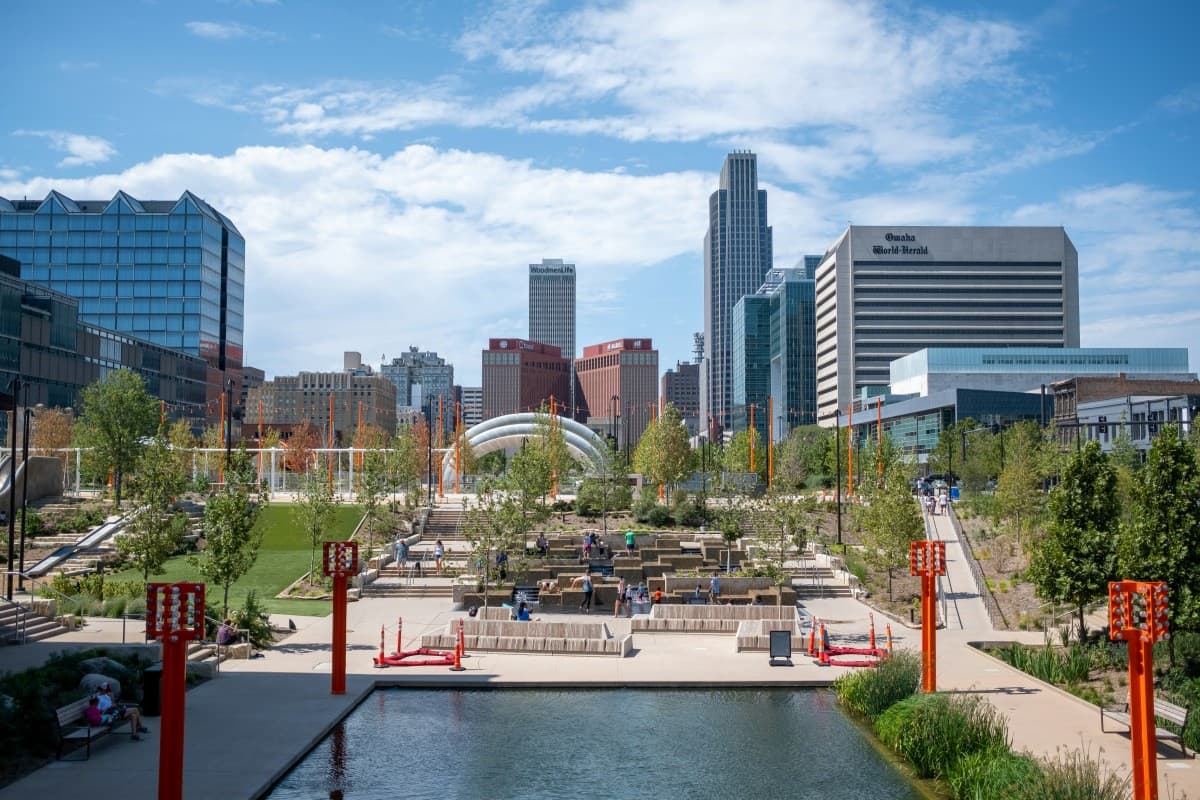
Omaha’s strength is how livable it feels—big enough to offer variety, grounded enough to stay navigable. The Old Market presents brick-lined streets and local restaurants, charming neighborhoods like Dundee offer a more residential atmosphere, and the riverfront and trails provide scenic settings for exploring the outdoors.
Housing has held up with a steadier, less volatile profile than many bigger metros. According to Redfin, Omaha posted a median sale price of $275K in December, up 5.8% year over year, with homes averaging 28 days to sell.
3. Des Moines, IA
Des Moines has become one of the Midwest’s most interesting “watch this” markets because it pairs affordability with genuine investment in place-making. Downtown and the riverfront have evolved into a more active, amenity-rich core, and the city continues to add projects that support a stronger live-work-play ecosystem. According to the Greater Des Moines Partnership, roughly $3 billion has been invested in the city over the past decade, with dozens of development projects active at a time—an indicator of sustained civic and private-sector momentum. . For a weekend itinerary, it’s easy to build a day around the Ingersoll Avenue corridor for dining and browsing, then pivot to parks, trails, and events.
The housing story is similarly measured. According to Redfin, Des Moines saw a median sale price of $210K in December, down 2.3% year over year, with homes selling in roughly the low-30-day range on average.
4. Sioux Falls, SD
Sioux Falls is often described as a growth story, but what makes it compelling is that it still reads as a city with a strong daily life cadence and a clear center of gravity. Falls Park is the obvious landmark, but the broader draw is how easy it is to combine outdoor access with a compact urban core. It’s the kind of place where an active afternoon doesn’t require a plan, and community events do a lot of the work in creating a sense of belonging.
That growth is not just anecdotal. The U.S. Census Bureau estimates show the Sioux Falls metro population has grown about 7.6% since 2020, as reported by South Dakota News Watch. In housing, the market has been steady rather than explosive lately. According to Redfin, Sioux Falls had a median sale price of $312K in December, up 0.6% year over year, with homes selling in 47 days on average.


5. Lincoln, NE
Lincoln offers a distinctive mix: the stability and cultural calendar of a university town, without feeling transient. University of Nebraska–Lincoln helps shape the city’s rhythm, but the everyday appeal is broader—farmers markets, local events, and an easy-access trail network. The historic Haymarket District is the natural starting point for a night out, with a lineup of dining and gathering spots.
Real estate has moved with quiet consistency. According to Redfin, Lincoln posted a median sale price of $288K in December, up 2.6% year over year, with homes averaging roughly 31 days to sell.