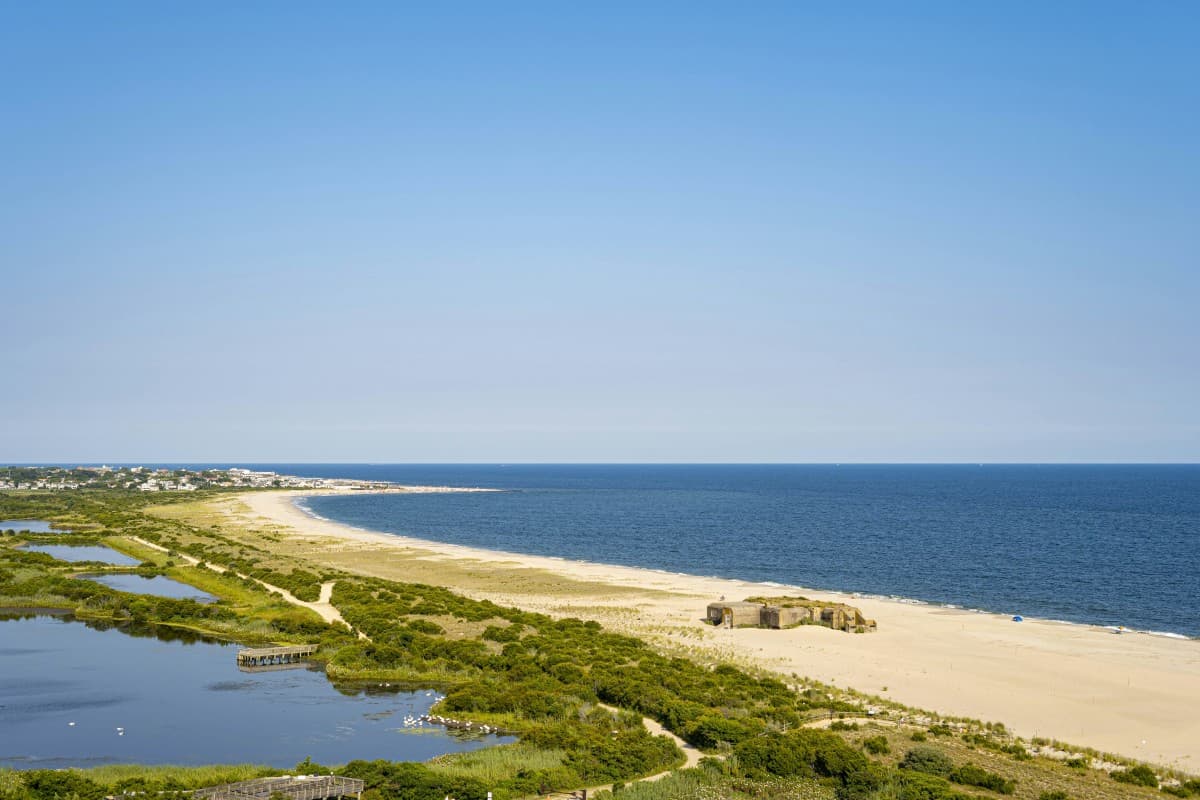
Cape May, NJ
Buying near the water in New Jersey comes with a different set of considerations than buying farther inland. The market is less frenzied than it was during the peak buying surge of the early 2020s, though many shore towns still see steady buyer interest. According to Redfin, the statewide median home price in New Jersey reached $550,000 in January, and coastal properties often sit above that range depending on proximity to the ocean.
With more homes on the market than a year ago, buyers have more options to compare. Still, financing, location, and inspections carry more weight when you are looking near the water.
Here are five things worth paying attention to if you are searching along the Jersey Shore in 2026.
1. Interest Rates Have Steadied
Mortgage rates are no longer moving as sharply as they were earlier in the decade. So far this year, mortgage rates have been hovering around 6%. That level is fairly stable compared with the swings buyers saw in 2022 and 2023.
For buyers, stability helps with planning. Monthly payments are easier to estimate, even though rates remain higher than they were before 2022. When a rate works within your budget, locking it in usually matters more than trying to predict where the market will move next.
SUBSCRIBE TO THE HAVEN MAILING LIST
Curated homes, market intelligence and design stories — a few emails a month.
No spam. Unsubscribe any time.
2. Buyers Have More Options Than They Did Recently
Inventory is starting to recover after several years of tight supply. New Jersey Realtors reported 14,717 homes for sale statewide in January, 5.3% more than the same time last year.
That shift does not mean coastal homes sit on the market for long. Properties with strong water views or prime beach access still draw attention quickly. But overall, buyers are more likely to compare homes and negotiate than they were a few years ago.


3. Coastal Homes Need Careful Inspection
Homes near the ocean face different conditions than inland properties. Homes near the ocean often need closer inspection because exposure to salt air, humidity, and storms can affect exterior materials and major systems over time.
That is why inspections matter even more along the shore. Buyers should ask about storm repairs, water intrusion history, and the age of systems exposed to coastal weather. Flood insurance may also be required depending on the property’s elevation and proximity to water.
4. Local Connections Can Help You See Homes Sooner
Even in a calmer market, well-located coastal homes still attract attention quickly. In some shore towns, buyers working with a well-connected local agent may hear about homes before they are widely advertised.
In smaller shore towns, word often travels quickly among agents and homeowners. Seeing a property early can give buyers more time to evaluate it without the pressure of immediate competition.
5. The Town Matters as Much as the House
At the Jersey Shore, the experience of owning a home often depends on the community itself. Some towns stay active throughout the year, while others are quieter outside the summer season.
Before committing to a purchase, spend time in the area outside peak season. Walk the streets, visit local shops, and see what the town feels like in fall or winter. A place that feels energetic in July may feel very different in January.
A Market That Feels More Balanced
The coastal New Jersey market in 2026 gives buyers a little more breathing room than it did during the peak rush earlier in the decade. Inventory has improved, interest rates are steadier, and buyers can take time to compare homes.
Coastal properties still require careful evaluation, especially when it comes to insurance, maintenance, and location. But for buyers who understand those factors, the Jersey Shore remains one of the more distinctive places to own a home in the Northeast.