Colorado
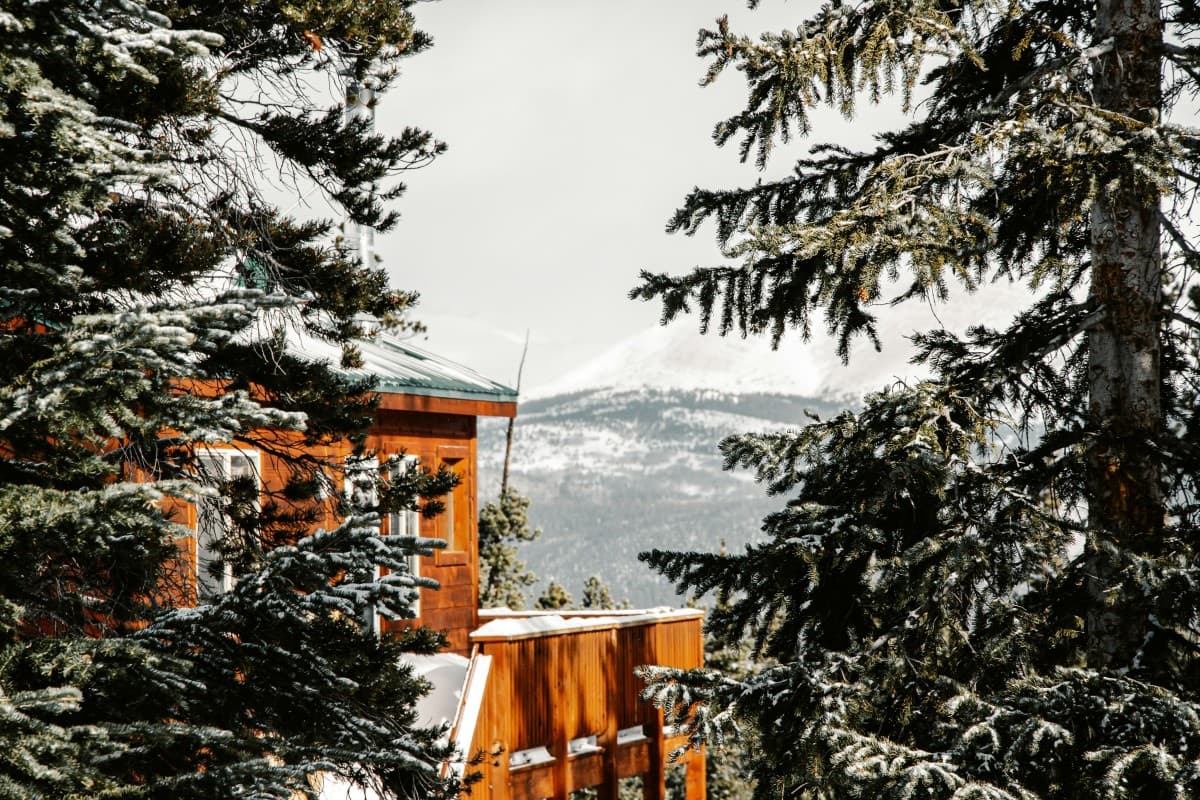
Colorado’s mountain homes have long attracted buyers looking for a place to ski, hike, bike, and unplug. But for many owners, those homes are no longer reserved for a few weekends each season. Longer stays, flexible work schedules, and a growing preference for lifestyle-driven second homes are changing how these properties are used and, in turn, how they are designed.
Homes built for a quick winter trip do not always work as well for extended stays across seasons. As more buyers look for mountain properties that can support everyday routines as easily as a holiday weekend, certain design features are becoming more important. Here are three that stand out.
1. Dedicated Gear Rooms
In the Colorado mountains, gear storage shapes how easily a home handles day-to-day life. Skis, snowboards, bikes, hiking packs, helmets, and wet outerwear can quickly take over a garage or mudroom if there is no dedicated place for them.
That is why dedicated gear rooms have become a bigger selling point in many mountain homes. Usually located near a main entry, these spaces are designed to keep equipment organized, dry, and easy to access. Wall systems for skis and snowboards, shelving for boots and helmets, racks for jackets and packs, and durable flooring for wet gear all help support heavier year-round use. Ventilation matters too, especially during the winter, when damp equipment can bring moisture into the home.
For buyers who spend long stretches in the mountains, this kind of storage makes daily routines much easier.
SUBSCRIBE TO THE HAVEN MAILING LIST
Curated homes, market intelligence and design stories — a few emails a month.
No spam. Unsubscribe any time.

2. Wellness Amenities
Recovery spaces are also becoming more common in higher-end mountain homes. Saunas and cold plunges appeal to buyers who want a place to unwind after skiing, running, or long days on a hiking trail.
What stands out is how these features are now being incorporated into the home rather than treated as separate add-ons. Designers often place them near bathrooms, home gyms, or outdoor terraces so they feel easy to use after activity. Wood and stone are common finishes, helping these spaces feel in step with the rest of the home.
As mountain homes are used more often and for longer stretches, these features start to feel more like part of the overall living experience.
3. Thoughtful Entertaining Layouts
Mountain homes also tend to function as gathering places. After a long day outside, owners often want spaces that make it easy to host friends and family without much effort.
That usually starts with the layout. Kitchen islands create room for cooking and conversation, dining tables are often sized for groups, and flexible seating in living rooms helps people gather without crowding the space. In mountain homes, details like fireplaces, covered patios, and outdoor seating areas matter as well. They make it easier to host in colder weather and help extend the use of the home across seasons.