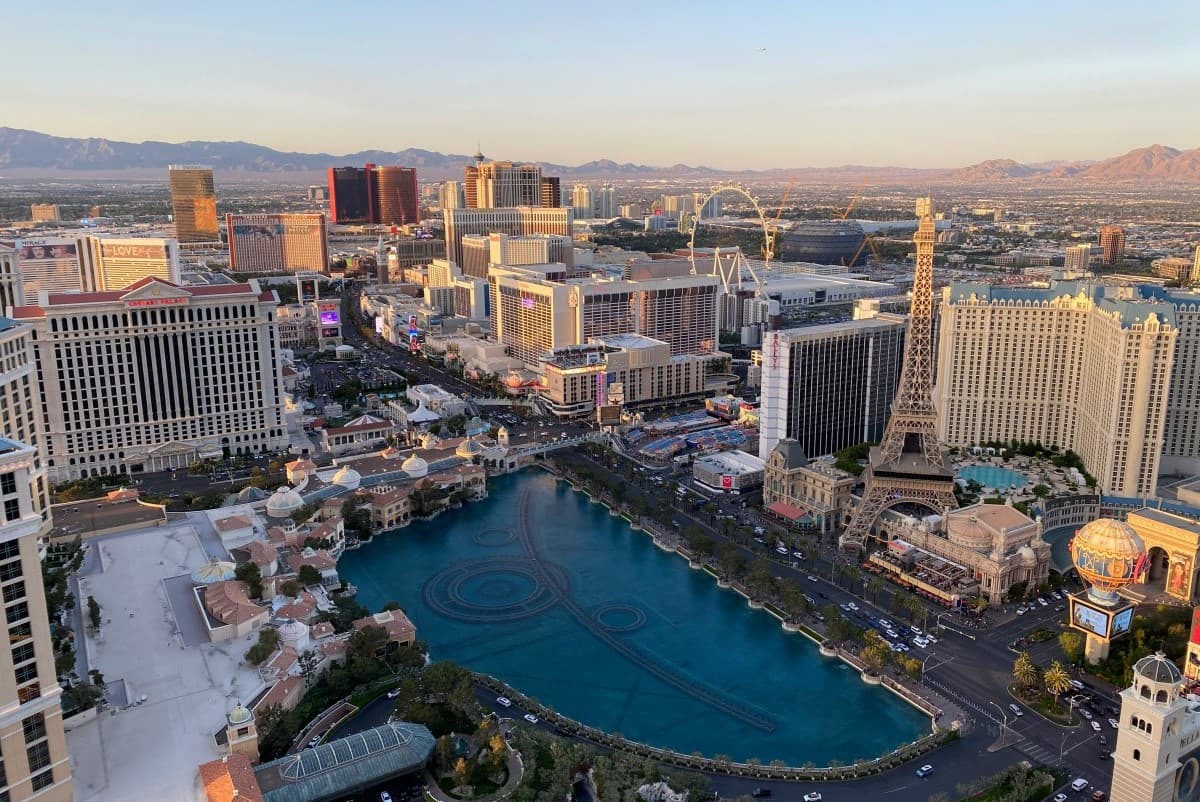
Las Vegas, NV
The Las Vegas housing market in 2025 reflected a noticeable shift toward stability. After several years of pronounced swings in both inventory and pricing, the region settled into a more measured rhythm—one shaped by higher supply, moderated demand, and conditions that more closely resemble historic norms.
A Market Finding Its Balance
Based on Las Vegas Realtors (LVR) data, the median price of existing single-family homes reached $474,370 in October, down 0.2 percent from a year earlier. Rather than signaling a downturn, this modest adjustment reflects a market settling after rapid appreciation earlier in the decade. Inventory increased meaningfully, with 7,538 single-family homes listed without offers in October—about 30 percent more than a year earlier, according to LVR.
Months of supply hovered around four to five months, pointing to conditions that lean more in buyers’ favor than in recent years. Sales volume softened as well, with October transactions down roughly 10 percent compared to the same month last year. Condos and townhomes saw somewhat steeper price adjustments, highlighting the varied responses across different property types.
SUBSCRIBE TO THE HAVEN MAILING LIST
Curated homes, market intelligence and design stories — a few emails a month.
No spam. Unsubscribe any time.
What Shaped 2025
Elevated mortgage rates continued to influence buyer behavior, contributing to a slower pace of activity and longer decision timelines. Migration into Las Vegas appears to have persisted, though at a more measured rate, reflecting a shift toward long-term relocation rather than speculative movement.
The broader economic backdrop remained stable. Hospitality and entertainment—central pillars of the local economy—performed solidly in 2025, helping buffer the housing sector from more pronounced corrections. Several large-scale entertainment and production-related development proposals advanced during the year, reflecting continued investment interest in Southern Nevada even as the residential market cooled.


Looking Ahead to 2026
Forecasts for 2026 point to modest price growth, with expectations generally falling between 3.5 and 4.8 percent. This represents a return to more typical year-over-year appreciation after the dramatic swings of recent cycles. Much will depend on mortgage rate trends: any easing could draw more buyers back into the market, while sustained rate pressure may extend the current period of steady but subdued activity.
Inventory is likely to remain at healthier levels than in the early 2020s, supporting a balanced environment and reducing the likelihood of outsized price increases. The single-family rental market remained strong through 2025, with typical rents often in the low-to-mid $2,000 range, offering stable returns for longer-term investors.
Lifestyle and Demographic Shifts
Las Vegas continued to diversify its identity beyond gaming and hospitality. Growth in dining, arts, and cultural venues contributed to evolving neighborhood dynamics, particularly in areas such as Downtown Las Vegas and the Arts District. These shifts have attracted a wider range of residents, including younger professionals and creative workers.
Las Vegas has also attracted a growing number of high-net-worth buyers in recent years, supported by favorable tax policy. Affluent buyers remain an active segment of the market, though activity in the luxury tier has moderated alongside the broader slowdown.
The Path Forward
By the end of 2025, Las Vegas real estate showed clear signs of recalibration. The market moved away from the rapid price appreciation and tight supply that defined the early 2020s and toward conditions marked by stability and more measured decision-making. If current conditions hold, forecasts for 2026 points to continued normalization—steady, sustainable growth supported by migration, economic stability, and evolving residential preferences.