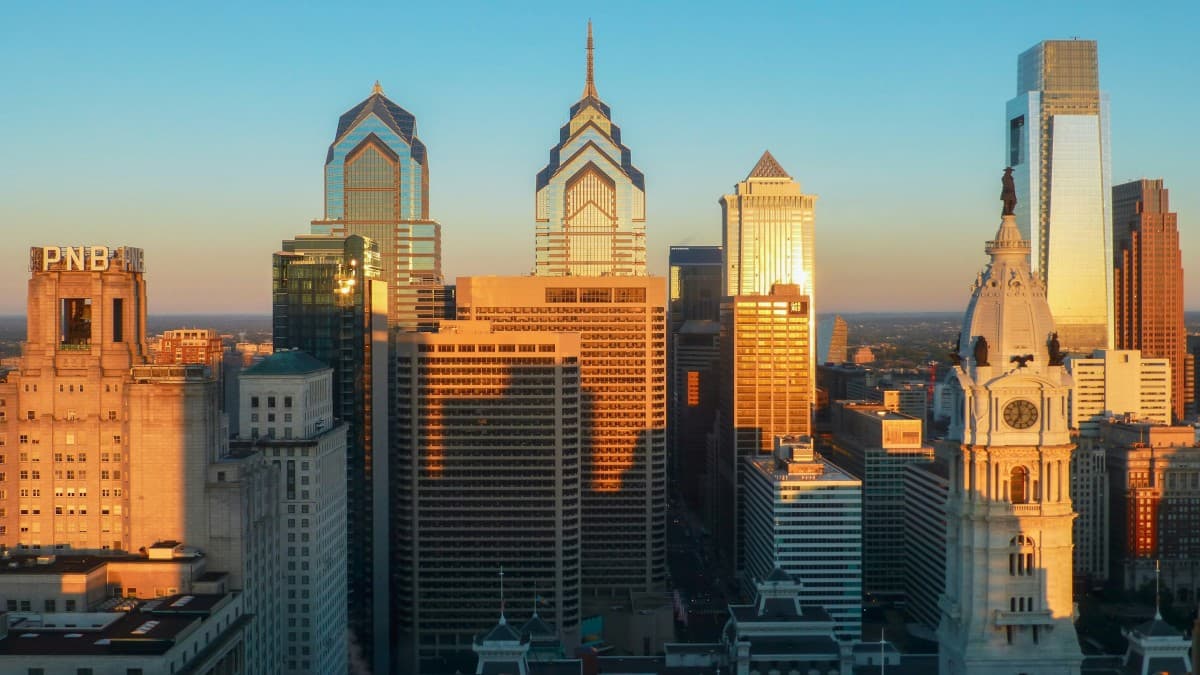
Philadelphia, PA
As Philadelphia moves into the final weeks of the year, the city’s real estate and lifestyle landscape reflects a period shaped by broader economic trends and the distinct character of its neighborhoods. The year brought measured growth, shifts in buyer behavior, and a more settled foundation heading into 2026.
The Market Takes Shape in 2025
Philadelphia’s housing market this year was defined by gradual stabilization after several years of volatility. Home prices posted modest appreciation, rising approximately 2.5 to 4.5 percent over the year. This tempered growth contrasts with sharper fluctuations seen in other major metros, positioning Philadelphia as a comparatively steady market for both first-time and move-up buyers.
While inventory remains constrained in many parts of the Philadelphia market, there are emerging signs of modest growth in listings—suggesting that buyer choice may be improving, though only gradually. Homes typically spent between 40 and 60 days on the market, depending on neighborhood and price point, reflecting steadier activity than in past years. For sellers, this return to more typical negotiation timelines marked a shift toward a more conventional market environment.
The rental sector showed similar moderation. Average rents reached roughly $1,650 to $1,700 by the fourth quarter, supported by consistent demand for multifamily housing. With the surge in apartment completions peaking in 2024 and slowing in 2025, rent growth began to stabilize. Occupancy rates remained in the low to mid-90 percent range, reflecting steady demand despite recent supply growth.
SUBSCRIBE TO THE HAVEN MAILING LIST
Curated homes, market intelligence and design stories — a few emails a month.
No spam. Unsubscribe any time.

Lifestyle and Neighborhood Evolution
Philadelphia’s neighborhood landscape continued to evolve throughout 2025. Cultural institutions, dining districts, and creative hubs remained active components of city life, contributing to steady interest in dense, amenity-rich areas. Neighborhoods such as Fishtown, Rittenhouse, and University City saw continued residential movement, drawing a mix of long-term residents, newcomers, and students.
Investments in public spaces—including improvements to the waterfront and ongoing work in neighborhood parks—added to the city’s livability, signaling sustained attention to urban infrastructure. Upcoming large-scale events, including the 2026 FIFA World Cup and America250 programming, are expected to bring additional activity to the region, with potential implications for local businesses, tourism, and certain real estate segments.


Looking Ahead to 2026
Expectations for 2026 remain cautiously optimistic. Mortgage rate forecasts for 2026 suggest relative stability compared to late 2025 levels, which could encourage additional buyer activity and allow some homeowners to resume plans deferred during periods of rate volatility. A steadier rate environment may also prompt some movement among existing homeowners, potentially improving inventory modestly.
Even incremental increases in available listings would help maintain the more balanced conditions that emerged in 2025. Buyers may continue to find a market with improved choice, while sellers may face a landscape that rewards accurate pricing and clear positioning.
The multifamily sector is expected to continue its adjustment as the supply peak recedes. Rent growth is likely to remain stable, and occupancy levels are projected to hold steady, creating a more predictable environment for both landlords and renters.
The Broader Picture
Taken together, the developments of 2025 point to a Philadelphia housing market that has settled into a more sustainable pattern. The city appears to be moving beyond the extremes of pandemic-era migration and the era of historically low interest rates, entering a phase characterized by steadier activity and clearer market signals.