New York City
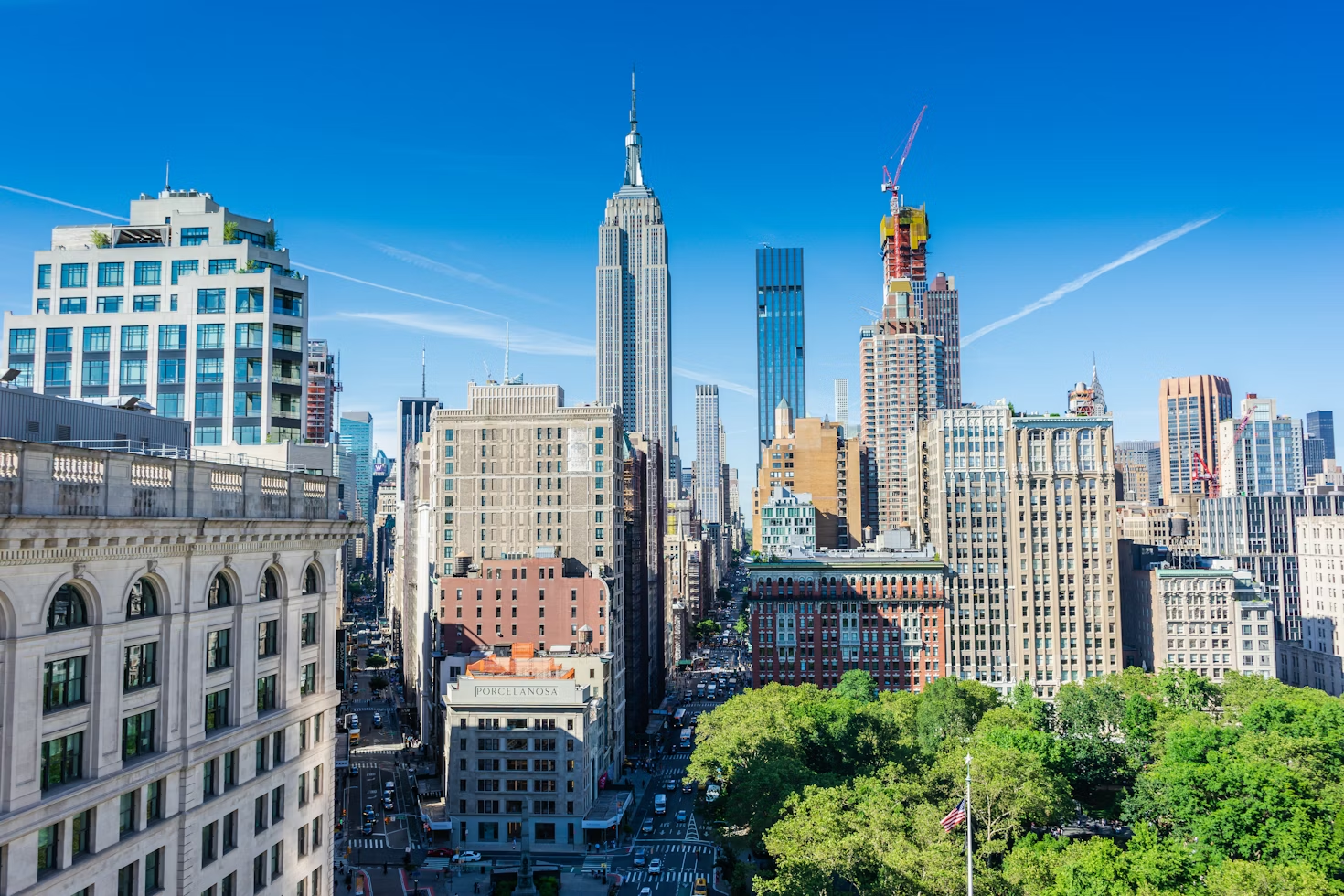
New York City’s residential real estate market has adjusted in notable ways since the pandemic, reflecting lasting changes in how people approach urban living. What started as a response to short-term challenges has developed into broader shifts in housing preferences, technology use, and community priorities. The lines between luxury and mid-market sectors have become less defined, leading to new opportunities and considerations for buyers, renters, and property owners.
Digital Revolution Becomes Industry Standard
The most visible transformation lies in the widespread digitization of real estate transactions and marketing. Douglas Wagner of BOND New York captures this shift perfectly: “The Covid pandemic changed business culture in NYC permanently through a necessary integration of digital platforms to conduct commerce and make deals.” What once seemed like temporary measures have become the industry’s new foundation, with virtual tours, digital staging, and online closings now representing standard practice rather than innovative alternatives.
This digital transformation extends far beyond convenience, fundamentally altering how properties are marketed and experienced. High-definition virtual tours now allow prospective buyers and renters to conduct comprehensive property evaluations from anywhere in the world, expanding the market’s geographic reach while streamlining the selection process. Digital staging has become particularly sophisticated, enabling properties to showcase their potential across multiple design aesthetics without the logistical challenges of traditional staging.
The integration of digital platforms has also democratized access to market information. Real-time pricing data, neighborhood analytics, and property histories are now readily available to consumers, creating a more informed and efficient marketplace. This transparency has elevated the overall quality of transactions while reducing the time properties spend on the market.
SUBSCRIBE TO THE HAVEN MAILING LIST
Curated homes, market intelligence and design stories — a few emails a month.
No spam. Unsubscribe any time.
Rental Renaissance and Location Primacy
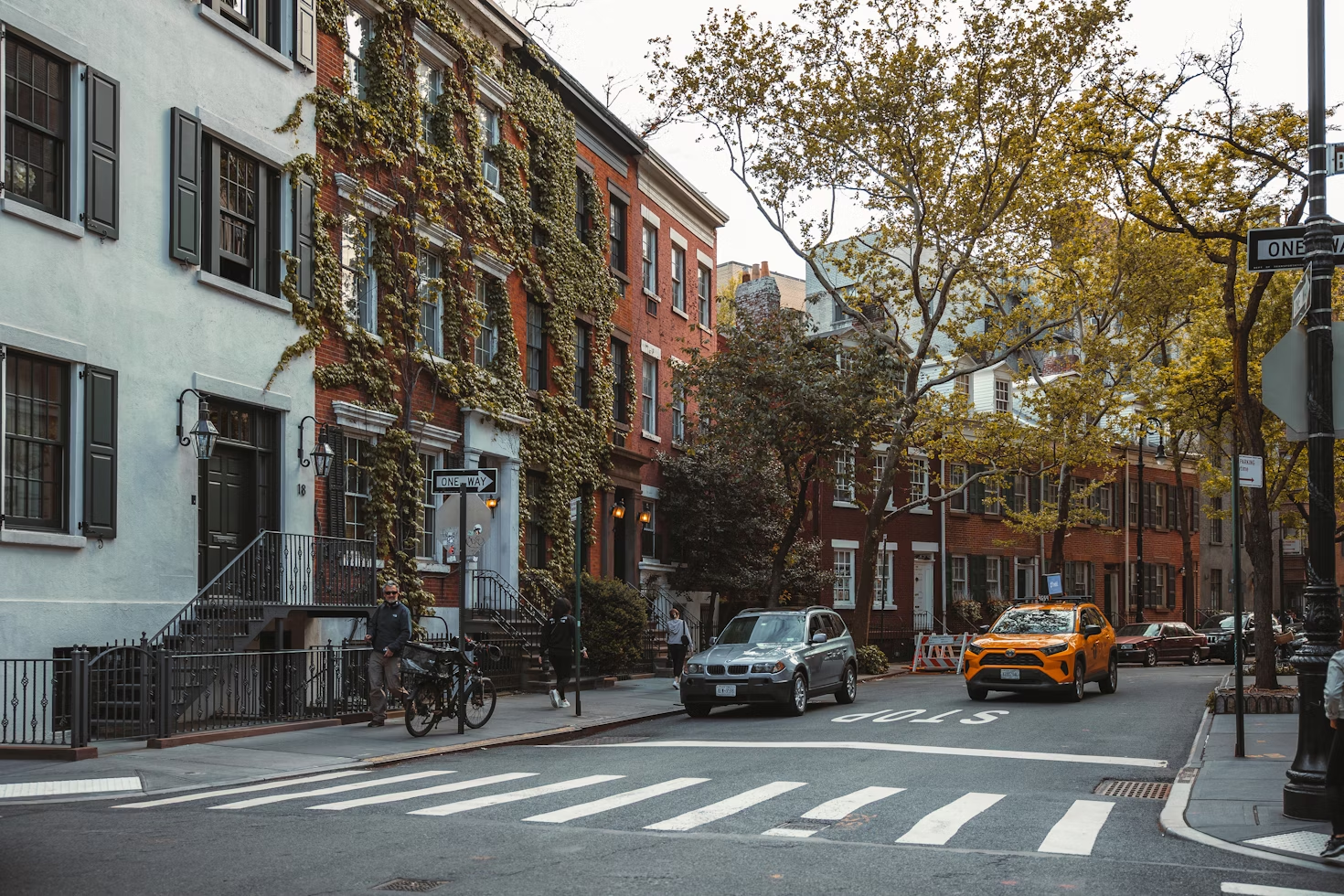
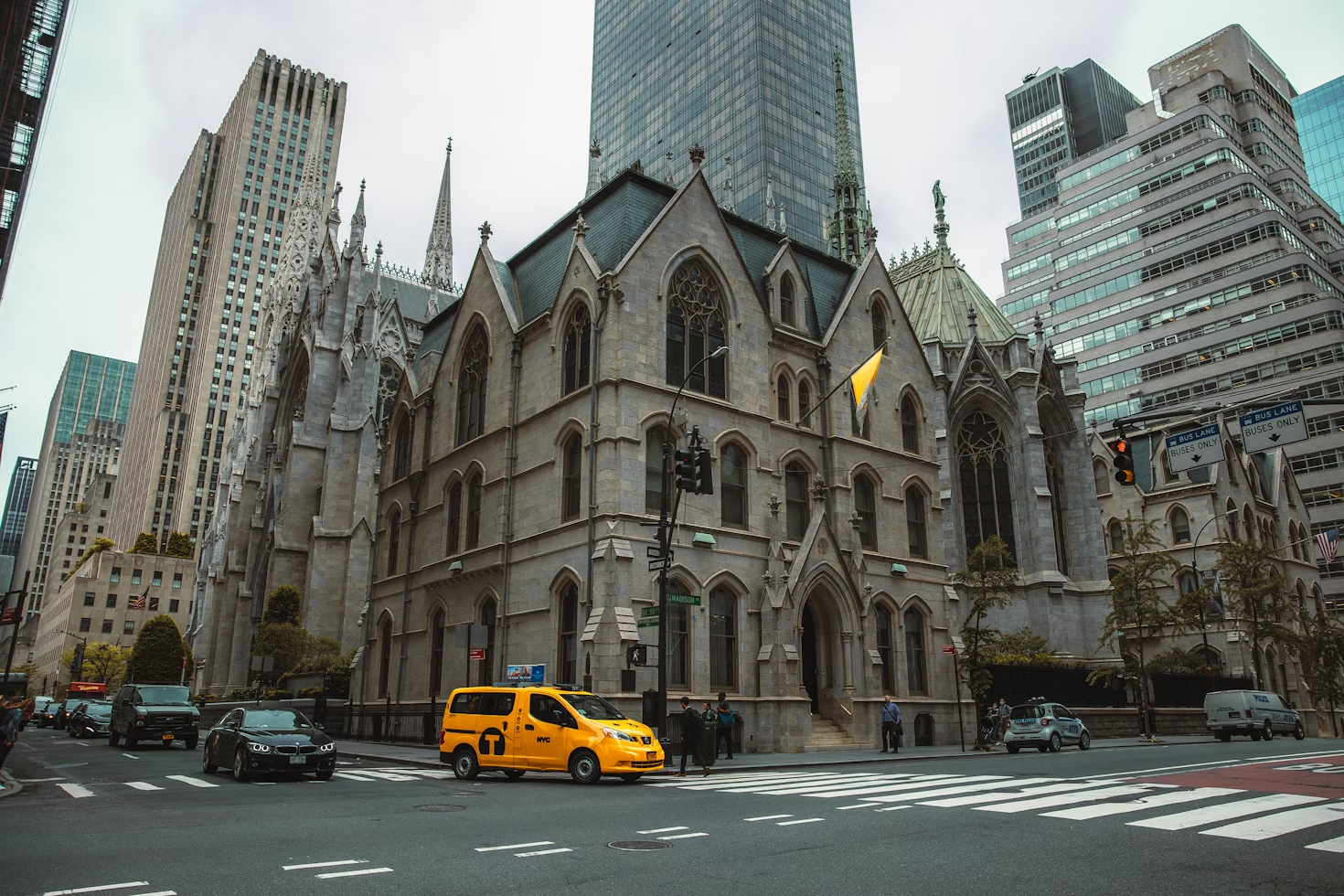
The rental market has experienced perhaps the most dramatic transformation, with demand patterns that reflect both a return to traditional preferences and the emergence of new priorities. Yan Gladkov of Keller Williams NYC notes, “Location reigns supreme again. Renters have returned in force to Manhattan, Brooklyn, and parts of Queens, driven by proximity to offices, cultural venues, dining, and nightlife.” And bidding wars have resurfaced in neighborhoods like the West Village and Flatiron.
This renewed emphasis on location reflects a sophisticated understanding of urban living that extends beyond apartment features to encompass neighborhood character, transportation access, and community amenities. The pandemic’s initial exodus to suburban areas has partially reversed, with renters demonstrating a clear preference for urban connectivity and cultural access. However, overall population numbers in some areas remain below pre-pandemic levels.
The competitive rental environment has created opportunities for landlords who understand the new market dynamics. Robert Rahmanian of REAL New York explains, “What we’re seeing now is a market that rewards intentionality. Renters today are savvy. They’re looking beyond the listing price to the full value package—what kind of service does the building offer, what’s the neighborhood experience, and how professionally is the property being managed?”
This evolution has elevated property management from a background service to a key differentiator. Buildings that offer comprehensive concierge services, responsive maintenance, and community-building amenities command premium rents and maintain higher occupancy rates. The rental market has become increasingly service-oriented, with successful properties functioning more like hospitality venues than traditional residential buildings.
Lifestyle-Driven Decision Making Stabilizes the Market
Perhaps the most profound change in the post-pandemic market is the shift toward lifestyle-centered decision making. Louis Adler, Co-Founder of REAL New York, explains, “Post-Covid NYC isn’t just about bouncing back—it’s about rethinking how we live.” Both renters and buyers “prioritize experience and lifestyle over just layout or square footage,” seeking “thoughtful design, lifestyle amenities, and a sense of community.”
This shift toward personal motivation has created a more deliberate and value-focused pricing environment across both mid-market and luxury segments. Properties are being evaluated based on their ability to enhance lifestyle and meet specific needs rather than their potential for rapid appreciation. The result is a market that rewards quality, location, and thoughtful design over speculative potential.
The luxury sector has particularly benefited from this approach, with high-end properties commanding premium prices when they offer genuine value propositions. Buyers in this segment are increasingly sophisticated, seeking properties that combine architectural distinction with practical amenities and neighborhood connectivity. The mid-market has responded by incorporating some higher-end features, with developers focusing on design quality and building amenities that were once exclusive to luxury developments. However, the distinction between market tiers remains present in pricing and finishes.
This transformation has redefined what constitutes desirable real estate. Properties that offer wellness amenities, flexible spaces, and community-building features have become increasingly valuable. Rooftop gardens, fitness centers, co-working spaces, and social lounges are no longer luxury additions but increasingly common components of competitive properties.
Jared Antin, Managing Director of Elegran Real Estate, notes, “Today’s buyer is active—but also patient, savvy, and deeply value-conscious. They are fearful of overpaying, and they are entering the market with clarity, not desperation. They aren’t motivated by FOMO or external pressure. Instead, they’re driven by personal milestones and long-term goals. They know what they want—and they’re unwilling to settle for less.” He adds that buyers act quickly when they discover a home that truly fits their needs, yet they avoid pursuing properties that don’t meet their expectations. Listings that are overpriced, lack appeal, or are poorly located tend to receive little to no interest.
The emphasis on community has been particularly significant, with successful developments creating environments that foster social interaction and shared experiences. This trend reflects a broader recognition that urban living’s appeal lies not just in convenience and culture, but in the opportunity to build meaningful connections with neighbors and community.
Adaptive Reuse and Market Innovation
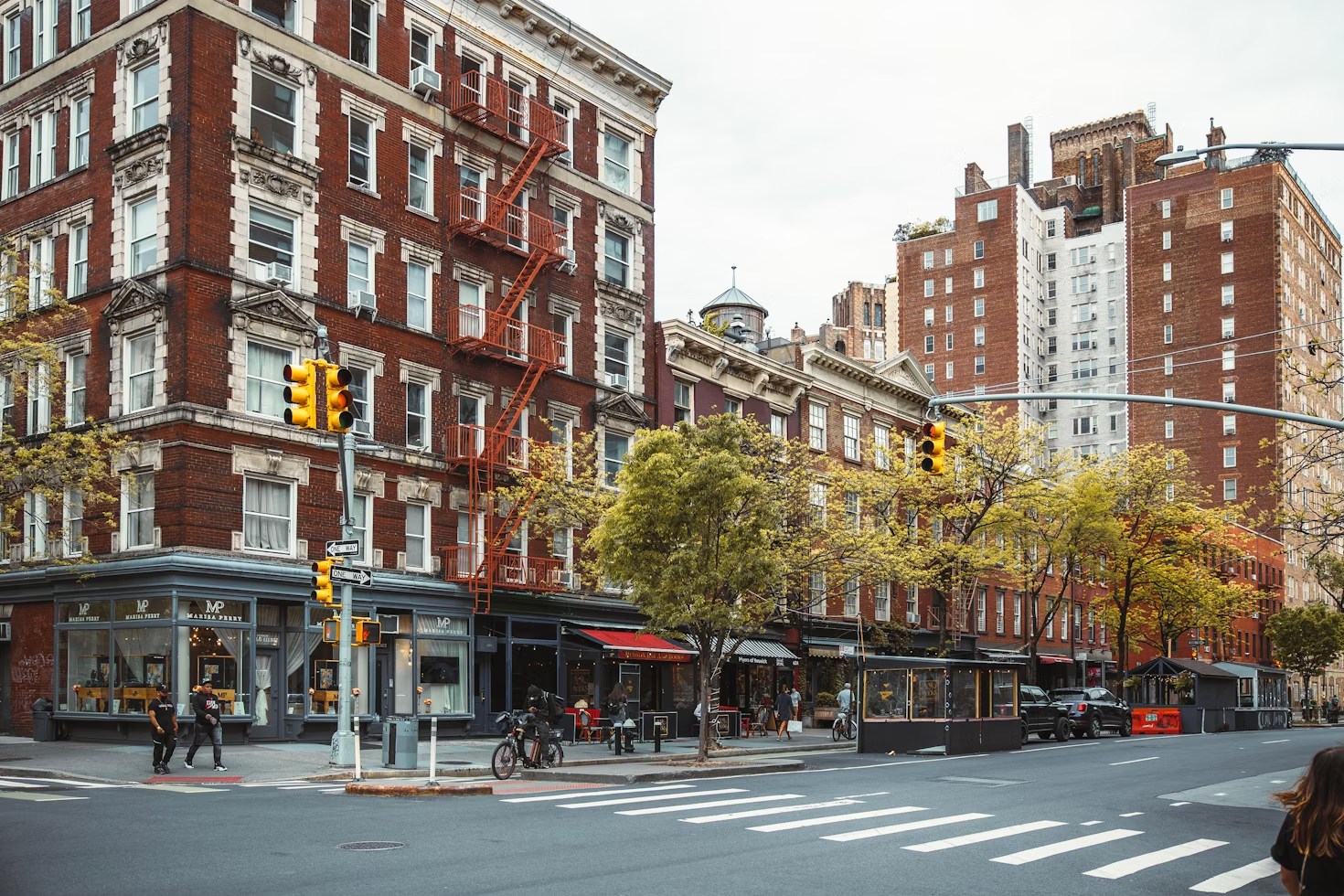
The market’s evolution has been accelerated by innovative approaches to property development and repositioning. Adler notes a boom in adaptive reuse projects: “We’re deep into the era of conversions,” with office-to-residential and hotel conversions driving new housing stock in well-connected neighborhoods.
These conversion projects have addressed multiple market needs simultaneously, providing new residential inventory while revitalizing commercial districts affected by changing work patterns. The projects have been particularly successful in neighborhoods with strong transportation infrastructure and cultural amenities, creating residential communities in previously commercial areas.
Hotel-to-residential conversions have been especially innovative, often retaining hospitality-style amenities while providing the privacy and permanence that residential tenants seek. These projects have created unique living environments that blend the service orientation of hospitality with the community aspects of traditional residential buildings.
Market Outlook and Future Trajectory
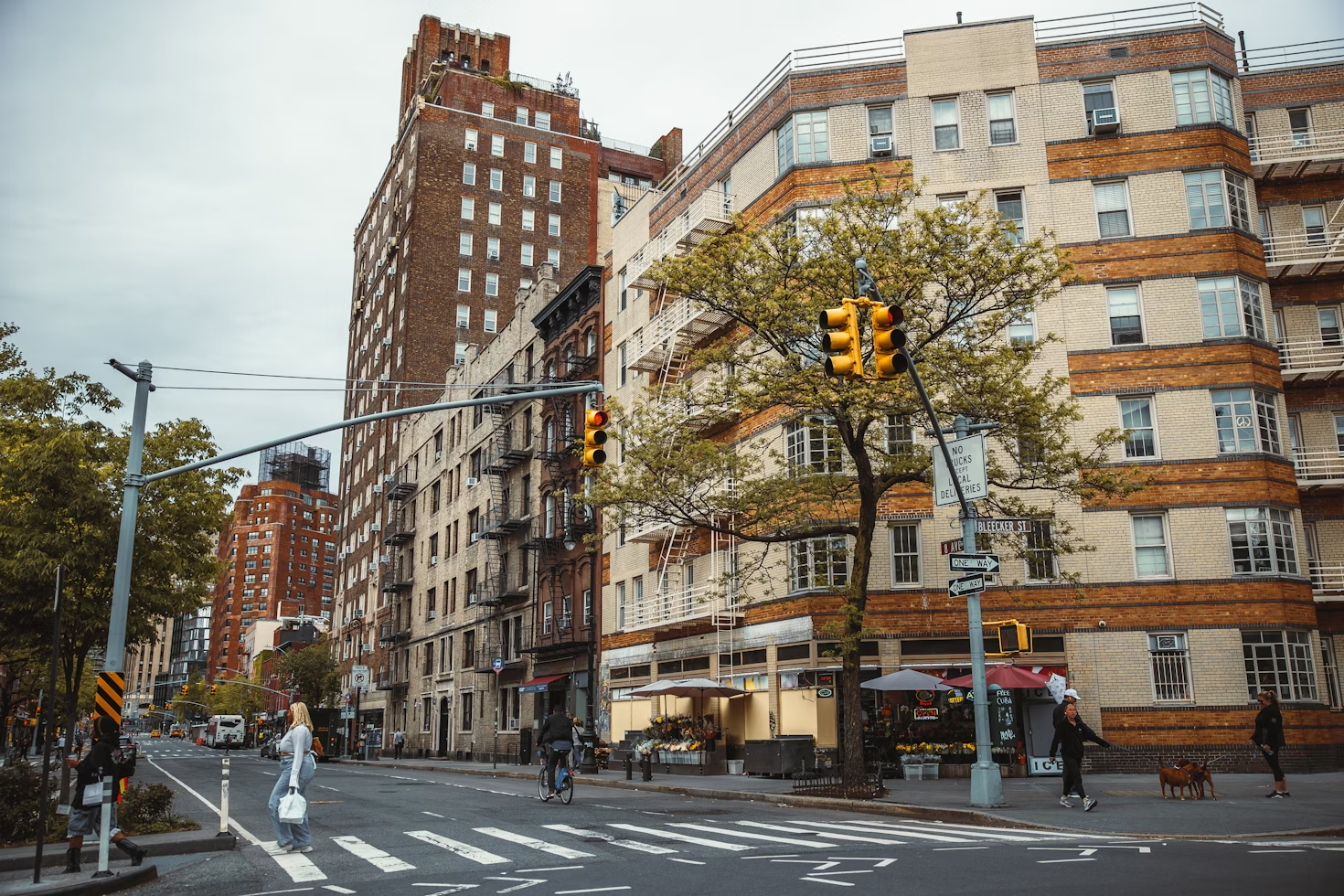
The current market reflects a lasting evolution, not a temporary shift. Digital tools, lifestyle amenities, and community-focused design are now firmly established elements of New York real estate, driving premium prices across all segments. Strong demand in prime Manhattan rentals and renewed interest from both domestic and international buyers point to ongoing strength, though the pace of future growth will depend on economic factors and housing supply.
Looking ahead, the market’s success will likely depend on its ability to continue evolving in response to changing lifestyle preferences and technological capabilities. Properties and neighborhoods that can adapt to new ways of living and working while maintaining the essential character that makes New York attractive will continue to thrive in this transformed landscape.