
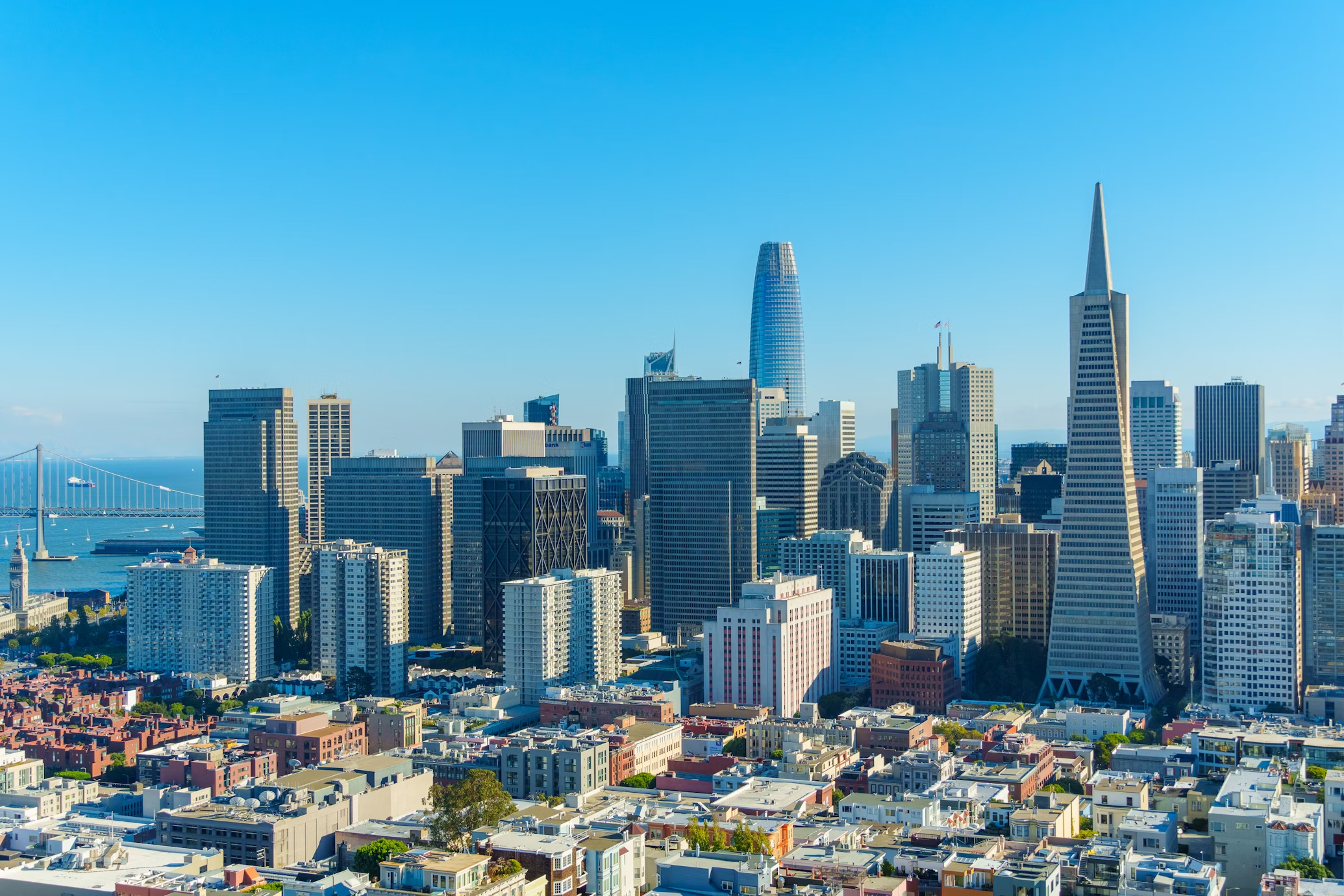
San Francisco, CA
By Breck Hapner
Sotheby’s International Realty’s 2025 Luxury Outlook highlights key trends shaping global luxury real estate, including an $84 trillion intergenerational wealth transfer and the migration of 128,000 high-net-worth individuals in 2024. The sector remains resilient amid economic shifts, with women emerging as dominant investors controlling $34 trillion by 2030. Demand for branded residences has surged to a $66 billion market, while sustainability and wellness features increasingly influence home designs. Climate events, such as the 2025 Los Angeles wildfires, are also reshaping investment priorities.
Market Outlook: A Strong Future for Luxury Real Estate
The luxury market remains robust as economic conditions stabilize. Limited inventory in prime locations has driven a 65% rise in luxury home values since 2019. Despite economic uncertainties, confidence remains high, with record-breaking sales in 2024, including a $65.5 million Dubai villa and a $28.5 million Florida estate. Emerging markets like Anguilla and Poland are attracting interest, and analysts forecast moderate price growth, with a 4.8% rise in 2024 before slowing in 2025.
SUBSCRIBE TO THE HAVEN MAILING LIST
Curated homes, market intelligence and design stories — a few emails a month.
No spam. Unsubscribe any time.
Wildfires Impact Housing Supply and Prices
The January 2025 Los Angeles wildfires, expected to be the costliest climate disaster in U.S. history, destroyed high-value real estate, worsening the housing shortage. The displacement of residents has fueled rental demand and construction costs. Despite the devastation, analysts expect sales to rebound by spring 2025. Luxury real estate remains strong, with median U.S. home prices hitting a record $426,900 in mid-2024. Ultra-high-end sales, including properties over $100 million, are set to double year-over-year, with cash transactions dominating the market.
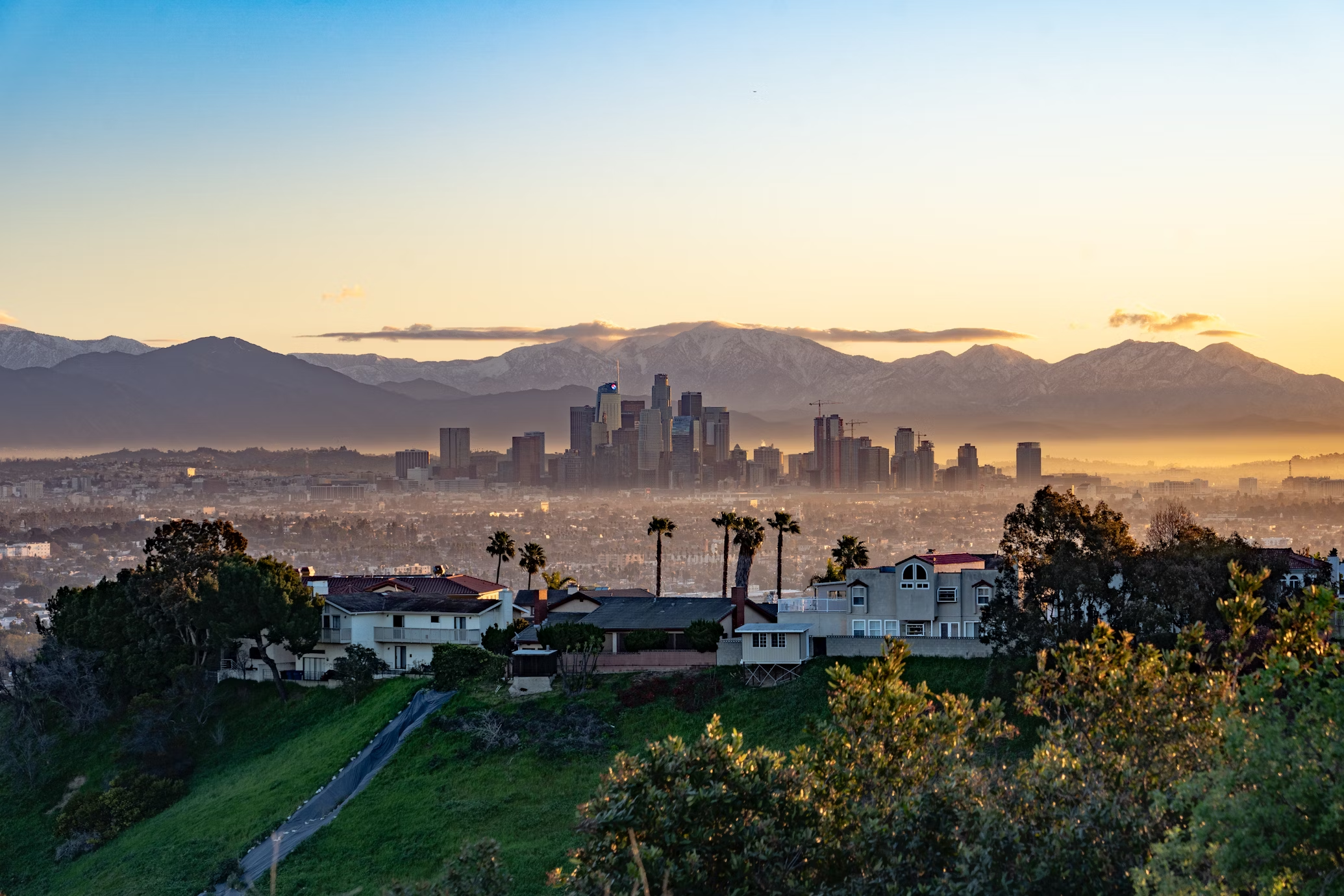
Los Angeles, CA
Global Economic Stability Supports Property Markets
The global economy has stabilized, balancing luxury real estate after pandemic volatility. While overall U.S. home sales declined in 2024, the luxury sector outperformed, supported by stock market gains and increased inventory. Mortgage rates remained above 7%, affecting buyer psychology, though upper-tier markets in California, New York, and Boston remained steady. International buyers have yet to return fully, with foreign purchases dropping 36%. However, interest is resurging in key cities like New York, Los Angeles, and Miami, while Austin continues to gain traction. Private aviation is also fueling demand in remote markets like Montana and Palm Beach.
New Home Construction and Branded Residences Gain Momentum
New home construction has increased but remains behind demand, with new home sales steady at 670,000 annually. Luxury buyers prefer new builds over renovations, and branded residences with premium services are gaining traction. In Napa Valley, demand is rising for estates featuring wellness-focused amenities like gyms, spa-like bathrooms, and productive gardens.
Investment Landscape and Interest Rate Adjustments
The Federal Reserve cut interest rates from 5.25% to 4.75% by late 2024, with further reductions expected in 2025. Inflation concerns, tariffs, and mortgage guarantor privatization add uncertainty. Mortgage rates, projected to stabilize between 6.4% and 6.6% in 2025, will influence buying trends. Global central banks are adjusting policies to balance inflation and growth.
Political Shifts Influence Luxury Markets
Global elections in 2024 impacted real estate. A Republican victory in the U.S. triggered a stock market surge and strengthened the dollar, though tariffs may drive inflation. The U.K.’s Labour government boosted property values but shifted luxury focus to U.S. buyers. India’s ruling BJP retained power, driving a projected 7.75% rise in high-end real estate.

Austin, TX
Global Wealth Migration Reshapes Demand
A record 128,000 high-net-worth individuals relocated in 2024, with 135,000 expected in 2025. The U.S. remains the top destination, with Florida, Texas, and North Carolina gaining traction due to tax advantages. The UAE led in attracting wealthy migrants, while China saw the highest outflow, losing 15,200 millionaires.
Residency-by-investment programs, or “golden visas,” continue to attract wealthy investors. Greece has gained nearly $6 billion from its program, while Portugal and Singapore remain key players. Despite some nations phasing out these initiatives, over 100 countries still offer them, fueling foreign investment and job creation.
Generational Wealth Transfer and Changing Buyer Demographics
Luxury real estate is transforming as $84 trillion shifts from Baby Boomers to Gen X and Millennials by 2045. Many wealthy parents are gifting properties, while Gen X—now the fastest-growing luxury buyer segment—prioritizes smart homes, larger spaces, and high-end amenities. Single women are an emerging force, making up 20% of luxury buyers and projected to control over 50% of global wealth by 2030.
Millennials Drive Luxury Market Trends
Now the largest group of homebuyers in 2024, Millennials represent 38% of all purchases, favoring turnkey homes, outdoor entertainment spaces, and smart technology. Social media heavily influences their preferences, with Instagram and TikTok shaping design trends. Internationally, Italy has become a prime destination for Millennial buyers due to tax incentives and lifestyle appeal. In the U.S., cities like Nashville and Washington, D.C., are seeing a rise in Millennial luxury buyers.
Top Cities for Luxury and Livability
Global rankings highlight economic stability, cultural vibrancy, and luxury living as key factors for top cities. Vienna, Zürich, and Calgary rank among the world’s most livable cities, influencing luxury real estate trends. In the U.S., Naples, Florida, and Colorado Springs lead due to outdoor accessibility, economic resilience, and the shift to remote work.

Calgary, AB
Midwest Luxury Real Estate on the Rise
Midwestern cities are emerging as prime real estate markets, offering affordability and strong demand for luxury properties. In 2024, ZIP codes in Cincinnati, Milwaukee, and St. Louis ranked among the top 10 for real estate sales, with homes selling in just 13 days. Cities such as Indianapolis, Des Moines, and Madison are seeing population growth, with luxury buyers drawn to spacious properties with waterfront access.
Branded Residences Offer Luxury Living
Branded residences have surged 150% in the past decade, reaching a $66 billion market. Cities like Miami and Dubai are leading the trend, offering high-end buyers exclusive design, five-star amenities, and strong investment potential.
AI in Luxury Real Estate
AI is transforming the industry, streamlining marketing, data analysis, and client targeting. With the potential to generate $180 billion in real estate value, AI is already optimizing listings, social media promotions, and market insights. While AI enhances efficiency, human expertise remains crucial for complex transactions.
Sustainability and Hybrid Homes Gain Popularity
Luxury buyers are embracing hybrid homes with eco-friendly features like solar panels and green roofs. Energy-efficient homes typically sell for 3% to 5% more. U.S. solar use is expected to grow 75% by 2025, while Sweden’s green roof regulations are cutting energy use by up to 90%. Smart thermostats are also gaining traction, with U.S. adoption projected to hit 16.3% by 2029. While sustainability is a priority, many buyers prefer hybrid models that balance renewable and traditional energy sources. As green living becomes an expectation, it continues to redefine luxury real estate.

Cincinnati, OH