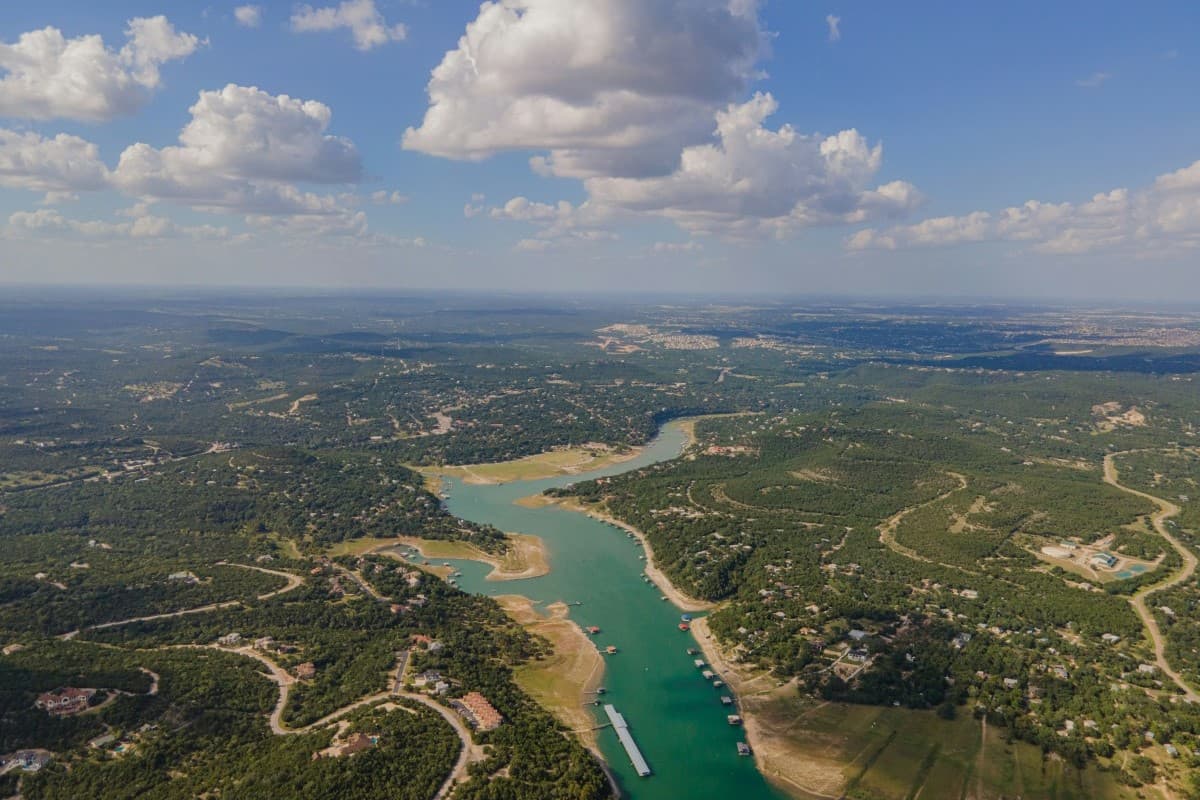
Jonestown, TX
After several years of sharper swings, the Texas Hill Country luxury market looks more balanced this spring, with inventory rising, buyers gaining more room to negotiate, and sellers facing a market that is less forgiving of aspirational pricing.
A Market With More Room for Buyers
The broader Texas housing market is expected to post only modest growth this year, with the Texas Real Estate Research Center projecting sales gains of about 2.5% year over year and 1.3% median price growth statewide. In and around the Hill Country, that slower pace has helped create more buyer-friendly conditions, particularly at the upper end. According to Unlock MLS, active listings in the Austin-Round Rock-San Marcos MSA rose 4.5% year over year to 33,751 homes in Q1, while months of inventory reached 5.5, giving buyers more flexibility as sellers adjust to a more deliberate pace of demand. At the luxury end, Eleven Oak Realty’s Luxury Real Estate Price Report for March showed that the Austin market posted a median sold price of $1.395 million, up 1.8% from a year earlier. Together, those figures point to a market that is active, but far less frenzied than it was during the peak pandemic-era run-up.
SUBSCRIBE TO THE HAVEN MAILING LIST
Curated homes, market intelligence and design stories — a few emails a month.
No spam. Unsubscribe any time.

Design Preferences Are Moving Toward Restraint
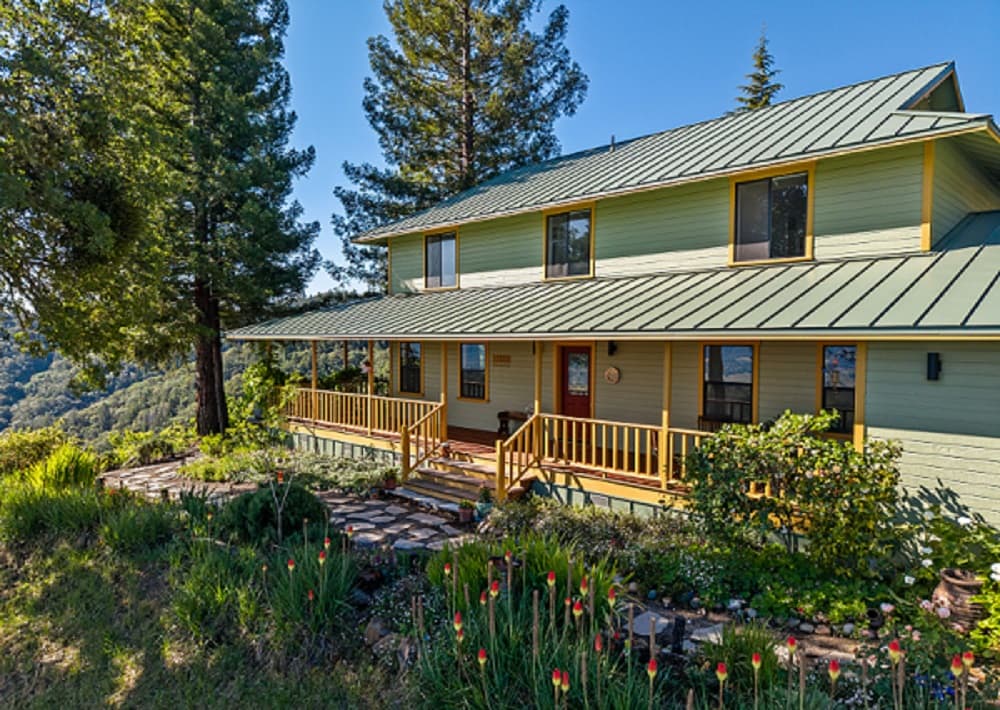
In terms of design, homes that feel rooted in the landscape are gaining more traction than those that could sit anywhere. Native stone, reclaimed materials, and architecture that responds to the terrain are increasingly favored over generic high-end finishes or overly polished contemporary formulas. In practice, that means buyers are responding to homes that feel specific to the region rather than imposed on it.
Sustainability is also becoming more embedded in what high-end buyers expect. Energy-efficient systems, water-conscious landscaping, and responsibly sourced materials are becoming part of the baseline for new luxury construction and major renovations. Outdoor living spaces remain central, but they are being approached less as showpieces and more as functional extensions of the house, shaped by views, airflow, shade, and the natural contours of the site.
Inside, the design language is trending quieter as well. Neutral palettes, durable materials, and craftsmanship are being emphasized more than trend-based interiors.
Lifestyle Still Drives the Region’s Appeal
What continues to support the market, even in a more measured period, is the lifestyle attached to it. The Hill Country remains attractive not just for its homes, but for its wineries, golf courses, hiking and biking trails, farm-to-table restaurants, and a pace of life that feels more relaxed without being disconnected from urban life in Austin.
Wellness has become a more visible part of that appeal. Buyers are placing more value on fitness rooms, spa-like baths, outdoor recovery spaces, and landscaping that creates a calm and secluded atmosphere. Remote work has reinforced those priorities. High-speed connectivity and dedicated office space are now standard expectations, not extras, and they have widened the buyer pool to include affluent professionals who can work from home.
There is also a growing premium on community. Buyers are paying attention to whether a neighborhood or town offers local gathering places, events, and a strong identity.
A More Grounded Spring
The Texas Hill Country luxury market looks more balanced, more selective, and more realistic. Buyers have more options and more leverage, while sellers are being pushed to price carefully and present properties well. For the Hill Country, that may be a healthier place to be. The region’s strongest properties have always depended on land, architecture, and a lifestyle that feels difficult to replicate elsewhere. In a calmer market, those advantages may become easier to see.