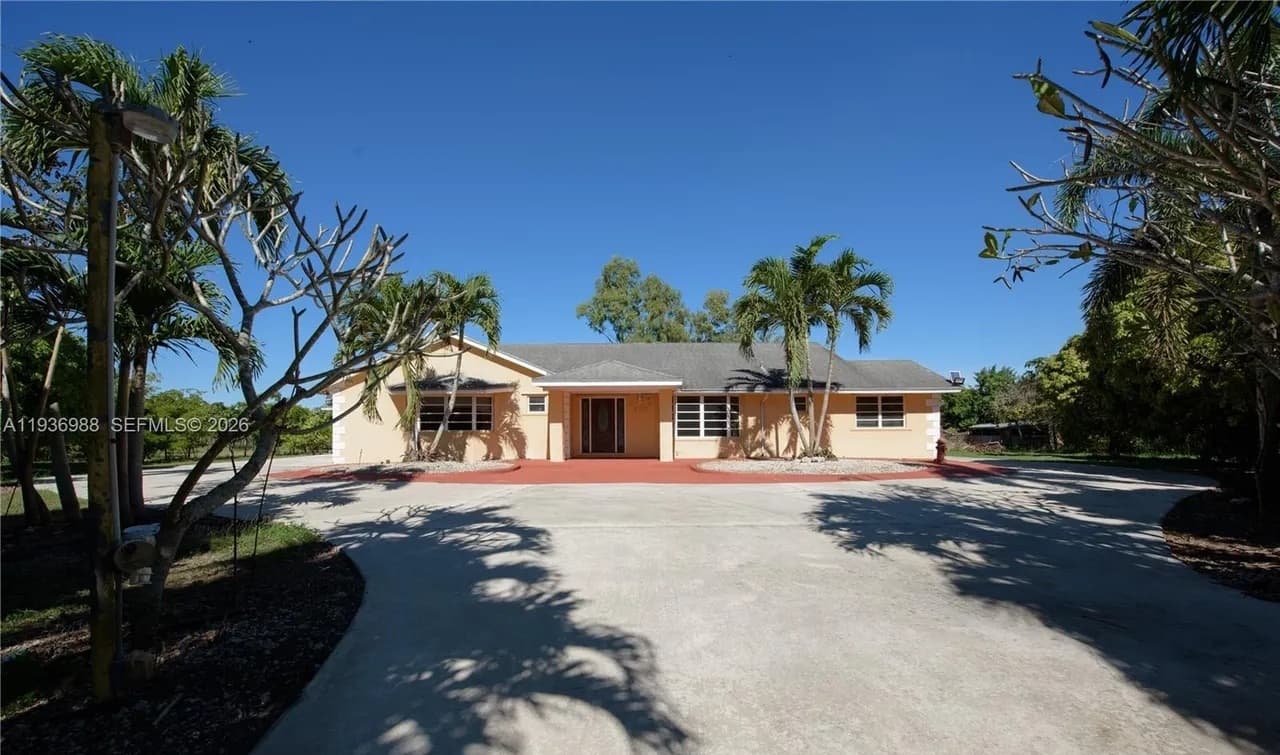

Austin, TX
The Austin-San Antonio corridor has long been one of Texas’s most dynamic real estate markets, but this fall brings a notably different landscape for homebuyers. After years of intense competition and soaring prices, the region is experiencing a recalibration that presents both opportunities and considerations for those looking to purchase property.
A Shift Toward Balance
The frenzy that characterized the Austin market during the pandemic years has given way to a more measured environment. Zillow September data reveals that Austin’s average home value sits at $497,815, representing a 6.8% decrease from the previous year. That marks a sharp change from recent years when annual price gains were often in the double-digits in many parts of the region. In the San Antonio area, home prices remain well below those in Austin, making it a relatively more accessible entry point — while still drawing from the same broad Texas economic tailwinds.
What’s particularly striking is the shift in market dynamics. Homes in Austin are now taking roughly 60–70 days (or more) from listing to pending contract in many cases — significantly longer than during the height of the bidding-war era.
SUBSCRIBE TO THE HAVEN MAILING LIST
Curated homes, market intelligence and design stories — a few emails a month.
No spam. Unsubscribe any time.
What This Means for Fall Buyers
For those considering a purchase this season, the environment offers distinct advantages. The increased inventory and longer market times create negotiating leverage that simply didn’t exist during the peak years. Buyers can take time to evaluate neighborhoods, conduct inspections, and make informed decisions without the fear of losing out to cash offers or waived contingencies.
Interest rates remain elevated compared to the lows of 2020-21, but many analysts expect them to hold broadly steady through late 2025, giving buyers more certainty around monthly payments. This stability allows for more predictable financial planning, though buyers should remain attentive to their individual financing scenarios.
Looking Ahead
The Austin-San Antonio market isn’t experiencing a crash—it’s maturing. The fundamentals that drew people to the region remain intact: strong job markets, no state income tax, and quality of life that continues to attract newcomers. What’s changed is the pace and the pressure. For buyers who felt shut out during the frenetic years, this fall represents a window to enter the market on more reasonable terms. The key is approaching the opportunity with clear priorities, realistic expectations, and an understanding that today’s more balanced market favors those who do their homework and move with intention rather than panic.