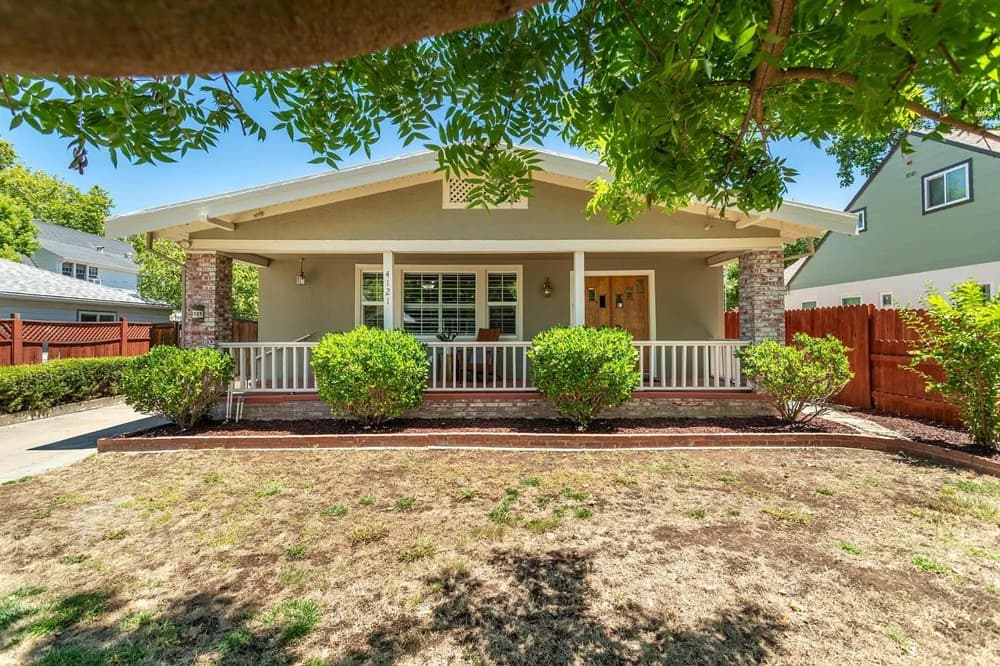


San Francisco, CA
Trying to live alone in a big city these days can feel impossible. With rent prices climbing faster than ever and the cost of just about everything else going up too, more people are turning to shared living as a smarter, more affordable option. And honestly, it makes a lot of sense. If you’re new to a city or just trying to make your paycheck go a bit further, living with roommates can help ease the financial burden, and it comes with some pretty great social perks, too.
Rising Costs and the Need for Creative Solutions
Let’s face it: living alone in cities like New York, San Francisco, or London is getting harder to afford. Rent continues to outpace wage growth, and the costs of utilities, transportation, and groceries show no signs of slowing. This is where shared housing steps in as a financial lifesaver.
Experts emphasize the cost advantages of splitting rent and utilities with housemates. Johnny Wolff of Homeroom puts it plainly: “With shared living, we can get up to 70% more in a single-family home, versus when it’s being rented by one person. So that extra revenue allows investors to make quite a bit more money.” That same model works for renters, too. When you share the cost of rent and utilities, you often end up living in a better neighborhood or a larger space than you could afford solo.
In fact, the rise in shared living is not a new trend, but a growing one. The percentage of young adults with roommates has more than doubled, going from 11% in the 1980s to 26% today. That’s a significant transition, driven in part by economic necessity and by changing attitudes toward how we live.
SUBSCRIBE TO THE HAVEN MAILING LIST
Curated homes, market intelligence and design stories — a few emails a month.
No spam. Unsubscribe any time.
More Than Just a Financial Strategy
While saving money is a major perk, there’s more to shared housing than splitting expenses. Shared living fosters community and combats the creeping loneliness that so many city dwellers experience. We live in a time when making genuine social connections can be tough, even when surrounded by millions of people. Roommates provide built-in companionship, daily interactions, and the kind of spontaneous social support that’s hard to come by when living alone.
Kirby Dunn, Executive Director of HomeShare Vermont, explains, “We’re social beings, and we’re really not meant to live alone.” This sentiment is echoed in the aging-in-community movement, where older adults are increasingly turning to shared housing as a way to remain independent, connected, and safe. Marianne Kilkenny, a leading voice in this space, points out that converging factors like demographics and health are boosting interest in shared housing for boomers.
And it’s not just older generations who benefit. For students, recent grads, young professionals, and remote workers, shared living creates a support network. From splitting the load of household chores to spontaneous movie nights, the shared experience can enhance your day-to-day life.
Shared Living Done Right
Of course, living with others isn’t always smooth sailing. That’s why platforms like SpareRoom have become invaluable. SpareRoom helps people find roommates and available rooms based on compatibility, lifestyle, and budget. Their approach is more than just matching people to spaces, as it creates a harmonious living arrangement where everyone feels at home.
Using SpareRoom, you can filter options by your personal preferences, whether you’re looking for a quiet home to focus on work or a lively space to meet new people. And if you’re a homeowner with a spare room, you can list your space and find a flatmate that matches your lifestyle. It’s a win-win situation that reflects the evolving way we think about home.
Reimagining What “Home” Looks Like
Shared living also challenges the traditional idea of what home should be. No longer confined to nuclear families or solo apartments, modern housing is becoming more flexible, inclusive, and community-driven. People are realizing that a home is defined by how you feel in it. Safety, comfort, support, and social connection are just as vital as affordability.
Living with others encourages compromise, communication, and cooperation. These soft skills translate to better interpersonal relationships, improved mental health, and even enhanced problem-solving abilities. In a world where loneliness has been called an epidemic, the benefits of sharing a home go far beyond the practical.
Who Is Shared Living For?
The beauty of shared living is that it doesn’t cater to just one demographic. If you’re a student navigating university life, a young professional moving to a new city, or someone looking to downsize and reconnect in mid-life, shared housing has a place for you.
Even families and older adults are exploring shared arrangements that break away from traditional living norms. Think of multi-generational homes, co-housing communities, or simply a spare room rented out to a responsible lodger. It’s all part of a bigger transition toward flexibility and intentionality in how we live.
Final Thoughts
In a time when cities are becoming increasingly expensive, shared living offers a meaningful and practical alternative. It allows people to stretch their budgets, live in better locations, and connect with others daily.
Whether you’re looking to move in with friends, find a like-minded roommate, or make use of that spare bedroom, shared housing just makes sense. And with platforms like SpareRoom leading the charge, finding your perfect living situation is easier than ever.