
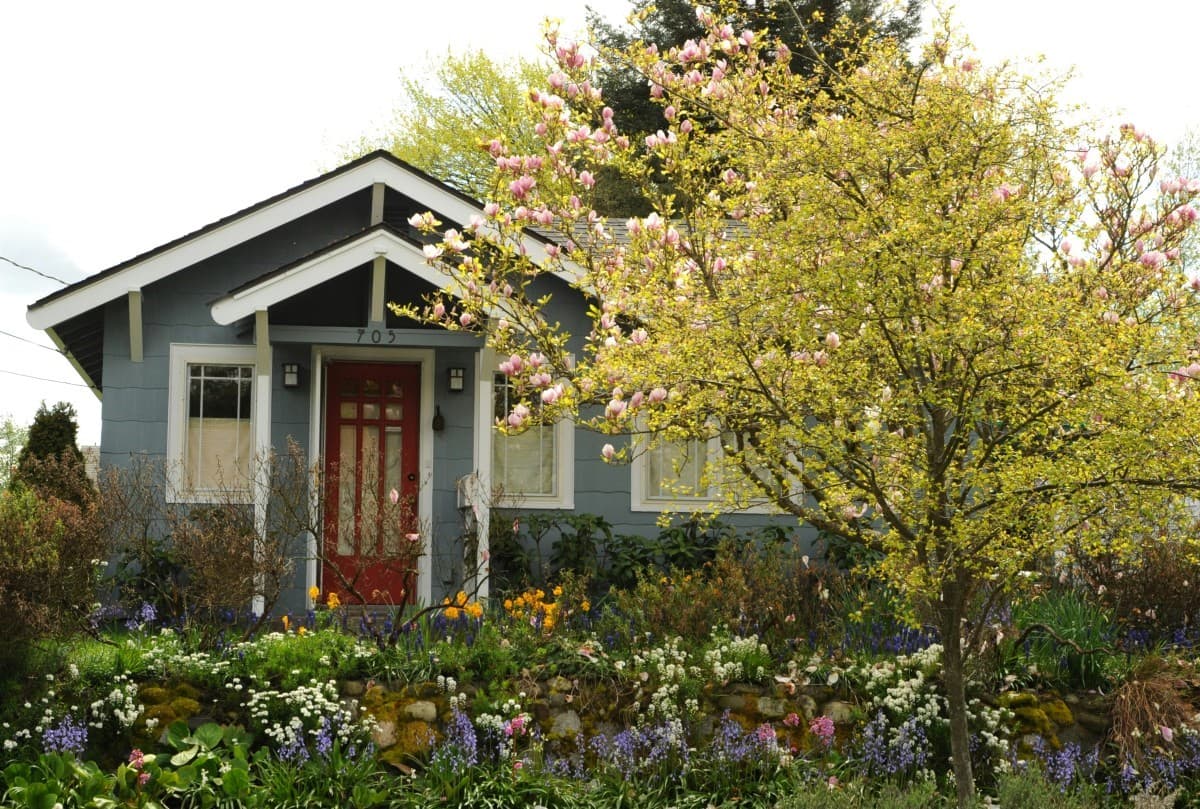
University District, Seattle, WA
Seattle’s housing landscape this year is being shaped less by one-size-fits-all momentum and more by neighborhood-by-neighborhood nuance—walkability, transit access, and day-to-day amenities. Across the city, these places stand out for buyers and investors.
Ballard
Ballard remains a consistent contender for buyers who want a neighborhood that feels active and self-sustaining, with a scenic waterfront setting and a strong local business scene. Ongoing reinvestment—from renovations to newer residential projects—has also helped Ballard stay competitive as preferences tilt toward walkable, amenity-rich neighborhoods.
SUBSCRIBE TO THE HAVEN MAILING LIST
Curated homes, market intelligence and design stories — a few emails a month.
No spam. Unsubscribe any time.

Capitol Hill
Capitol Hill is a neighborhood where art, nightlife, and dining are part of the everyday. For buyers prioritizing an urban lifestyle, it remains one of Seattle’s clearest fits—high walkability, abundant restaurants and cafes, and close proximity to major employment nodes. Even as it’s long-established, Capitol Hill still refreshes itself through renovations and new residential additions, which keeps the housing stock evolving and maintains demand among younger professionals and city-forward households.
Northgate
Northgate’s profile has strengthened as the area’s development and connectivity story has matured. For 2026, its draw is the combination many buyers are actively hunting: access to transit and shopping/dining convenience, paired with housing that can feel more attainable than Seattle’s most expensive cores. Newer mixed-use activity has helped shift Northgate from an “in-between” area to a neighborhood with a clearer center of gravity. For first-time buyers and households balancing space needs with commuting logic, Northgate often enters the conversation as a practical step into the Seattle market.
University District
The University District continues to function as one of Seattle’s most reliable demand engines, anchored by the University of Washington and supported by a strong renter base. That underlying stability makes it relevant to both investors and owner-occupants who want a neighborhood with consistent activity and long-term resilience. The area’s walkability, variety of restaurants, and events keep it lively year-round. Ongoing development and modernization across pockets of the neighborhood have also helped keep the District competitive beyond its traditional student core.
Green Lake
Green Lake remains a standout for buyers who measure value in lifestyle as much as location, convenient to downtown Seattle while maintaining a residential and community-oriented atmosphere. Its lake loop and surrounding parks create a built-in quality-of-life advantage. For households prioritizing outdoor access without feeling removed from Seattle’s core, it continues to present a compelling option.
What’s Shaping These Markets in 2026
Across these neighborhoods, the common thread isn’t hype—it’s specificity. Buyers are rewarding areas that deliver a clear lifestyle proposition: true walkability, transit and commuting options, and access to parks and water, and thriving commercial corridors.. In many cases, demand is also being shaped by housing stock: neighborhoods where renovations, infill, and new development have meaningfully expanded choice tend to feel more dynamic, while areas with tighter inventory often hold their competitive edge through scarcity.












