

San Diego, CA
Southern California’s competitive real estate market has created a unique landscape where certain home features command premium prices and generate intense buyer interest. Understanding these rare features can help both buyers identify exceptional properties and current homeowners make strategic improvements that significantly boost their investment potential.
1. Private Outdoor Spaces with Mature Landscaping
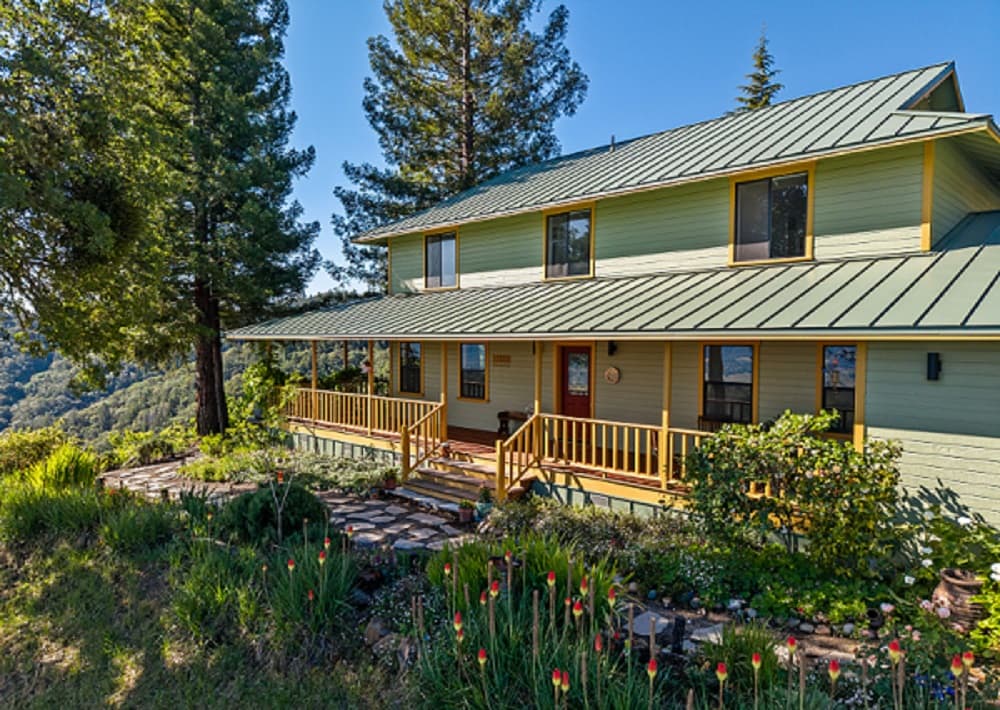
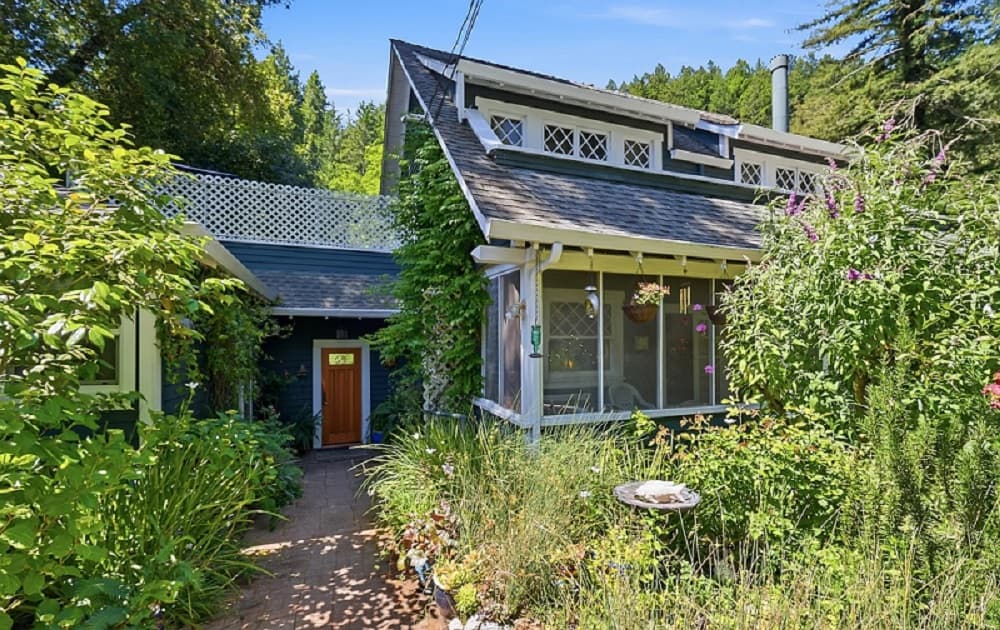
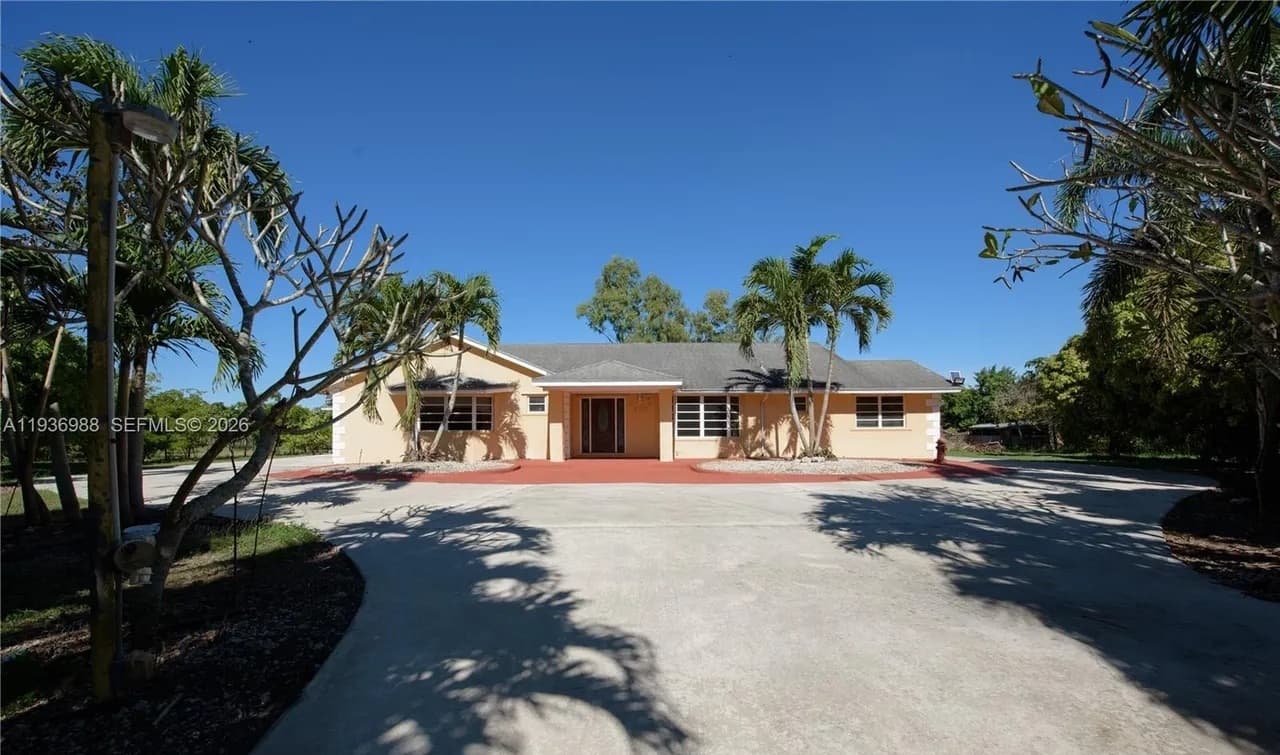
In a region where outdoor living defines the lifestyle, truly private outdoor spaces with established landscaping have become increasingly rare and valuable. Most Southern California homes feature basic patios or small yards, but properties with secluded gardens, mature trees, and thoughtfully designed outdoor rooms command higher prices. The scarcity stems from rapid development patterns that prioritized maximizing square footage over preserving existing vegetation and creating intimate outdoor environments.
The desirability of these spaces extends beyond mere aesthetics. Mature trees provide natural cooling, reducing energy costs in the region’s warm climate, while established landscaping creates immediate privacy and ambiance that cannot be replicated quickly. Homes with heritage oak trees, established citrus groves, or mature palm clusters can sell for hundreds of thousands above comparable homes with standard landscaping, depending on the property and neighborhood.
Homeowners can implement this feature by investing in strategic tree planting, focusing on fast-growing species like California sycamores or coast live oaks that will mature within a decade. Creating layered landscaping with shrubs, perennials, and climbing vines can establish privacy more quickly while waiting for trees to mature. Installing hardscaping elements like stone walls, pergolas, and water features can immediately define outdoor rooms and create the sense of established elegance that buyers seek.
SUBSCRIBE TO THE HAVEN MAILING LIST
Curated homes, market intelligence and design stories — a few emails a month.
No spam. Unsubscribe any time.
2. Authentic Architectural Details and Original Character Elements
Southern California’s building boom of recent decades has produced countless homes with generic finishes and mass-produced details, making properties with authentic architectural character increasingly precious. Original hardwood floors, hand-carved moldings, vintage tile work, and period-appropriate fixtures from the region’s Spanish Colonial Revival, Craftsman, or Mid-Century Modern eras have become rare treasures that sophisticated buyers actively seek.
The rarity of these features results from decades of renovations that prioritized contemporary trends over historical preservation. Many original details were removed or covered during updates, while new construction rarely incorporates the craftsmanship and materials that defined earlier architectural periods. Many experts note that only a fraction of homes built before 1960 retain their original character-defining details.
These authentic elements command premium prices because they cannot be easily replicated with modern manufacturing methods. Hand-forged hardware, old-growth wood millwork, and artisan-crafted tile represent levels of craftsmanship that would be prohibitively expensive to recreate today. Properties that have preserved these details often sell for 20% to 40% above comparable homes with standard finishes.
Homeowners can enhance their properties by sourcing period-appropriate materials from architectural salvage companies, which are particularly abundant in Southern California due to ongoing renovations of historic properties. Installing reclaimed hardwood floors, vintage light fixtures, or reproduction hardware that matches the home’s architectural period can significantly increase both character and value. Working with craftspeople who specialize in traditional techniques can help create authentic-looking details that enhance the home’s architectural integrity.
3. Climate-Controlled Wine Storage and Entertaining Spaces
Southern California’s wine culture and entertaining lifestyle have created strong demand for sophisticated wine storage solutions, yet most homes lack proper climate-controlled facilities for wine collections. The region’s temperature fluctuations and dry conditions make basement storage impractical in most areas, while standard closet conversions fail to provide the consistent temperature and humidity control that serious wine collectors require.
The scarcity of proper wine storage stems from the technical complexity and cost of installing climate-controlled systems in existing homes. Most properties were not designed with wine storage in mind, making retrofitting expensive and challenging. Additionally, many homeowners underestimate the space and infrastructure requirements for proper wine cellars, leading to inadequate solutions that fail to protect valuable collections.
Properties with professionally designed wine cellars or climate- controlled storage rooms appeal strongly to buyers who view wine collecting as both a passion and an investment. These spaces often feature temperature and humidity monitoring systems, proper insulation, and display elements that showcase collections while maintaining optimal storage conditions. Such installations can add notable premiums—sometimes in the tens or even hundreds of thousands—depending on size and design.
Homeowners can implement wine storage solutions by converting underutilized spaces like closets, pantries, or garage areas into climate-controlled wine rooms. Modern wine cooling systems can be installed in spaces as small as fifty square feet, while larger installations can incorporate tasting areas and entertaining spaces. The key is working with specialists who understand both the technical requirements for wine preservation and the design elements that create appealing spaces for entertaining guests.
4. Multi-Generational Living Suites with Separate Entrances
The growing trend toward multi-generational living has created intense demand for homes with self-contained living suites, yet most Southern California properties lack the separate entrances, kitchenettes, and privacy features that make these arrangements successful. While many homes have additional bedrooms or converted spaces, true multi-generational suites with independent access and full amenities remain remarkably scarce in the region’s housing stock.
This scarcity reflects the historical preference for nuclear family housing designs that dominated Southern California development. While California has recently eased regulations to encourage accessory dwelling units (ADUs), most older homes were not designed to accommodate separate entrances or fully self-contained suites. Retrofitting existing homes with independent utilities and private access remains complex and costly, keeping supply limited.
The desirability of multi-generational suites has intensified due to changing demographics and economic factors. Aging parents, adult children facing housing costs, and cultural preferences for extended family living have all contributed to demand for homes that can accommodate multiple generations comfortably. Properties with well-designed in-law suites often receive multiple offers and sell quickly, even in slower market conditions.
Homeowners can create multi-generational living spaces by converting existing areas like basements, garages, or large bedrooms into self-contained suites. The key elements include separate entrances, basic kitchen facilities, private bathrooms, and adequate sound insulation between living areas. Working with architects who understand local zoning requirements and accessibility standards can help ensure that conversions meet both legal requirements and practical needs for multi-generational living.
5. Smart Home Integration with Energy Independence Features
While basic smart home technology has become commonplace, comprehensive integration with energy independence features remains rare and highly sought after in Southern California homes. Most properties have scattered smart devices, but few offer the seamless integration of solar power, battery storage, electric vehicle charging, and whole-home automation systems that create true energy independence and operational efficiency.
While adoption of solar panels and EV charging stations has accelerated in Southern California, comprehensive integration of these systems with whole-home automation remains relatively uncommon. The complexity and cost of retrofitting existing homes with fully coordinated technology infrastructure keeps such setups rare, with many properties still relying on piecemeal solutions. Additionally, the rapid evolution of smart home technology means that many early installations have become outdated or incompatible with newer systems.
Energy independence features have become particularly valuable following recent power outages and rising utility costs in Southern California. Homes with solar panels, battery backup systems, and smart energy management can operate independently during outages while significantly reducing monthly utility expenses.
Homeowners can implement smart home integration by starting with energy independence features like solar panels and battery storage, then adding smart thermostats, lighting controls, and security systems that can be managed through unified platforms. Working with certified installers who understand both the technical requirements and available incentive programs can help maximize both functionality and cost-effectiveness. The key is planning for future expansion and ensuring that all systems can communicate effectively to create a truly integrated smart home environment.
Maximizing Investment Potential Through Strategic Feature Implementation
The scarcity of these five features in Southern California’s housing market creates exceptional opportunities for homeowners willing to invest in strategic improvements. Properties that successfully incorporate multiple rare features often command significant premiums and attract competitive bidding situations that can result in sales well above asking prices. The key to maximizing investment potential lies in understanding which features align best with the specific property type, neighborhood characteristics, and target buyer demographics.