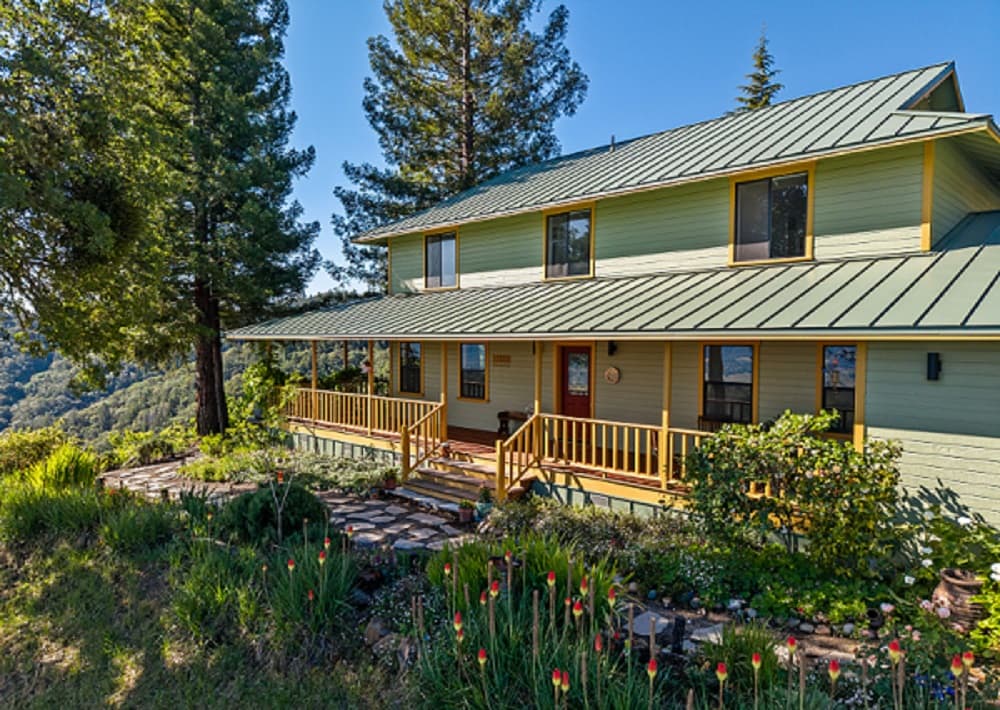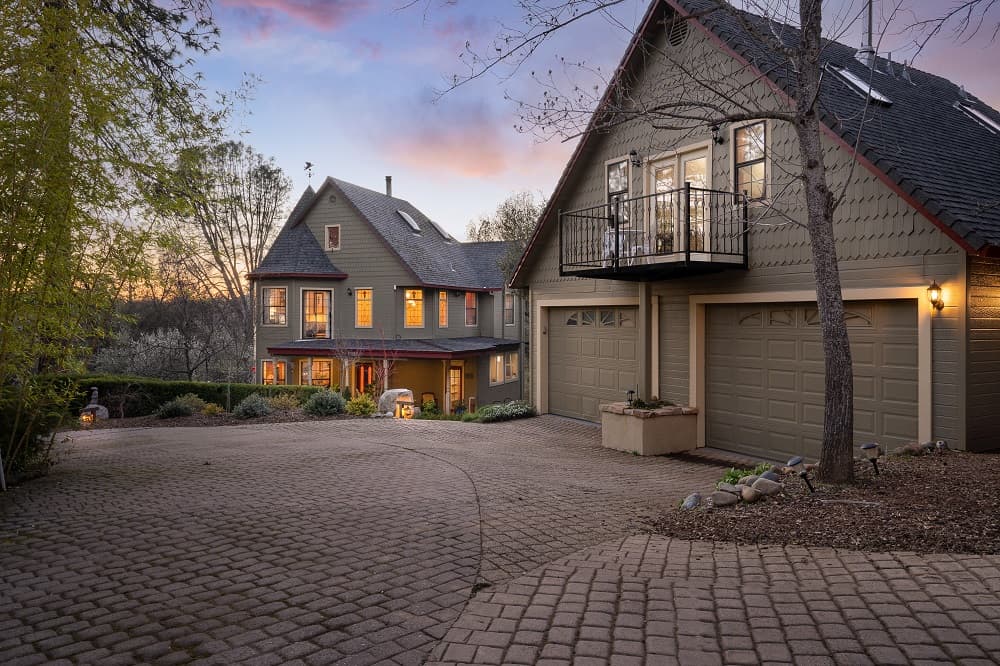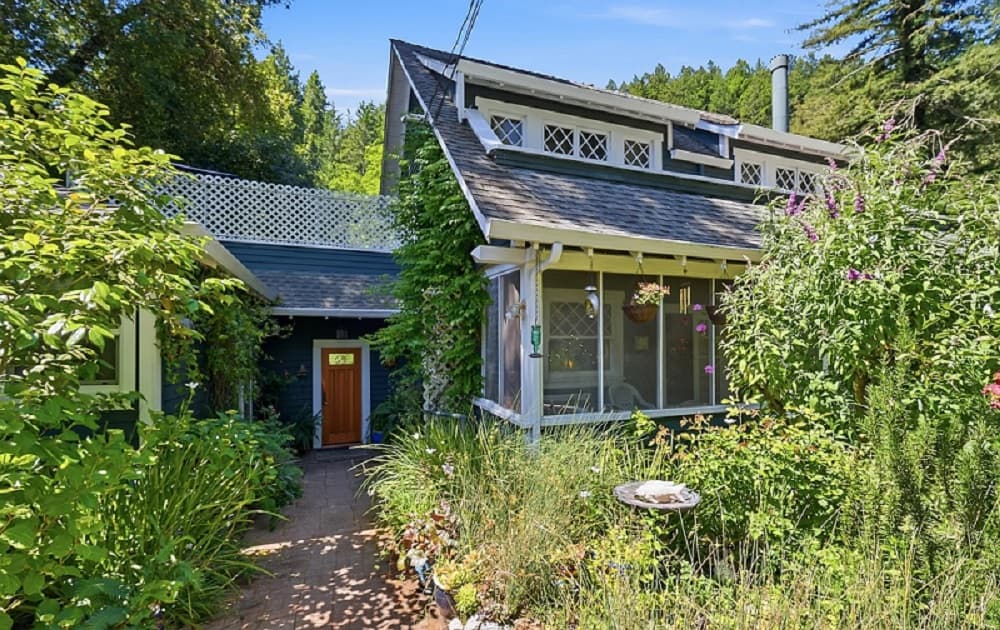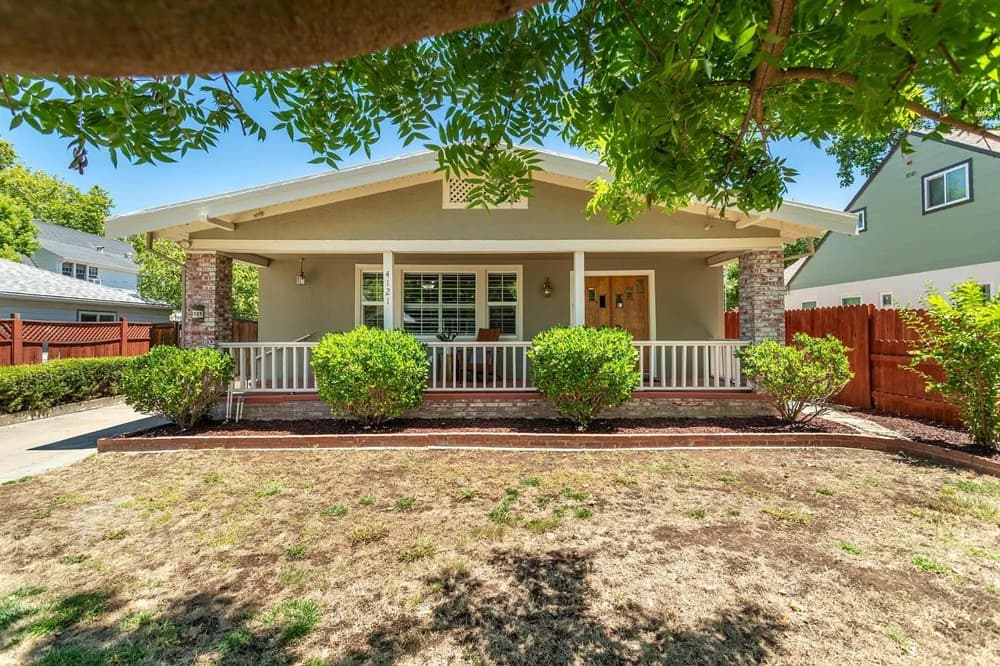
Pflugerville, TX
In 2026, the Austin-area housing conversation feels less like a sprint and more like a sorting process: buyers have more room to compare commute, lifestyle, and long-term value—and to choose a suburb that fits real life day to day. We’ve compiled five standout Austin-area suburbs for 2026—each offering a distinct blend of livability, access, and long-term value, depending on whether your priority is schools, space, the lake lifestyle, newer inventory, or an easier commute.
Round Rock
Round Rock is not simply “north Austin”—it’s one of the region’s most self-sustaining nodes, anchored by major employers and a downtown core that feels genuinely lived-in. On the pricing side, Zillow’s December data puts Round Rock’s average home value at $405,513, down 5.3% over the past year, with homes going pending in about 91 days—more breathing room than the frenzied cycles, without losing the area’s fundamentals.
SUBSCRIBE TO THE HAVEN MAILING LIST
Curated homes, market intelligence and design stories — a few emails a month.
No spam. Unsubscribe any time.


Cedar Park
Cedar Park earns its place in 2026 because it’s “turnkey suburban living” in the best sense: established infrastructure, family-forward amenities, and a day-to-day rhythm that doesn’t require constant trips into Austin to feel entertained. Zillow’s December data places Cedar Park’s average home value at $463,623, down 5.6% over the past year—still a step up in pricing, but with the kind of market reset that lets buyers be choosier about street, layout, and lot. It’s the suburb for buyers who want a northwest address and an already-built lifestyle—parks, schools, and big-event energy.
Lakeway
Lakeway is the clearest lifestyle premium of the group, and in 2026 that distinction matters even more. When buyers pay extra now, they tend to do it for a specific daily life—lake air, views, weekends that start on the water and end on a patio—rather than for pure status. Zillow’s December data pegs Lakeway’s average home value at $714,248, down 4.8% over the past year, which keeps it firmly in the upscale tier while suggesting slightly more negotiating room than peak-cycle conditions. In other words: still a retreat, but one where the market is giving buyers more time to be intentional.
Pflugerville
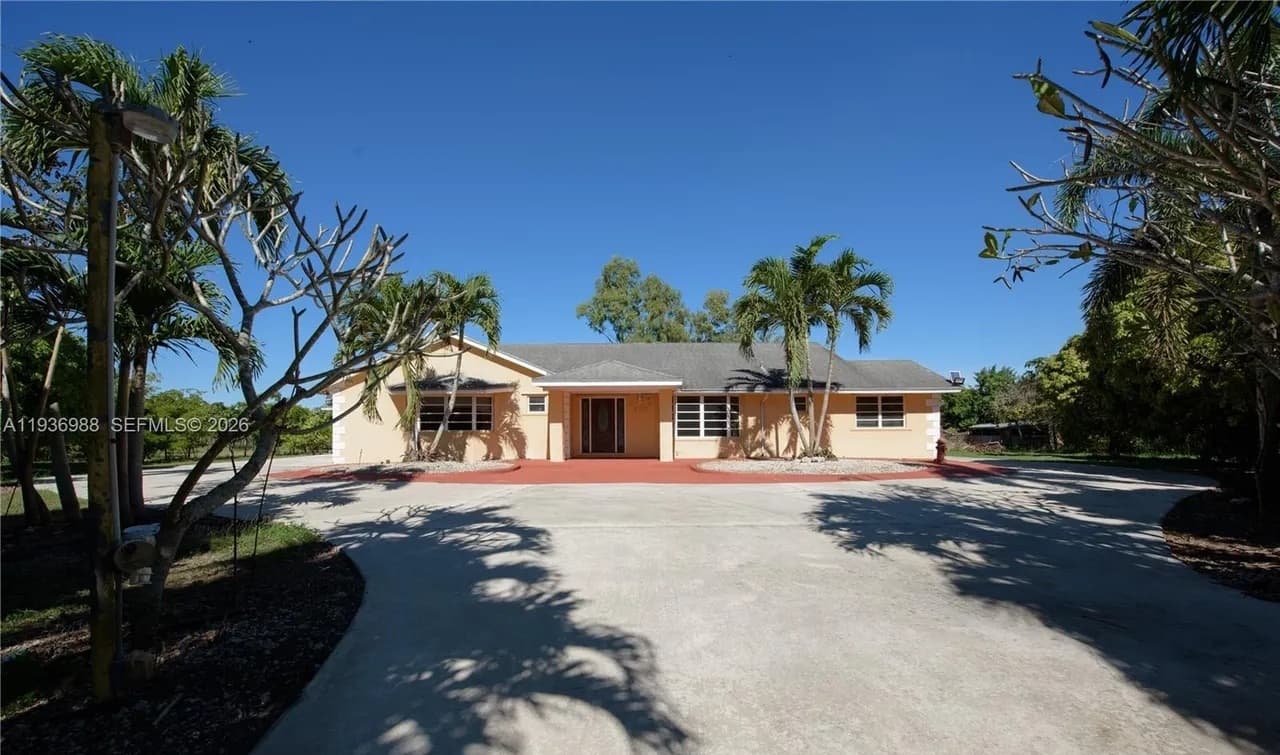
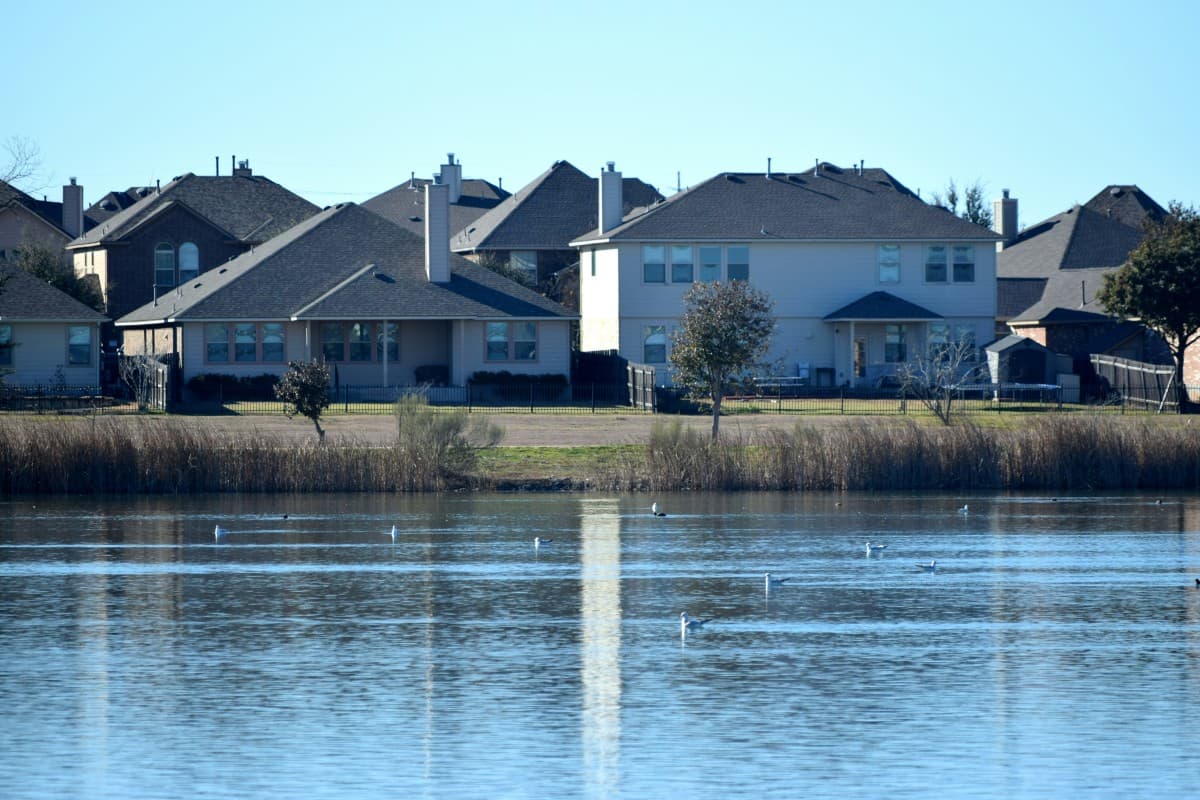
Pflugerville’s 2026 relevance is straightforward: newer housing stock and a price point that often feels more achievable than the northwest corridor, especially for buyers who want modern floor plans without moving too far from Austin’s orbit. Zillow’s December data lists Pflugerville’s average home value at $369,503, down 7.0% over the past year, with homes going pending in around 73 days—an appealing combination for first-time buyers, move-up families, and anyone trying to optimize space and value. In a year when choice is back on the table, Pflugerville is where a lot of buyers can finally stop compromising on square footage.
Leander
Leander rounds out the list because it pairs suburban growth with something the metro increasingly craves: commute optionality. CapMetro’s Rail Red Line is designed to connect downtown Austin to North Austin and up to Leander, offering an alternative to full-time car commuting for certain schedules and destinations. Zillow’s December data places Leander’s average home value at $424,812, down 5.8% over the past year, with homes going pending in about 86 days—competitive, but not frantic. In 2026, that combination—space, newer neighborhoods, and at least one credible transit option—lands with buyers who are tired of treating traffic as a lifestyle tax.