Paso Robles, CA
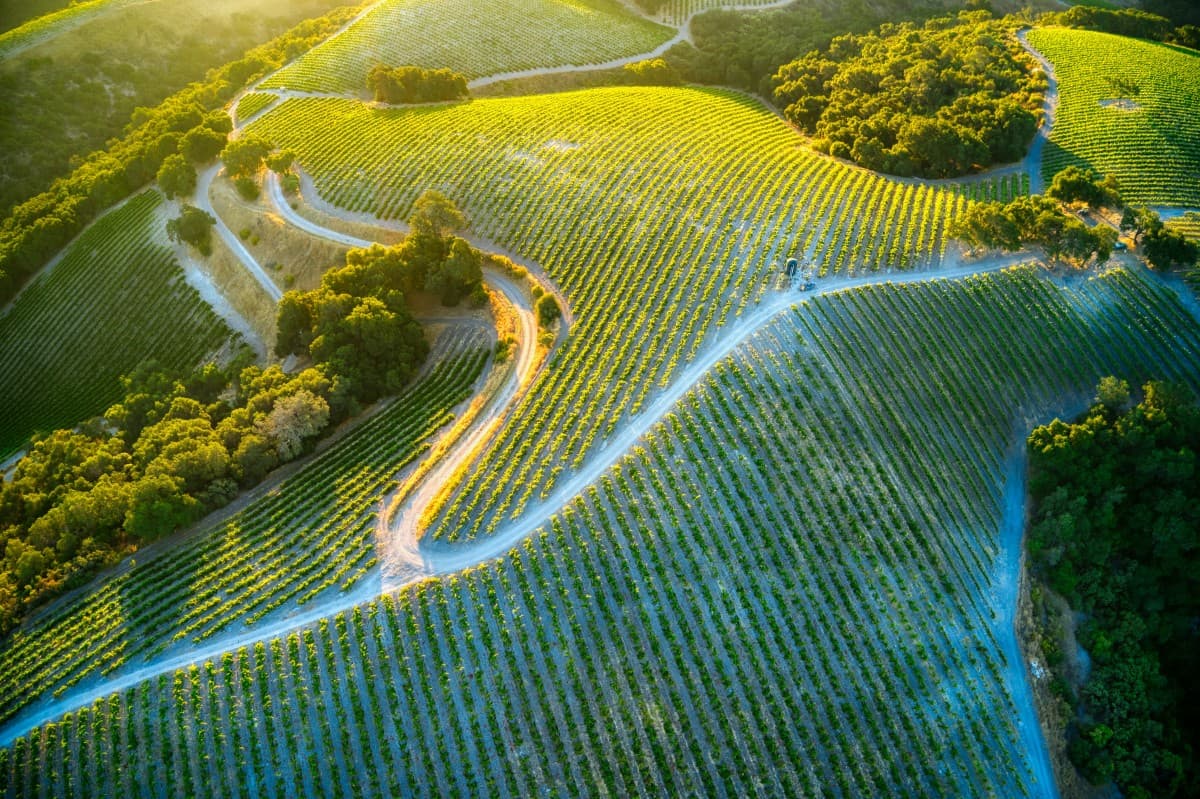
California’s 2026 winegrape harvest is moving well ahead of the typical schedule in many areas, according to Ciatti’s September California report. The pace is not identical everywhere: in Paso Robles, Tablas Creek reported in mid-September that some varieties were ripening unusually early while others were following a more typical timeline.
Beyond Napa, the wine country experience changes considerably from one region to the next, from the ranchland surrounding Paso Robles to the redwood-covered slopes of the Santa Cruz Mountains and the fog-cooled vineyards of Anderson Valley. The towns, real estate, and landscapes differ as much as the grapes grown there.
Paso Robles
More than 200 wineries operate across the Paso Robles region, with vineyards spreading east and west of downtown through rolling hills, ranchland, and olive country. The appellation stretches roughly 35 miles east to west and 25 miles north to south, with rolling hills east of the Salinas River and steeper terrain toward the Santa Lucia Range to the west.
October is designated Harvest Wine Month throughout Paso Robles Wine Country, with vineyard tours, dinners, tastings, and other winery events scheduled across the region.
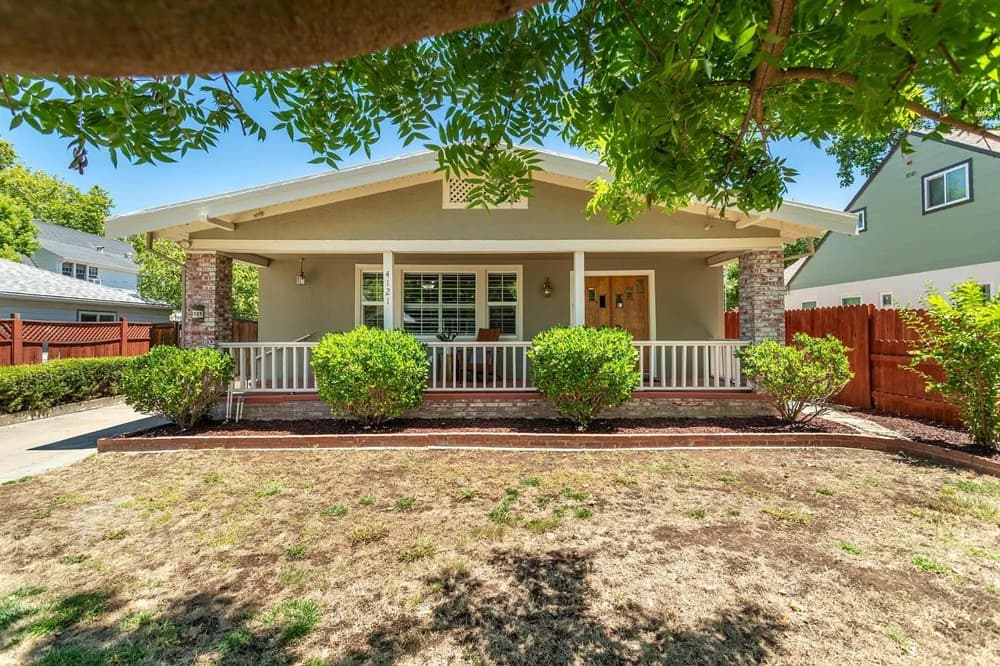
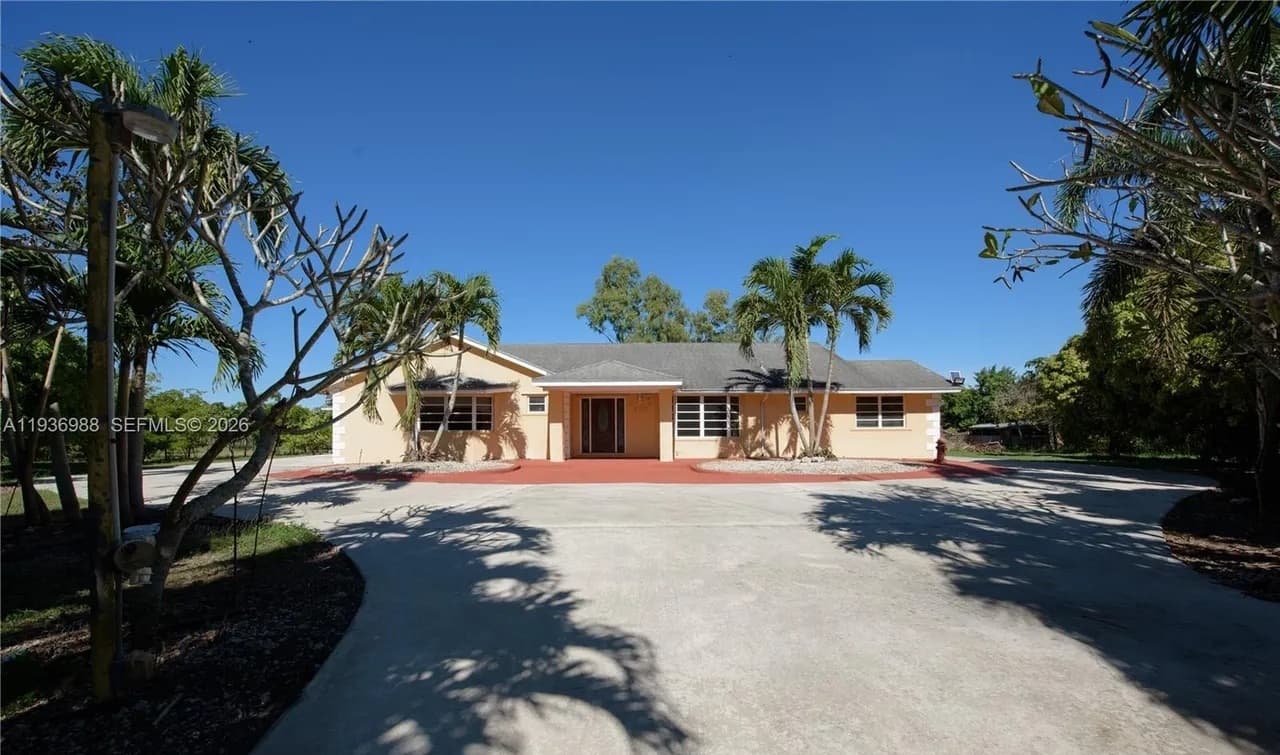
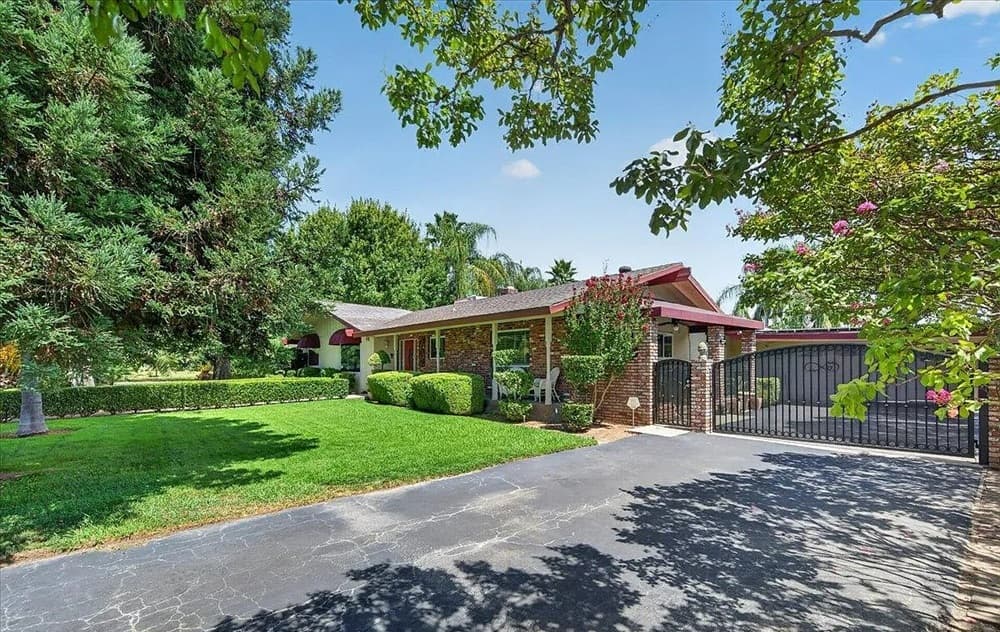
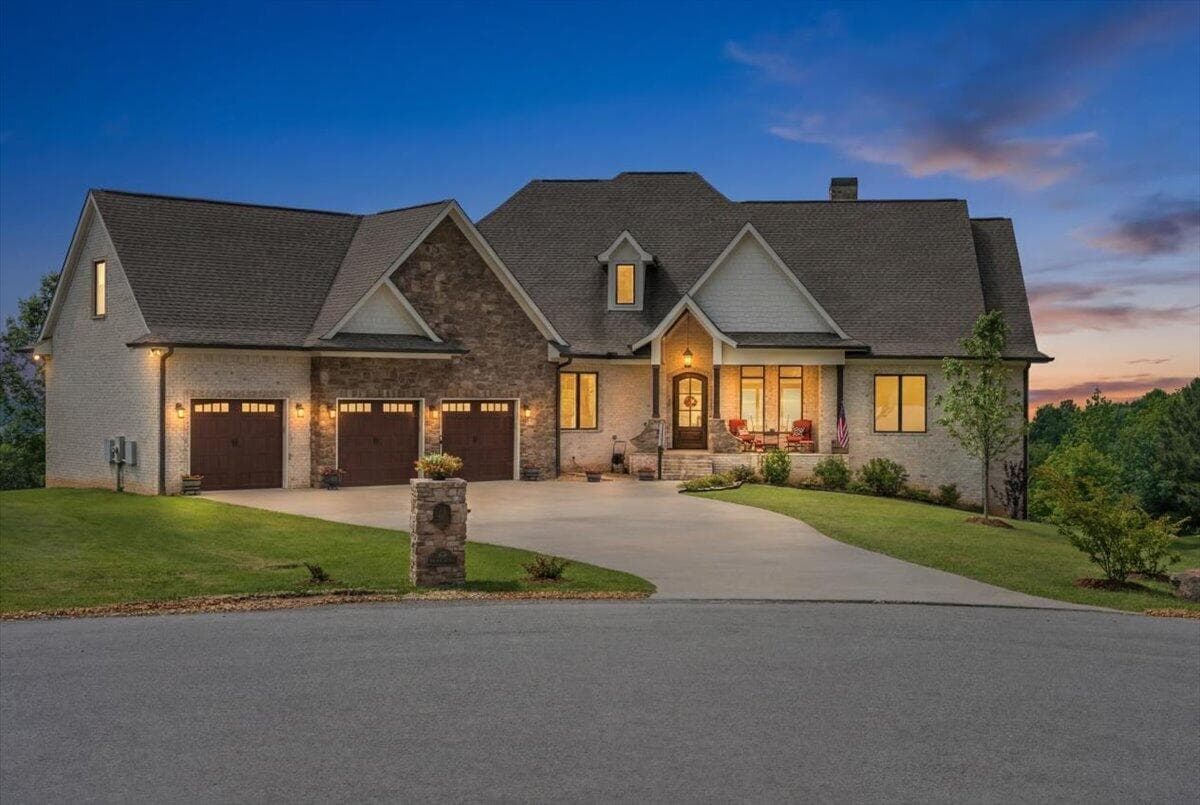
Beyond downtown, the residential landscape opens into larger parcels, ranches, vineyard properties, and homes among oak-covered hills. The Santa Lucia Range separates that inland landscape from Cambria, Cayucos, and the Pacific Ocean, adding a subtle coastal element.
SUBSCRIBE TO THE HAVEN MAILING LIST
Curated homes, market intelligence and design stories — a few emails a month.
No spam. Unsubscribe any time.
Santa Ynez Valley
The Santa Ynez Valley is organized around six communities: Solvang, Santa Ynez, Los Olivos, Los Alamos, Buellton, and Ballard. They sit close together but are not interchangeable, with compact downtowns giving way quickly to vineyards, horse properties, and open ranchland.
The climate shifts noticeably across the valley. The valley runs east to west, with cooler conditions farther west and progressively warmer temperatures inland. Pinot Noir performs in the cooler western reaches, while Cabernet Sauvignon, Merlot, and Rhône varieties are grown farther east.
Taste of the Santa Ynez Valley runs October 1–4, with tastings, dinners, and special events taking place across all six communities.
For residents, the distinctions among those towns can matter as much as the larger wine region. Los Olivos concentrates much of its wine and dining scene around the town center, while Santa Ynez and Ballard extend more quickly into ranches, vineyards, and larger rural properties. The region allows residents to feel closely connected to its wine culture without living directly among vineyard rows.
Carmel Valley
Carmel Valley is considerably smaller as a wine-growing region. The appellation covers more than 19,000 acres, but only about 300 are planted to grapes. Vineyards are concentrated primarily in Carmel Valley and Cachagua Valley, with warmer conditions farther inland supporting Cabernet Sauvignon, Merlot, and other Bordeaux varieties.
Wine is part of the valley rather than the only reason for it. Tasting rooms cluster in Carmel Valley Village, while ranches, hillside homes, and larger rural properties extend farther into the valley.
Carmel-by-the-Sea and Monterey sit west of the wine-growing areas, so the valley combines a warmer inland landscape with relatively close proximity to the coast. For someone considering living here, that relationship between inland space and the Monterey Peninsula is at least as defining as the vineyards themselves.
Santa Cruz Mountains
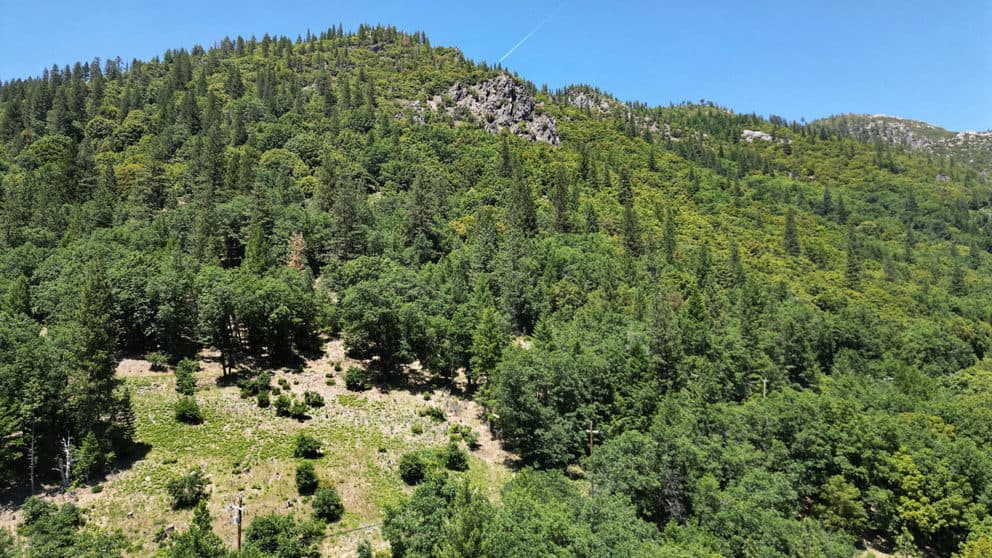
The Santa Cruz Mountains wine region spans nearly half a million acres between Silicon Valley and the ocean, with steep vineyard sites interspersed with redwood and oak forest. Rather than one central wine town, wineries and tasting rooms are distributed across a broad mountain landscape.
One event to know is the Santa Cruz Mountains Wine Passport Celebration Day, returning October 17 with participating wineries throughout the appellation.
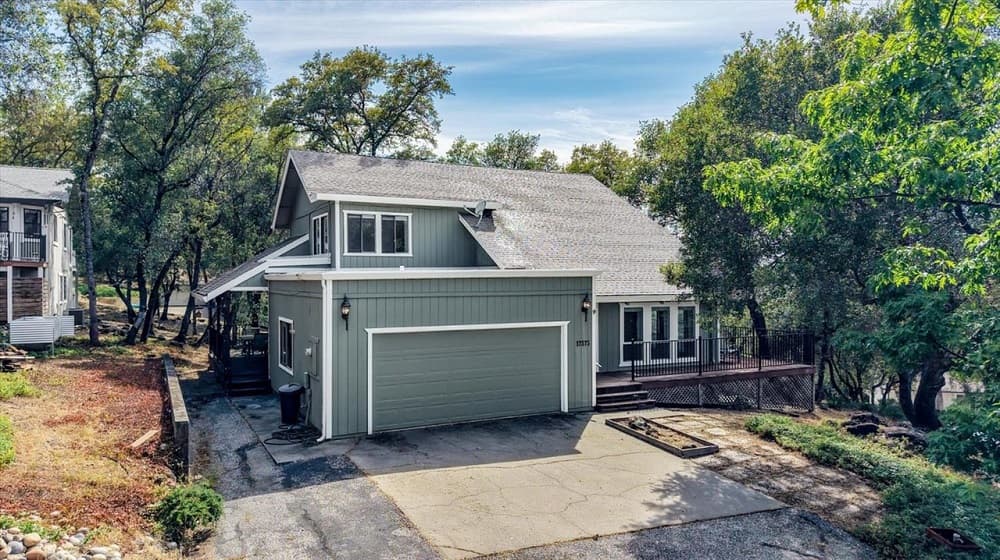
Wooded mountain homes, ridge properties, small communities, and vineyard parcels are scattered across the range, with Silicon Valley on one side and the coast on the other. Roads and topography can make neighboring places feel farther apart than the map suggests.
Anderson Valley
Farther north, Anderson Valley is narrower, cooler, and more remote. Daily ocean fog helps shape a region where Pinot Noir and Chardonnay lead plantings, alongside Gewürztraminer, Pinot Gris, and Riesling.
Boonville, Philo, and Navarro form the small communities along Highway 128, with vineyards occupying the valley floor and lower slopes. Continue west, and the road passes through redwood forest before reaching the Mendocino coast.
Homes and vineyard properties are dotted throughout a rural valley where small towns provide the local centers, while the coast remains close enough to influence climate and daily life without functioning as a conventional suburb or neighboring city.
The Anderson Valley Winegrowers Association lists almost 100 vineyards planted on 2,457 acres. It is a substantial wine region, but one built from comparatively small vineyard holdings rather than vast continuous acreage.
Wine Country Beyond the Tasting Room
These five regions may share harvest season, but their relationship with wine, real estate, and the surrounding landscape varies considerably. Fall makes those distinctions especially visible as harvest activity puts the agricultural side of each region in view.