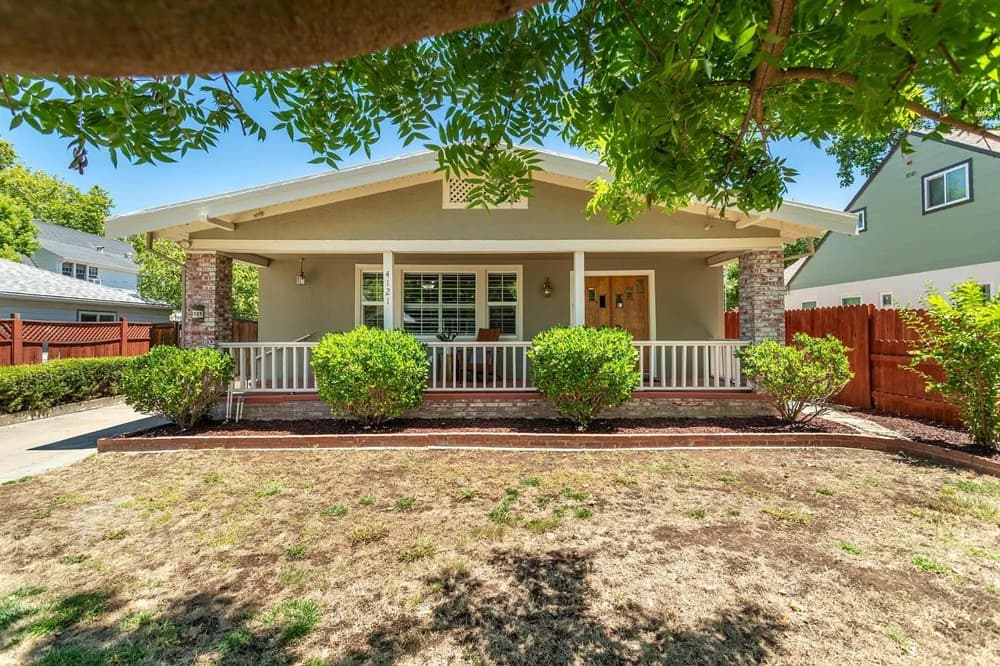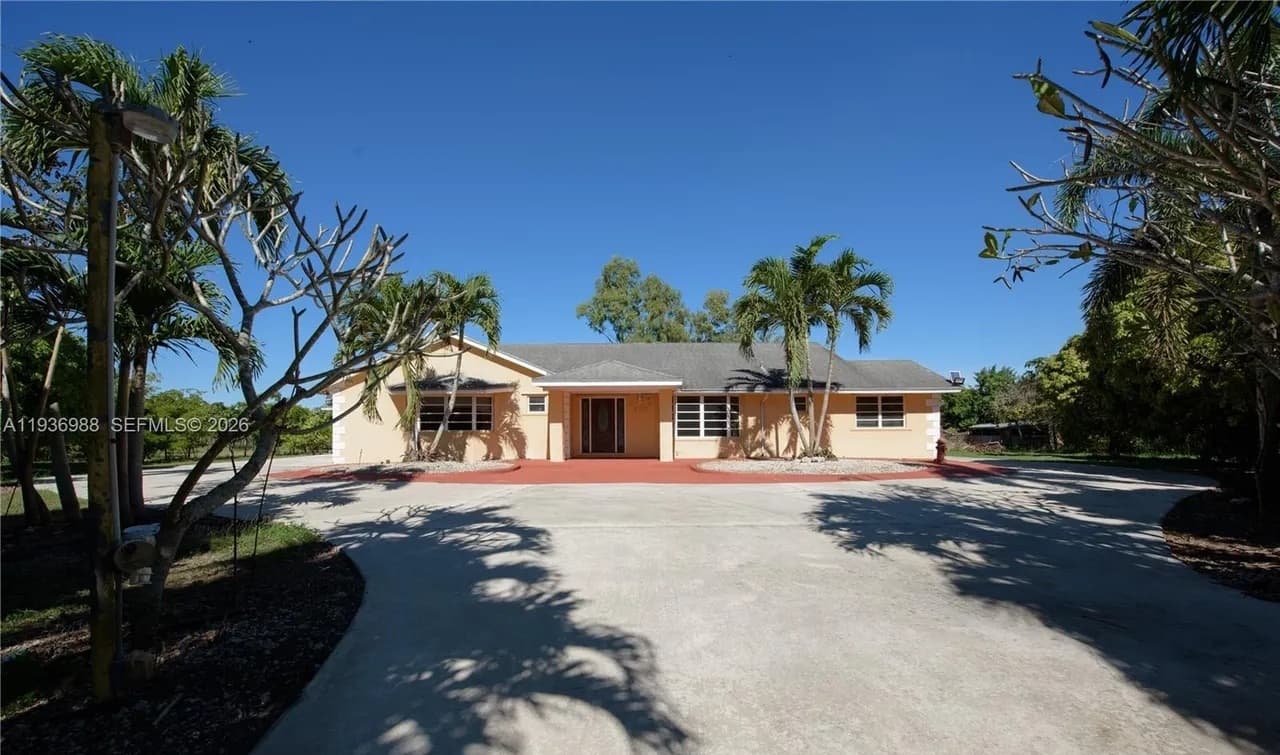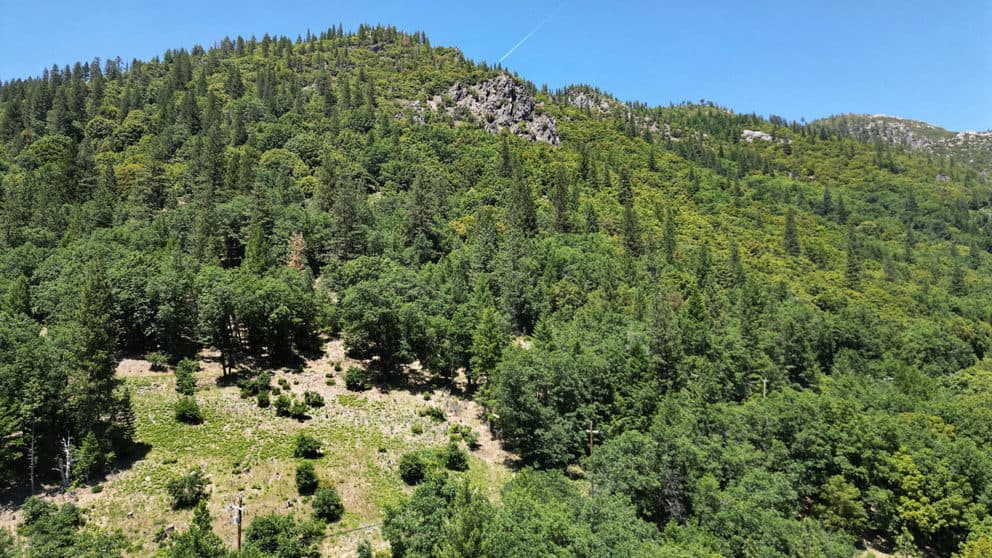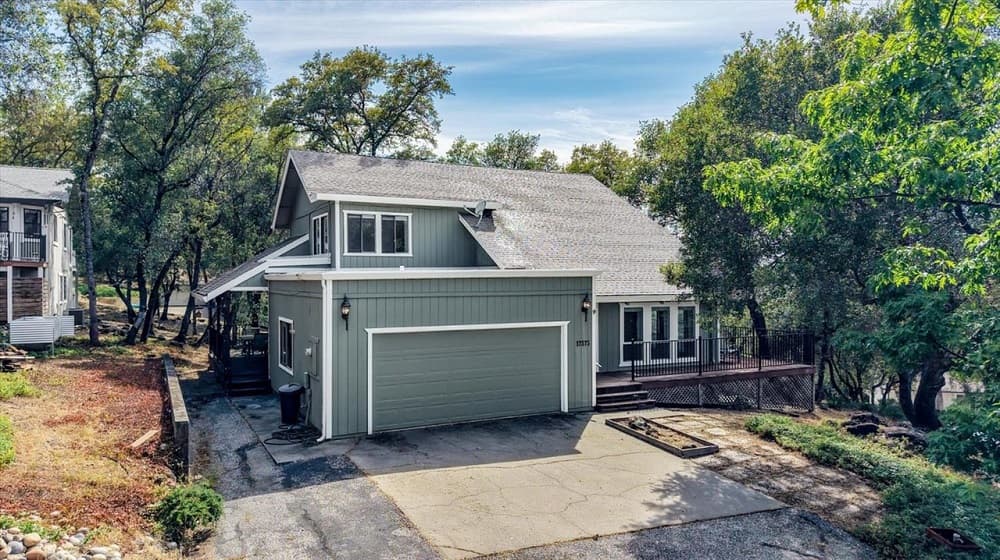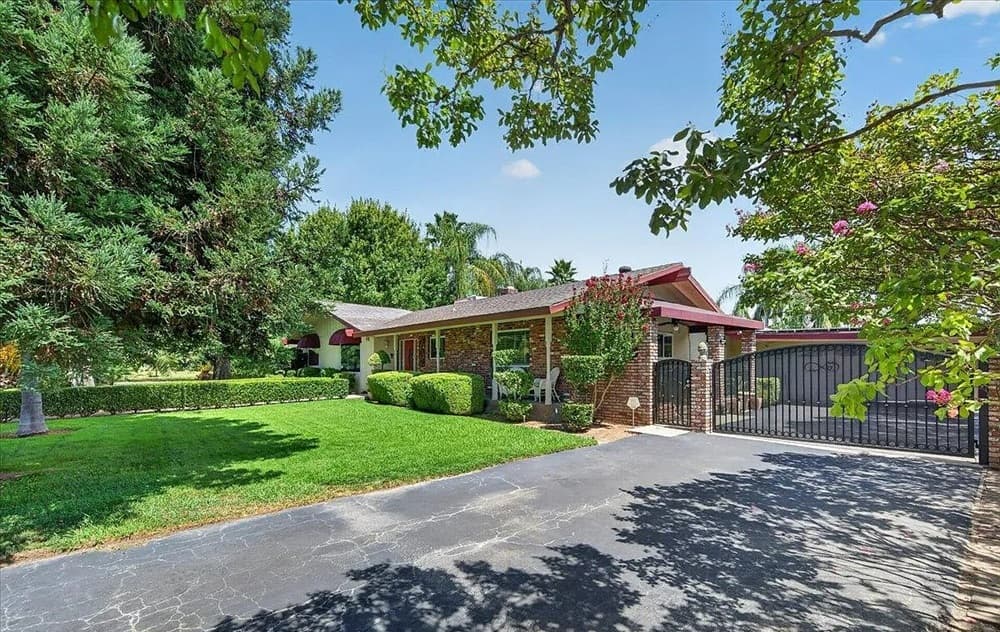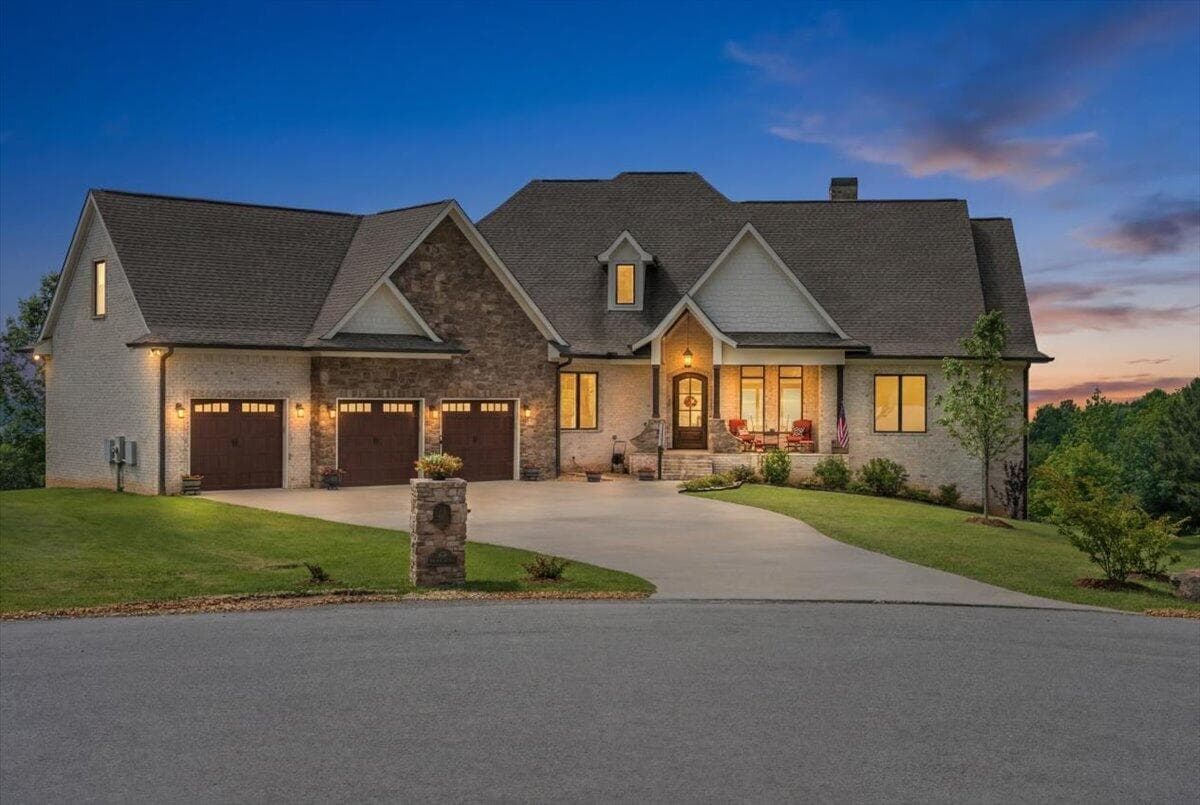
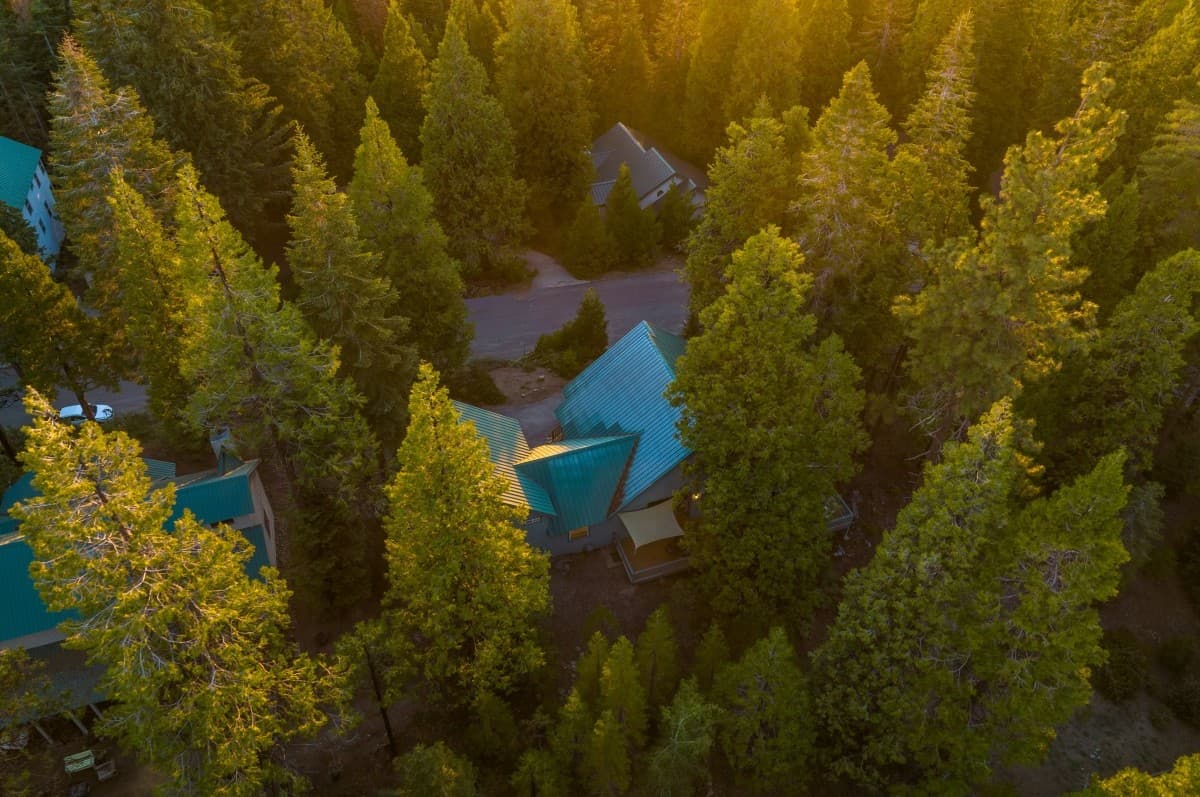
For many California homes, before buyers ask about ceiling height or the kitchen’s appliance package, they want to know whether the property can be insured, what the defensible-space plan looks like, and whether the home has been prepared—on paper—for the realities of wildfire country.
From the Sierra foothills and North State basecamp towns to inland Central Coast corridors and the Sacramento region’s edge markets—wildfire readiness has become a priority for prospective buyers. While a beautiful property remains desirable, this factor is gaining prominence, reshaping how homes are evaluated, how deals move (or stall), and how “luxury” is defined.
Part of this shift is insurance—availability, terms, and the growing insistence on mitigation. National reporting has described how major insurers have limited new business and, in some cases, issued nonrenewals in parts of California. This tightens the path to coverage in higher-risk areas and, for some homeowners, leaves the FAIR Plan—the state’s insurer of last resort—as the available option. According to the California Department of Insurance, lawmakers introduced the Make It FAIR Act in February to enact reforms to the FAIR Plan. In practical terms, insurance is no longer a post-offer administrative step; it can be a gating item that determines whether a deal is even viable.
For buyers—especially those financing—this has made “preparedness” a form of liquidity. A home that can be confidently underwritten closes with less friction. A home that can’t often invites delays, renegotiations, or a buyer who simply walks away. Sellers are responding accordingly, and so are agents: wildfire readiness is increasingly being presented with the same seriousness once reserved for architecture pedigree, remodel receipts, or a designer’s name.
The result is a new kind of premium. In these markets, peace of mind has become an amenity—one that can be built, landscaped, and documented.
Fire-Smart Design as a Luxury Language
Luxury design in wildfire-prone California is becoming more intentional. A Class A roof—long a best-practice recommendation in fire zones—now reads like a quality choice rather than a safety concession, especially when executed in architectural materials that suit the home’s style. Ember-resistant detailing around vents, eaves, and gutters is often invisible from the driveway, but it is increasingly part of what sophisticated buyers want to know exists.
Material palettes have shifted in the same direction. Stone, metal, and fiber-cement finishes have become more common, in part because they can be more ignition-resistant than traditional wood exteriors. Many decks and railings may now be specified in composites and metals that align with a contemporary aesthetic while better matching fire-hardening goals, rather than wood. The most successful homes have cleaner lines, fewer vulnerable edges, and refined, practical exterior choices.
And in this version of luxury, the most impressive feature may be administrative: a homeowner who can hand over a clear file of improvements and maintenance history. In many transactions, documentation has become a kind of quiet power. It speeds up insurance conversations, supports lender requirements, and shows stewardship.
SUBSCRIBE TO THE HAVEN MAILING LIST
Curated homes, market intelligence and design stories — a few emails a month.
No spam. Unsubscribe any time.
Defensible Space as Landscape Design
If wildfire preparedness once conjured images of bare earth and drastic clearing, the emerging reality—particularly at the high end—is more nuanced. According to CAL FIRE’s guidance, defensible space is organized into zones, including the first five feet closest to the structure, often referred to as Zone 0, which CAL FIRE describes as the most important area to keep ember-resistant. From there, the approach expands outward through additional zones that focus on reducing fuels and maintaining vegetation in ways that slow fire spread. This framework has given designers and homeowners a clearer template—and, for many luxury properties, it has become a new kind of landscape discipline.
The best examples showcase crisp hardscape bands in gravel or stone and curated planting choices at the immediate perimeter. Farther out, trees are limbed up for airflow and views, and understory is managed so the landscape isn’t too dense.. Outdoor living areas—terraces, patios, paths—often create beautiful “rooms” outside while breaking up fuels in a way that aligns with defensible-space principles. Done well, the result feels resort-grade, not risk-averse.
Regional Expression, Same New Standard
What preparedness looks like varies by setting, and the strongest properties tend to reflect their local landscape.
In the Sierra foothills and higher-elevation corridors, the challenges are often density, slope, and access. Here, thinning and limbing can actually open sightlines, improve light, and reveal the terrain’s natural drama. Driveway clearance and access considerations can be integrated with stonework, grading, and native planting so the arrival feels gracious rather than utilitarian.
On the Central Coast’s inland edges, defensible space often blends naturally with a drought-aware, native-forward landscape style. Gravel paths, stone terraces, and low-water planting schemes can feel authentic to the region while supporting a more fire-conscious perimeter. In these settings, “preparedness” can reinforce the design vernacular.
In North State basecamp towns and surrounding foothills, larger parcels and outbuildings bring a systems mindset. Luxury here often means the whole property is designed as an integrated compound—home, guest structures, and land management working together. Preparedness isn’t limited to the main residence; it extends to access routes, perimeter strategy, and the way the property is maintained over time.
The Future of California Luxury
California’s inland luxury market is not abandoning what has always made it desirable: setting, privacy, craftsmanship, and indoor-outdoor living. But the definition of “best” has expanded. This year, the homes that feel most compelling are those that are not only beautiful, but insurable, defensible, and legible to an underwriter and a buyer who has learned to ask different questions.
In that sense, wildfire readiness can be a form of sophistication. The smartest upgrades are often the ones you don’t notice at first glance—the roof that performs, the perimeter that reads designed rather than “cleared,” the records that turn a stressful insurance call into a straightforward conversation. In other words, these upgrades help create homes that can endure and allow their owners to live well in landscapes they still deeply want—without carrying quite as much uncertainty along with the view.